

Complete Guide to Stretching for Adults Over 40

Over 50 percent of adults notice a drop in flexibility after turning 40. Stiffness sneaks up, joints creak, and familiar movements seem tougher than they used to be. As your body changes, finding safe and effective ways to keep moving well becomes crucial. Whether you want to stay active, avoid injury, or simply feel less tight each morning, the right stretching routine can help you protect your independence and feel your best.
Table of Contents
- Defining Stretching for Adults Over 40
- Main Types of Stretching Explained
- Major Health Benefits of Stretching
- Age-Related Changes and Stretching Needs
- Safe Stretching: Techniques and Precautions
- Common Mistakes and How to Avoid Them
Key Takeaways
| Point | Details |
|---|---|
| Importance of Stretching | Stretching is crucial for adults over 40 to maintain mobility, flexibility, and prevent age-related stiffness. It serves as a vital strategy for overall wellness and functional movement. |
| Types of Stretching | Key techniques include static, dynamic, and PNF stretching, with each offering specific benefits for flexibility and injury prevention. A tailored approach can optimize results based on individual needs. |
| Health Benefits | Regular stretching improves posture, blood circulation, and overall physical function, significantly reducing the risk of injury and chronic pain in older adults. |
| Safety Practices | To ensure safe stretching, warm up properly, avoid pushing through pain, and perform stretches with controlled movements. Consistent practices support long-term flexibility and mobility. |
Defining Stretching for Adults Over 40
Stretching is more than a simple physical activity for adults over 40 - it’s a strategic approach to maintaining body mobility, flexibility, and overall wellness. According to ndsu, stretching fundamentally involves elongating muscles to improve flexibility and range of motion, which becomes increasingly critical as we age.
For adults in their 40s and beyond, stretching represents a targeted intervention to preserve physical function.
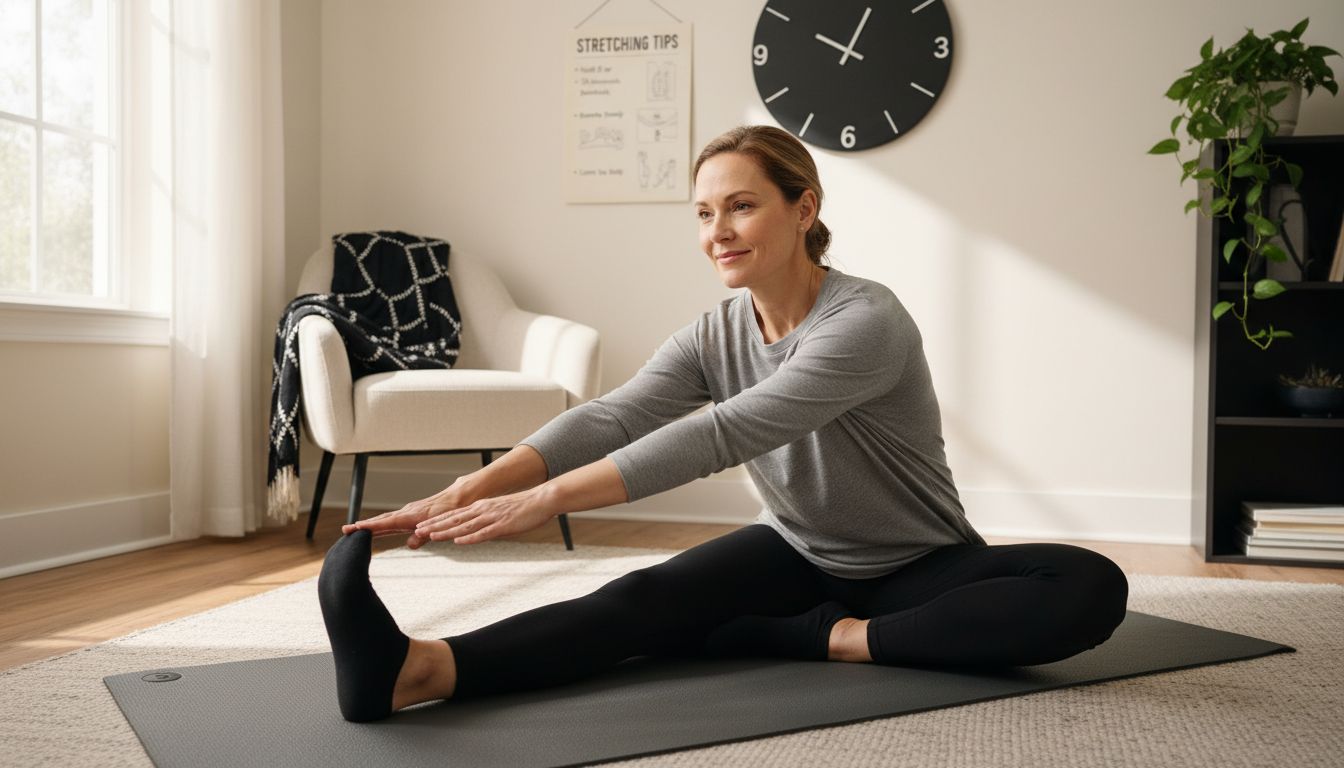 Nationwide Children’s highlights that stretching is a key component of fitness that specifically enhances muscle flexibility and joint health, helping individuals maintain functional movement patterns.
The core objectives of stretching for mature adults include:
- Maintaining muscle elasticity
- Preventing age-related stiffness
- Reducing injury risk during physical activities
- Improving overall range of motion
- Supporting joint health and mobility
While younger individuals might stretch primarily for athletic performance, adults over 40 use stretching as a comprehensive wellness strategy. It’s not just about touching your toes - it’s about creating a sustainable physical foundation that supports an active, independent lifestyle. Before beginning any stretching routine, consulting with a healthcare professional can help personalize an approach that matches your specific physical condition and wellness goals.
For more insights into maintaining mobility as you age, check out our guide to mobility exercises.
Main Types of Stretching Explained
Stretching is a nuanced practice with multiple approaches, each designed to achieve specific fitness and wellness goals. According to MIT, the primary types of stretching include static, dynamic, ballistic, active, passive, isometric, and PNF (Proprioceptive Neuromuscular Facilitation) stretching, each serving unique purposes in flexibility training.
Advance research emphasizes three primary stretching techniques that are particularly relevant for adults over 40: dynamic, static, and PNF stretching. These methods offer targeted benefits for maintaining muscle flexibility and reducing injury risk.
Here’s a breakdown of key stretching types:
- Static Stretching: Holding a stretch in one position for 15-30 seconds
- Dynamic Stretching: Active movements that mimic exercise motions
- Passive Stretching: Using external assistance like a strap or partner
- PNF Stretching: Advanced technique involving muscle contraction and relaxation
- Active Stretching: Using muscle strength to hold a stretch position
Choosing the right stretching technique depends on your fitness level, physical condition, and specific wellness goals. For adults over 40, a combination of these methods can help maintain flexibility, prevent injury, and support overall physical function. Always listen to your body and consider consulting a fitness professional to develop a personalized stretching routine that matches your individual needs.
Interested in preventing workout injuries? Check out our guide to preventing injury for adults over 40.
Major Health Benefits of Stretching
Harvard Health reveals that regular stretching is far more than a simple warmup routine - it’s a critical component of maintaining overall health and wellness, especially for adults over 40. By improving flexibility and mobility, stretching acts as a powerful preventative strategy against potential injuries and physical decline.
According to NDSU, consistent stretching routines offer multiple comprehensive health advantages. These include alleviating muscle tension, improving posture, and enhancing blood circulation - all crucial elements for maintaining physical function as we age.
Key health benefits of stretching include:
- Reducing muscle stiffness and joint discomfort
- Improving overall body alignment and posture
- Increasing range of motion
- Enhancing blood flow and circulation
- Decreasing risk of age-related mobility limitations
- Supporting better physical performance
- Helping prevent potential workout-related injuries
For adults over 40, stretching isn’t just about staying limber - it’s about creating a sustainable approach to physical wellness. By incorporating regular stretching, you’re investing in your body’s long-term functionality, reducing the likelihood of chronic pain, and maintaining independence in daily activities.
Want to learn more about maintaining mobility as you age? Check out our guide to mobility exercises for Canadians over 40.
Age-Related Changes and Stretching Needs
NDSU highlights a critical reality for adults over 40: as we age, our muscles and joints naturally lose elasticity, making regular stretching not just beneficial, but essential. This gradual decline in physical flexibility means that what worked in our 20s and 30s requires a more strategic and intentional approach in our 40s and beyond.
Nationwide Children’s research underscores the physiological changes that make stretching increasingly important with age. Decreased muscle elasticity and joint mobility can significantly impact our functional movement, potentially limiting everyday activities if not proactively addressed.
Key age-related changes affecting stretching needs include:
- Reduced muscle flexibility
- Decreased joint range of motion
- Slower muscle recovery times
- Increased risk of muscle and tendon injuries
- Higher likelihood of experiencing muscle stiffness
- Reduced overall muscle elasticity
- More pronounced impact of sedentary lifestyles
Understanding these changes isn’t about limitation - it’s about adaptation. By recognizing how our bodies evolve, we can develop targeted stretching strategies that maintain mobility, prevent injury, and support an active lifestyle. The goal is not to fight aging, but to move intelligently and sustainably as we grow older.
Interested in learning more about maintaining mobility throughout the aging process? Check out our guide on the role of mobility in aging.
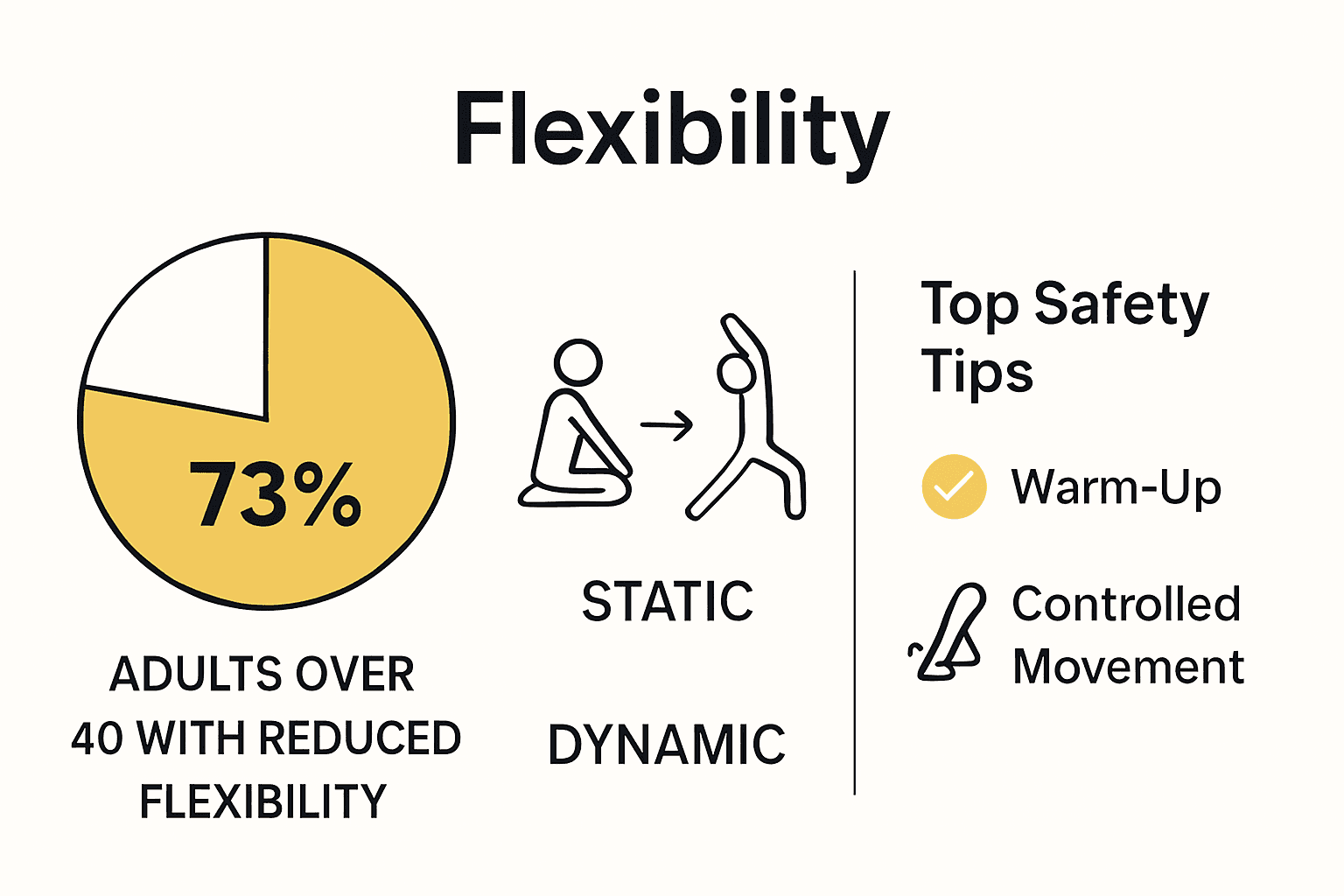
Safe Stretching: Techniques and Precautions
NDSU provides critical guidance for safe stretching, emphasizing that adults over 40 must approach flexibility training with careful consideration. The fundamental rule is clear: never stretch to the point of pain. Stretching should feel like a gentle, controlled movement that gradually increases flexibility without causing discomfort or potential injury.
Nationwide Children’s research highlights the importance of proper warm-up and methodical stretching techniques. For adults over 40, this means taking extra time to prepare muscles and performing stretches with deliberate, slow movements that respect the body’s changing physical capabilities.
Key safety techniques for stretching include:
- Warm up muscles before stretching
- Hold stretches for 10-30 seconds
- Avoid bouncing or jerking movements
- Breathe steadily and deeply during stretches
- Listen to your body and stop if you feel pain
- Start with gentle, low-intensity stretches
- Gradually increase stretch duration and intensity
- Focus on major muscle groups
- Maintain proper body alignment
The goal of stretching at 40 and beyond is not to achieve extreme flexibility, but to maintain functional movement and prevent injury. Consistency, patience, and a mindful approach are your best tools for creating a safe, effective stretching routine that supports your body’s changing needs.
For more detailed insights into workout recovery and injury prevention, explore our guide to natural workout recovery for 40+.
Common Mistakes and How to Avoid Them
NDSU exposes critical stretching mistakes that adults over 40 must carefully avoid. The most common errors often stem from enthusiasm and a lack of understanding about how our bodies change with age. Bouncing during stretches, overstretching, and neglecting proper warm-up can transform a well-intentioned flexibility routine into a potential injury risk.
Nationwide Children’s research highlights another crucial aspect of safe stretching: the importance of breathing and muscle preparation. Holding your breath during stretches and attempting to stretch cold muscles are dangerous practices that can significantly increase the risk of muscle strain or injury.
Common stretching mistakes to avoid include:
- Bouncing or jerking during stretches
- Stretching without a proper warm-up
- Pushing through pain or discomfort
- Holding your breath instead of breathing steadily
- Stretching too aggressively or quickly
- Neglecting to stretch both sides of the body equally
- Ignoring proper body alignment
- Stretching when muscles are cold
- Comparing your flexibility to younger individuals
Understanding these mistakes is about more than avoiding injury - it’s about creating a sustainable, effective stretching practice that respects your body’s current capabilities. Age is not a limitation, but a signal to approach physical activity with more wisdom, patience, and self-awareness.
For a comprehensive approach to preventing workout-related injuries, explore our guide to natural workout recovery for 40+.
Stay Flexible and Strong with the Right Support for Adults Over 40
Feeling the frustration of reduced mobility and muscle stiffness as you age is common, but you do not have to accept it as your norm. The article highlights key challenges like decreased muscle elasticity, slower recovery, and the need for safe, effective stretching techniques. You deserve products that help you maintain your flexibility, prevent injury, and support your active lifestyle with ease and confidence.

Explore our curated selection of wellness essentials at Real Healthy Haven. From comfortable activewear designed to move with you to health monitors that track your progress and therapeutic supplies tailored for muscle recovery, we have what you need to build a safe stretching routine. Act now to invest in your long-term health and discover how simple changes can make a lasting difference. Take the first step towards better mobility today by visiting our website to find personalized wellness solutions that respect your pace and goals.
Frequently Asked Questions
What are the benefits of stretching for adults over 40?
Stretching offers numerous benefits for adults over 40, including improved flexibility, enhanced blood circulation, reduced muscle stiffness, better posture, and decreased risk of injury during physical activities. Regular stretching helps maintain overall mobility and support an active lifestyle.
How often should adults over 40 stretch?
Adults over 40 should aim to incorporate stretching into their routine at least 2-3 times a week. It’s essential to listen to your body and adjust the frequency and intensity based on individual needs and fitness levels.
What are the main types of stretching suitable for individuals over 40?
The primary types of stretching suitable for adults over 40 include static stretching, which involves holding a stretch for 15-30 seconds, dynamic stretching that encompasses active movements, and Proprioceptive Neuromuscular Facilitation (PNF) stretching that couples stretching with muscle contractions. Each method can contribute to improved flexibility and reduced injury risk.
What precautions should be taken when stretching over 40?
When stretching, adults over 40 should warm up their muscles first, avoid bouncing or jerking movements, hold stretches for 10-30 seconds, and breathe steadily. It is also crucial to listen to your body and stop if any pain occurs, starting with gentle stretches to prevent injury.
Leave a comment