

The Essential Guide to Yoga Over 40

Over 35 percent of adults over 40 report increased stiffness and joint pain as they age. This stage of life often brings new physical and mental challenges that demand more than a quick fix or fad workout. Yoga offers a proven way to improve mobility, reduce stress, and support long-term health in mature bodies. In this guide, discover how the right yoga approach can help you feel stronger, more flexible, and mentally clear well beyond your forties.
Table of Contents
- Yoga Over 40: Definition And Core Benefits
- Types Of Yoga Ideal For Mature Adults
- Key Adaptations For Aging Bodies
- Safety Guidelines And Common Mistakes
- Integrating Yoga With Wellness Goals
Key Takeaways
| Point | Details |
|---|---|
| Holistic Benefits of Yoga | Yoga enhances physical, mental, and emotional wellness, particularly for adults over 40, addressing age-related changes. |
| Adaptive Practices | Various yoga styles, like Accessible and Yin Yoga, offer safe modifications for all fitness levels, accommodating unique physical needs. |
| Safety First | Mature practitioners should prioritize safety through gentle stretching and modifications, avoiding common mistakes that could lead to injury. |
| Integrated Wellness Approach | Yoga should be viewed as a key component of a holistic wellness strategy, promoting overall health while addressing specific aging challenges. |
Yoga Over 40: Definition and Core Benefits
Yoga isn’t just a trendy fitness practice - it’s a transformative approach to wellness specifically powerful for adults navigating their 40s and beyond. At its core, yoga represents a holistic system of physical postures, breathing techniques, and mindfulness practices designed to enhance both physical and mental well-being.
According to artofliving.org, yoga offers remarkable benefits tailored for mature adults. For individuals over 40, these benefits extend far beyond simple exercise. Practitioners can experience improved breathing, enhanced body stability, and significant cardiovascular advantages. The practice helps counteract many age-related changes by focusing on:
- Gentle joint mobility
- Muscle flexibility and strength
- Balance and coordination
- Stress reduction and mental clarity
Research from seniors.com.au further highlights yoga’s incredible potential for healthy aging. The practice can help manage chronic conditions common in midlife, such as:
- Type 2 diabetes management
- Blood pressure regulation
- Improved respiratory function
- Enhanced bone density
What makes yoga truly exceptional for adults over 40 is its adaptability. Unlike high-impact workouts that might strain aging joints, yoga offers modifications for every fitness level and physical condition. Whether you’re a complete beginner or returning to fitness after years away, there’s a yoga practice perfectly suited to your needs.
For those curious about starting their yoga journey, Workout Routine for Adults 40+: Build Strength and Mobility provides an excellent companion guide to understanding how to safely integrate yoga into your wellness routine.
Types of Yoga Ideal for Mature Adults
Choosing the right yoga style becomes crucial for adults over 40, as not all practices are equally beneficial or safe for mature practitioners. Understanding the nuanced differences can help you select a yoga approach that supports your body’s changing needs and fitness goals.
According to en.wikipedia.org, Accessible Yoga emerges as a perfect solution for mature adults. This specialized approach is specifically designed for individuals who might find traditional yoga classes challenging due to age, physical limitations, or health conditions. Key characteristics of accessible yoga include:
- Customized pose modifications
- Extensive use of supportive props
- Individualized attention to physical capabilities
- Emphasis on safety and comfort
Yin Yoga represents another exceptional option for adults seeking gentle yet effective practice. As en.wikipedia.org explains, this style focuses on holding poses for extended periods, targeting deep connective tissues to improve flexibility and circulation. Its slow-paced nature makes it particularly appealing for those wanting to enhance mobility without high-intensity movements.
For practitioners looking to understand how to integrate these yoga styles into a comprehensive wellness routine, Role of Healthy Routines: Complete Guide for Adults 40+ provides additional insights into creating sustainable health practices.
Other yoga styles suitable for mature adults include:
Here’s a comparison of popular yoga styles ideal for adults over 40:
| Yoga Style | Key Features | Main Benefits |
|---|---|---|
| Accessible Yoga | Personalized modifications Prop use |
Safe for all abilities |
| Yin Yoga | Long holds Slow-paced |
Joint health Flexibility |
| Restorative Yoga | Gentle poses Relaxation focus |
Stress reduction Healing |
| Gentle Hatha | Basic postures Breathwork |
Strength Balance Ease |
| Chair Yoga | Seated & standing with chair | Suitable for limited mobility |
| Kundalini | Movement Meditation Breathwork |
Energy boost Mental clarity |
- Restorative Yoga: Emphasizes relaxation and healing
- Gentle Hatha: Focuses on basic postures and breathwork
- Chair Yoga: Designed for limited mobility practitioners
- Kundalini: Combines physical movement with meditation and breathing techniques
Remember, the ideal yoga practice should feel supportive, not punishing. Listen to your body, start slowly, and don’t hesitate to use props or seek modifications that make you feel comfortable and confident.
Key Adaptations for Aging Bodies
As we age, our bodies undergo significant changes that require thoughtful modifications to physical practices like yoga. Understanding and implementing strategic adaptations becomes crucial for maintaining safety, preventing injury, and ensuring an enjoyable fitness experience for mature adults.
According to en.wikipedia.org, Iyengar Yoga offers an exceptional approach to accommodating physical limitations. This style emphasizes precision, detailed alignment, and extensive use of supportive props like blocks, straps, and chairs. Key adaptations for aging bodies include:
- Using wall support for balance poses
- Modifying depth and duration of stretches
- Employing props to reduce joint strain
- Focusing on breath-assisted movements
- Prioritizing alignment over extreme flexibility
en.wikipedia.org highlights another innovative approach with HeavyWeight Yoga, which demonstrates how yoga can be tailored to diverse body types and physical capabilities. This approach underscores the importance of personalized modifications that respect individual physical conditions.
Practical adaptation strategies for mature yoga practitioners involve:
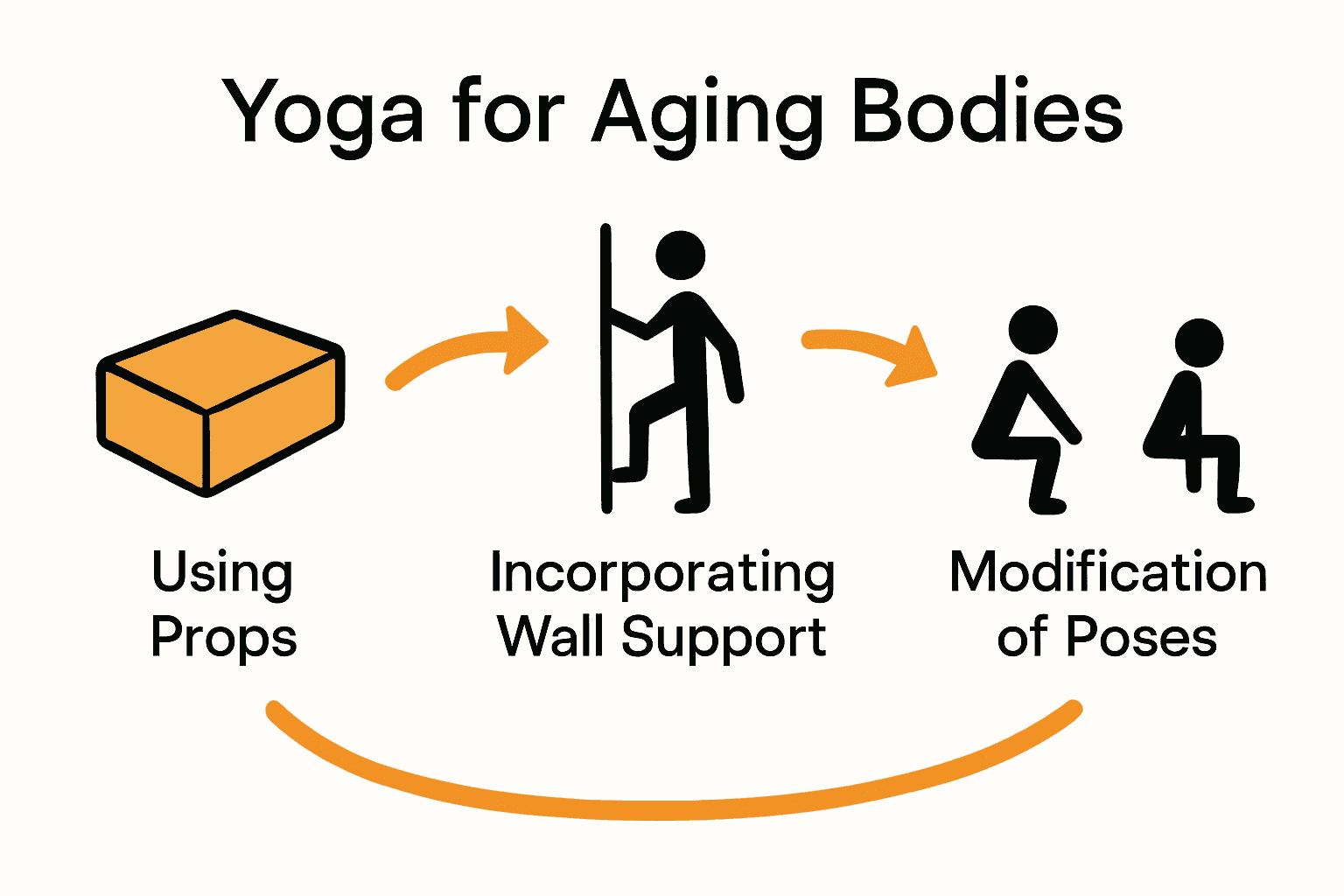
- Listening to your body’s signals
- Working with qualified instructors experienced in senior fitness
- Using supportive equipment
- Practicing gentle, controlled movements
- Allowing adequate recovery time between sessions
For those seeking comprehensive guidance on maintaining mobility as they age, Why Mobility Exercises: Complete Guide for Canadians Over 40 provides additional insights into creating a sustainable fitness routine.
Remember, yoga is not about perfection but about creating a sustainable, enjoyable practice that supports your body’s evolving needs. Embrace modifications as tools of empowerment, not limitations.
Safety Guidelines and Common Mistakes
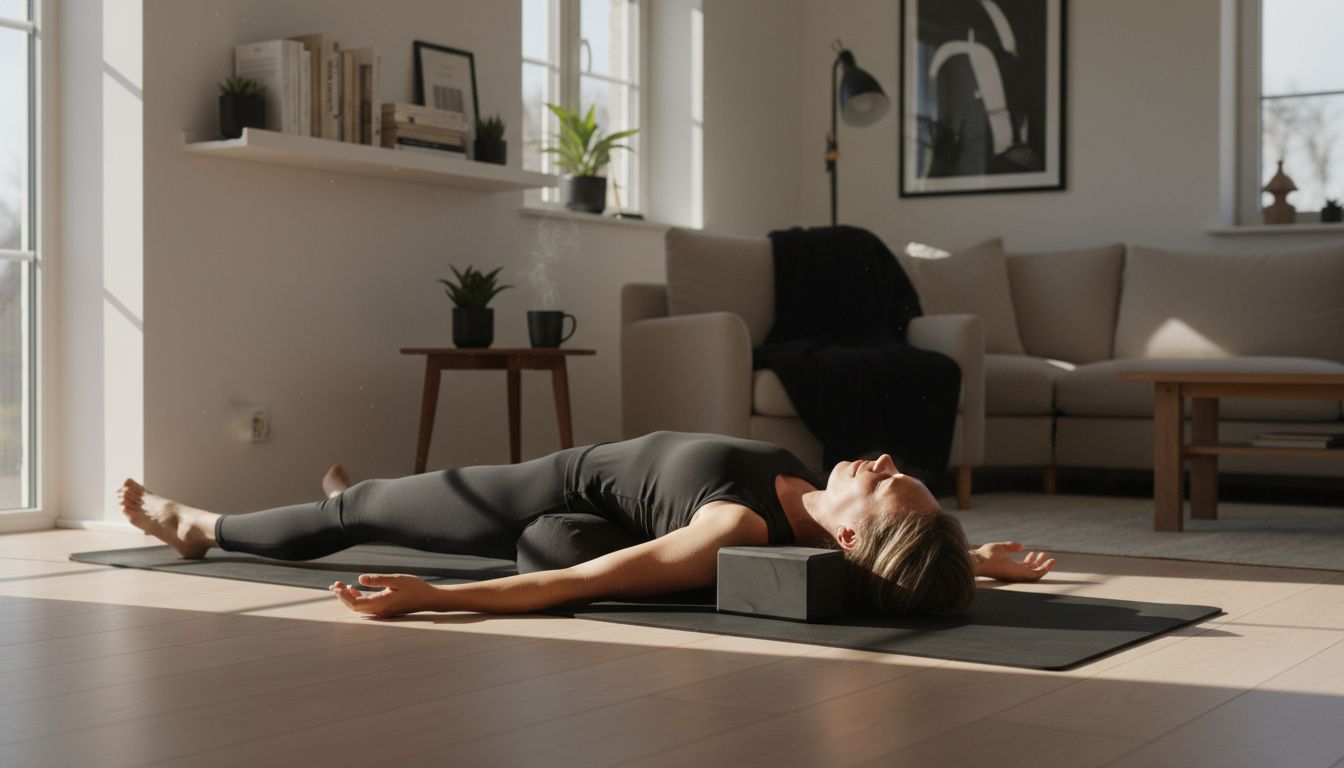
Yoga practice for adults over 40 requires a nuanced approach that prioritizes safety, body awareness, and intelligent progression. Understanding potential pitfalls and implementing strategic precautions can transform your yoga journey from potentially risky to remarkably rewarding.
According to Tom’s Guide, consistent gentle stretching is fundamental for mature practitioners. Common mistakes that can compromise safety include:
- Pushing beyond comfortable range of motion
- Ignoring pain signals
- Comparing yourself to younger practitioners
- Skipping proper warm-up routines
- Neglecting breath synchronization
Critical Safety Principles involve understanding your body’s current capabilities and respecting its limitations. This means:
- Consulting with healthcare providers before starting a new practice
- Starting with beginner-level classes3. Using props for support
- Practicing with experienced, senior-friendly instructors
- Modifying poses to suit your individual needs
Tom’s Guide emphasizes the importance of consistent, gentle practice - focusing on quality of movement over quantity or intensity. A 20-minute daily practice can significantly improve flexibility and strength while minimizing injury risk.
For additional insights into maintaining mobility and preventing common exercise-related challenges, 7 Arthritis-Friendly Exercises for Stronger Joints Over 40 offers complementary guidance for mature fitness enthusiasts.
Remember: Your yoga practice is a personal journey of discovery, not a competitive sport. Listen to your body, respect its wisdom, and progress with patience and self-compassion.
Integrating Yoga With Wellness Goals
Yoga transcends mere physical exercise, offering a holistic approach to wellness that addresses mental, emotional, and physical health for adults navigating their 40s and beyond. Strategic integration of yoga into your lifestyle can transform how you approach personal health and aging.
According to happyyoga.wales, yoga provides powerful mechanisms for managing chronic pain and supporting overall wellness objectives. The practice offers multifaceted benefits that directly align with mature adults’ health goals:
- Reducing stress and anxiety
- Improving joint mobility
- Enhancing mental clarity
- Supporting emotional resilience
- Promoting comprehensive physical healing
anahana.com highlights how different yoga styles can be tailored to specific wellness outcomes. Each style offers unique advantages for mature practitioners:
- Hatha Yoga: Builds foundational strength and flexibility
- Restorative Yoga: Focuses on deep relaxation and stress reduction
- Yin Yoga: Targets connective tissues and improves joint health
- Vinyasa Yoga: Enhances cardiovascular conditioning
For individuals seeking structured guidance in developing comprehensive wellness strategies, How to Set Wellness Goals for Healthy Aging Success provides additional insights into creating meaningful, achievable health objectives.
The key is viewing yoga not as a standalone activity, but as an integrated component of your broader wellness journey. Your practice should evolve alongside your changing body, addressing immediate health needs while building long-term resilience and vitality.
Embrace Yoga Over 40 with Supportive Wellness Solutions
Navigating the challenges of aging gracefully involves more than just practicing yoga. If you are eager to improve flexibility, manage chronic conditions, and boost your overall well-being through yoga, pairing your practice with the right wellness products can make all the difference. Yoga over 40 emphasizes gentle movements, body awareness, and mental clarity, so supporting your journey with high-quality supplements and health monitors enhances your results and keeps you feeling empowered.

Discover carefully curated Vitamins And Supplements example products – Real Healthy Haven designed specifically for adults over 40 to complement your yoga practice. Explore wellness tools and activewear that prioritize comfort and mobility on Real Healthy Haven. Take the step to enrich your healthy aging routine today and embrace yoga as a cornerstone of your vibrant lifestyle.
Frequently Asked Questions
What are the benefits of practicing yoga for individuals over 40?
Yoga offers numerous benefits for those over 40, including improved breathing, enhanced body stability, better cardiovascular health, increased muscle flexibility, stress reduction, and mental clarity. It also helps manage chronic conditions that may arise in midlife, such as type 2 diabetes and high blood pressure.
Which types of yoga are most suitable for adults over 40?
Types of yoga ideal for adults over 40 include Accessible Yoga, Yin Yoga, Restorative Yoga, Gentle Hatha, Chair Yoga, and Kundalini. These styles cater to varying fitness levels and physical limitations, emphasizing safety and comfort through tailored modifications.
How can I adapt my yoga practice as I age?
Key adaptations for aging bodies include using wall support for balance poses, modifying stretches, employing props to reduce strain, focusing on breath-assisted movements, and prioritizing alignment over extreme flexibility. Listening to your body and working with experienced instructors can also enhance safety.
What safety guidelines should I follow when starting yoga over 40?
When practicing yoga as an adult over 40, it’s essential to consult with healthcare providers before starting, begin with beginner-level classes, use props for support, practice with experienced instructors, and modify poses to suit your needs, ensuring your practice is safe and enjoyable.
Recommended
- Workout Routine for Adults 40+: Build Strength and Mobility – Real Healthy Haven
- Role of Healthy Routines: Complete Guide for Adults 40+ – Real Healthy Haven
- The Essential Guide to Role of Posture Exercises – Real Healthy Haven
- The Essential Guide to Why Mobility Exercises Matter – Real Healthy Haven
Leave a comment