

Role of Healthy Routines: Complete Guide for Adults 40+

Over 80 percent of adults notice their wellness needs shifting after age 40. Daily routines that once felt effortless often require a fresh approach to protect both body and mind. Understanding how healthy habits work together can help you build a lifestyle that keeps energy high and stress low as you age. This guide breaks down practical concepts and real-world strategies for feeling your best every day.
Table of Contents
- Defining Healthy Routines And Core Concepts
- Types Of Healthy Routines For Mature Adults
- Key Benefits Of Consistent Healthy Habits
- Building And Maintaining Lasting Wellness
- Common Barriers And How To Overcome Them
Key Takeaways
| Point | Details |
|---|---|
| Healthy Routines are Holistic | Effective routines for adults over 40 should address physical, mental, emotional, and social wellness, tailored to individual needs. |
| Importance of Physical Activity | Regular physical engagement is crucial for maintaining health, enhancing strength, mobility, and reducing chronic disease risks. |
| Emotional and Cognitive Wellness | Incorporating strategies for stress relief and mental stimulation is essential for comprehensive well-being in aging adults. |
| Overcoming Barriers | Adults face physical limitations that can hinder wellness practices; personalized, adaptive strategies can help navigate these challenges. |
Defining Healthy Routines and Core Concepts
Healthy routines represent systematic approaches to wellness that support physical, mental, and emotional well-being, particularly for adults navigating life after 40. According to the CDC, these routines encompass several fundamental elements that collectively contribute to optimal aging and sustained vitality.
At their core, healthy routines involve deliberate, consistent practices designed to enhance overall quality of life. The U.S. Department of Health and Human Services emphasizes that these routines should address multiple dimensions of wellness, including:
- Physical health maintenance
- Mental and cognitive stimulation
- Emotional well-being
- Social engagement
- Preventive healthcare management
Effective healthy routines are not one-size-fits-all but require personalized strategies that adapt to individual needs, physical capabilities, and lifestyle constraints. They demand a holistic approach that balances structured activities with flexibility, allowing adults to create sustainable wellness frameworks that evolve with their changing bodily requirements and personal goals. The ultimate objective is creating a comprehensive lifestyle approach that supports longevity, independence, and overall life satisfaction.
Types of Healthy Routines for Mature Adults
Healthy routines for adults over 40 encompass diverse strategies targeting holistic wellness across multiple life dimensions. Health and Human Services recommends specific approaches that support physical resilience, cognitive function, and overall quality of life.
Here’s a summary of key types of healthy routines for adults over 40:
| Routine Type | Main Focus | Example Activities |
|---|---|---|
| Physical Wellness | Strength, flexibility, mobility | Walking Resistance Training Tai Chi Yoga |
| Cognitive Wellness | Mental stimulation | Learning new skills Puzzles Reading |
| Emotional Wellness | Stress relief, resilience | Meditation Journaling Therapy |
| Social Wellness | Community and connection | Volunteer work Group classes Family gatherings |
| Preventive Care | Health maintenance | Medical checkups Vaccinations Health screenings |
Physical Wellness Routines represent a critical foundation for mature adults, involving targeted exercises designed to maintain strength, flexibility, and independence. According to the National Institute of Diabetes and Digestive and Kidney Diseases, these routines should strategically incorporate:
- Aerobic Activities: Walking, swimming, cycling
- Muscle-Strengthening Exercises: Resistance training, bodyweight exercises
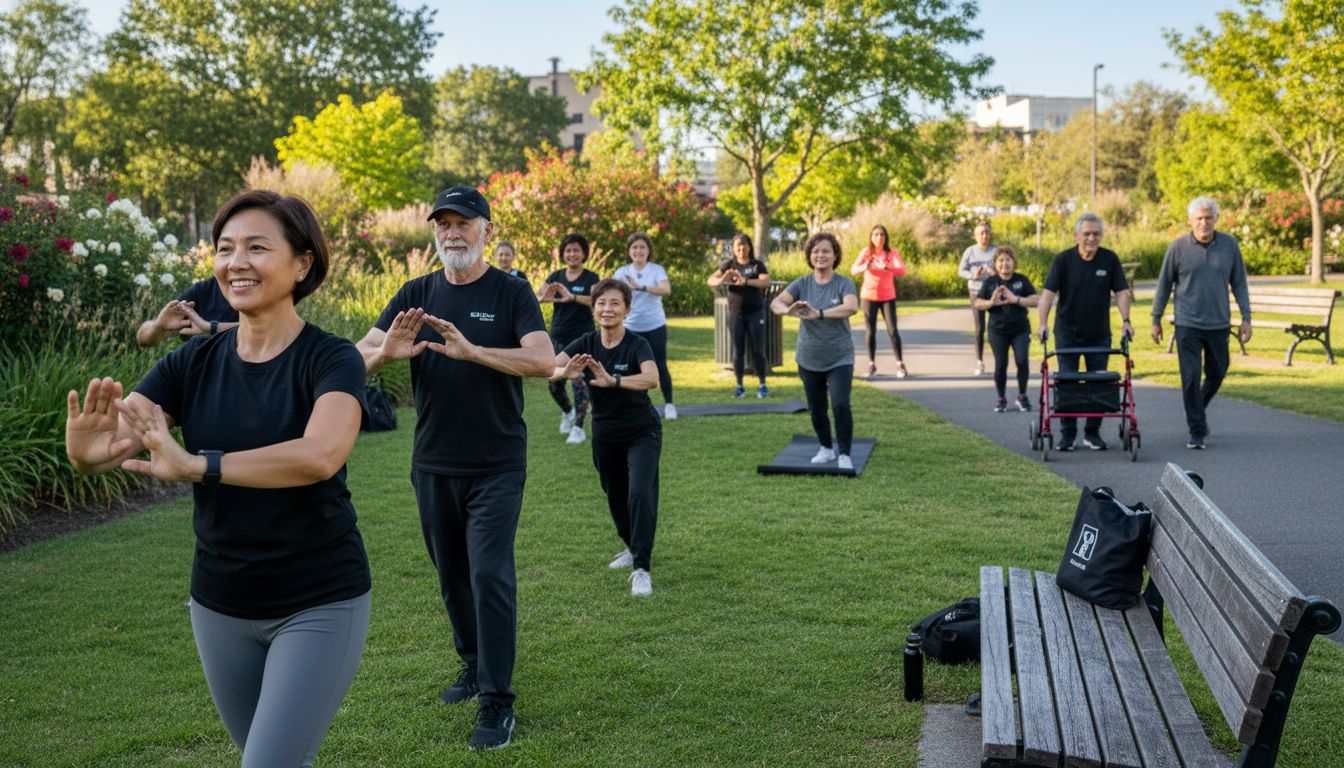
- Balance Training: Tai Chi, stability exercises, controlled movement practices
- Flexibility Work: Stretching, yoga, mobility drills
Cognitive and emotional wellness routines complement physical practices, emphasizing mental stimulation, social connection, and stress management. These might include daily meditation, learning new skills, engaging in community activities, and maintaining consistent sleep patterns. Effective healthy routines for mature adults demand personalization, adaptability, and a commitment to gradual, sustainable lifestyle modifications that support comprehensive well-being.
Key Benefits of Consistent Healthy Habits
Consistent healthy habits are transformative strategies that significantly enhance quality of life for adults over 40, providing comprehensive wellness benefits across physical, mental, and emotional domains. Canada Safety Council emphasizes that regular physical activity delivers multifaceted advantages that extend far beyond simple exercise.
Physical Health Benefits are particularly pronounced for mature adults. According to the National Institute of Diabetes and Digestive and Kidney Diseases, consistent healthy habits can help adults:
- Maintain a healthy body weight
- Reduce risks of chronic diseases
- Strengthen muscles and bone density
- Improve overall metabolic functioning
- Enhance cardiovascular health
Beyond physical improvements, consistent healthy habits generate profound psychological and emotional rewards. Regular engagement in wellness routines builds resilience, boosts self-confidence, reduces stress, and creates a sense of personal empowerment. The cumulative effect is a more balanced, energetic approach to life that supports independence, mental clarity, and emotional well-being throughout the aging process.
Building and Maintaining Lasting Wellness
Building lasting wellness requires a strategic, holistic approach that adapts to the changing needs of adults over 40. U.S. Department of Health and Human Services emphasizes the importance of creating comprehensive wellness strategies that address nutrition, physical activity, and overall lifestyle management.
Nutritional Foundations play a critical role in sustaining long-term health. According to the National Institute of Diabetes and Digestive and Kidney Diseases, developing a sustainable wellness plan involves:
- Crafting balanced eating plans
- Selecting nutrient-rich foods
- Ensuring adequate protein intake
- Maintaining vitamin B12 levels
- Managing portion sizes
- Staying hydrated
Successful wellness maintenance goes beyond physical practices. It demands a holistic approach that integrates mental resilience, emotional well-being, and adaptable lifestyle choices. This means creating flexible routines that can evolve with changing physical capabilities, embracing continuous learning, and maintaining a positive, growth-oriented mindset. The ultimate goal is developing a personalized wellness framework that supports independence, vitality, and overall quality of life throughout the aging process.
Common Barriers and How to Overcome Them
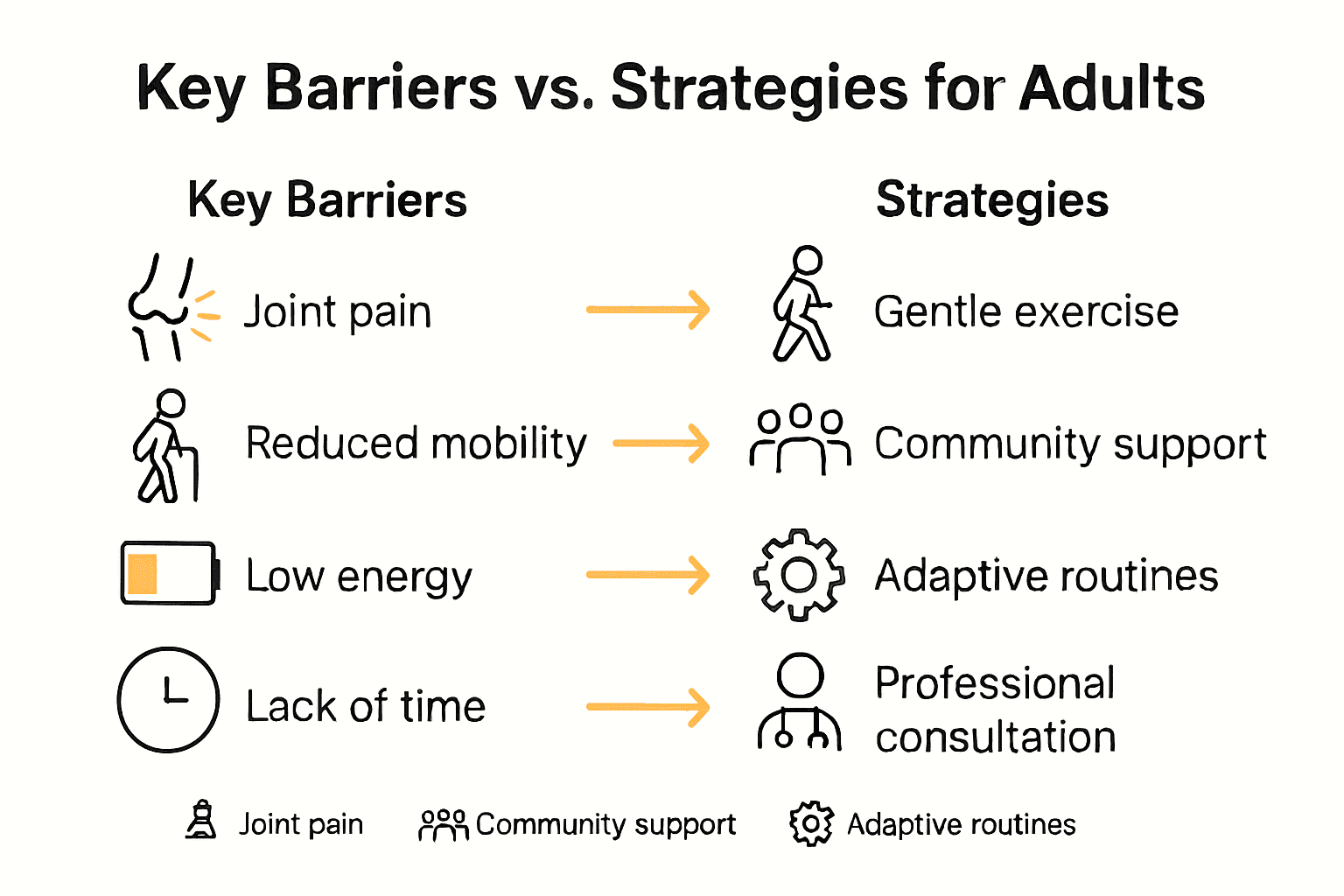
Adults over 40 frequently encounter unique challenges when establishing and maintaining healthy routines, requiring thoughtful strategies and compassionate self-management. National Institute of Diabetes and Digestive and Kidney Diseases recognizes that physical limitations and potential discomfort can significantly impact wellness journey initiation.
Physical Barriers represent the most immediate obstacles for mature adults. These challenges include:
- Reduced mobility
- Joint pain
- Decreased muscle flexibility
- Balance inconsistencies
- Energy level fluctuations
According to the Washington State Department of Social and Health Services, overcoming these barriers requires a multifaceted approach that prioritizes mental resilience, community engagement, and adaptive strategies. Successful navigation demands patience, consistent gentle movement, professional guidance, and a willingness to modify approaches based on individual physical capabilities. The key is creating personalized, sustainable wellness pathways that respect current limitations while gradually expanding personal potential.
Empower Your Healthy Routine Today for Lasting Wellness
Creating and maintaining healthy routines after 40 can feel overwhelming, especially when facing challenges like reduced mobility or fluctuating energy levels. This guide shows how important it is to address physical health, mental stimulation, and preventive care with personalized and sustainable habits to support your well-being. If you want to ease those common barriers and strengthen your wellness journey, you can find tailored solutions that complement your goals.

Explore high-quality vitamins and supplements crafted for mature adults to boost energy, support muscle and bone health, and enhance mental clarity. Visit Real Healthy Haven to discover fitness tools and health monitors designed to fit your lifestyle and help you stay consistent with your healthy routines. Take the next step now—build your personalized wellness plan with confidence and enjoy free shipping across Canada on products made to empower your active life.
Frequently Asked Questions
What are the key components of healthy routines for adults over 40?
Healthy routines for adults over 40 typically encompass physical wellness, cognitive stimulation, emotional well-being, social engagement, and preventive healthcare management. These dimensions work together to enhance overall quality of life.
How can I start a physical wellness routine after 40?
To start a physical wellness routine after 40, incorporate activities such as walking, resistance training, tai chi, and yoga. It’s important to choose exercises that promote strength, flexibility, mobility, and balance, while being mindful of any physical limitations.
What are some effective strategies for improving cognitive wellness?
Effective strategies for improving cognitive wellness include engaging in mental stimulation activities like puzzles, learning new skills, reading, and maintaining social interactions. These practices help keep the mind active and promote mental clarity.
How can I overcome barriers to establishing healthy routines in my 40s and beyond?
To overcome barriers such as reduced mobility or joint pain, focus on gentle movements and adaptive strategies. Seek professional guidance when needed, prioritize patience in your approach, and create personalized wellness pathways that consider your current physical capabilities.
Recommended
- Workout Routine for Adults 40+: Build Strength and Mobility – Real Healthy Haven
- Healthy Lifestyle Principles: Complete Guide for Adults 40+ – Real Healthy Haven
- Why Mobility Exercises: Complete Guide for Canadians Over 40 – Real Healthy Haven
- The Essential Guide to Why Mobility Exercises Matter – Real Healthy Haven
- 7 Best Practices zur Stress-Prävention für mehr innere Balance
Leave a comment