

How to Recover from Workouts 40+ Naturally: Step-by-Step Guide

Nearly 60 percent of adults over 40 report longer recovery times after workouts, which often leads to lingering soreness and stalled progress. As bodies mature, recovery needs shift, making it more challenging to regain energy and rebuild muscle. Understanding how to support optimal recovery can mean the difference between nagging pain and lasting results. This article breaks down practical steps to speed healing, improve performance, and help you feel stronger after every workout.
Table of Contents
- Step 1: Prepare Your Body for Recovery with Proper Cool Down
- Step 2: Hydrate and Fuel with Age-Appropriate Nutrition
- Step 3: Incorporate Effective Rest and Sleep Strategies
- Step 4: Utilize Supportive Recovery Tools and Devices
- Step 5: Monitor Progress and Adjust Recovery Routines
Quick Summary
| Key Point | Explanation |
|---|---|
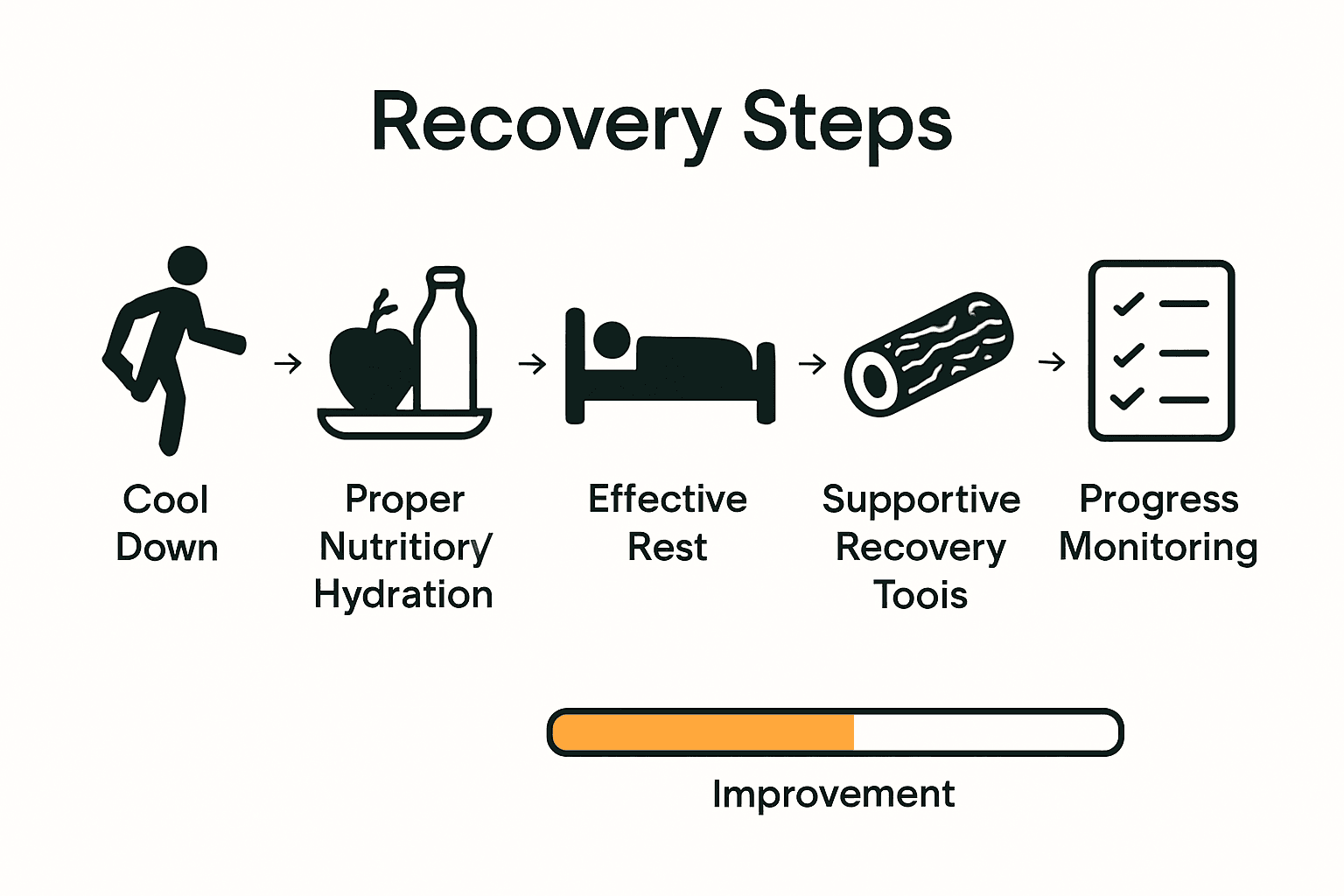
| 1. Implement a structured cool down | Start your recovery with a 10-minute cool down that includes gentle cardiovascular exercises and muscle stretching. |
| 2. Focus on proper nutrition and hydration | Consume balanced proteins and carbohydrates post-exercise, and hydrate adequately to support muscle repair and energy levels. |
| 3. Prioritize quality rest and sleep | Aim for 7 to 9 hours of uninterrupted sleep each night to enhance muscle repair and overall recovery. |
| 4. Use targeted recovery tools | Incorporate foam rolling and compression garments to alleviate soreness and enhance recovery processes. |
| 5. Track recovery progress regularly | Monitor metrics such as sleep quality and muscle soreness to personalize your recovery routines effectively. |
 |
|
Step 1: Prepare Your Body for Recovery with Proper Cool Down
Recovery starts the moment you finish your workout, and a strategic cool down can dramatically improve how your body bounces back. According to NHS, implementing a thoughtful 10-minute cool down routine helps gradually lower your heart rate and prepare your muscles for recovery.
Your cool down strategy should include two primary components: gentle cardiovascular reduction and muscle stretching. Start by walking or moving at a slower pace for about 5 minutes, allowing your heart rate to naturally decrease. This helps prevent blood from pooling in your muscles and reduces the likelihood of dizziness or muscle stiffness. Healthline recommends transitioning into static stretches that target the major muscle groups you’ve just worked, holding each stretch for 15 to 30 seconds.
Quick pro tip: Focus on slow, controlled breathing during your cool down. This not only helps regulate your heart rate but also signals to your body that it’s time to shift from high intensity exercise to recovery mode. By consistently practicing a proper cool down, you’ll minimize muscle soreness and support faster muscle repair and growth.
Next, we’ll explore specific stretching techniques that will optimize your post workout recovery process.
Step 2: Hydrate and Fuel with Age-Appropriate Nutrition
After completing your workout, strategic nutrition and hydration become crucial for recovery, especially for adults over 40. Time recommends drinking 8 ounces of water every 15 to 20 minutes during exercise, which becomes even more critical as our metabolism and hydration needs change with age.
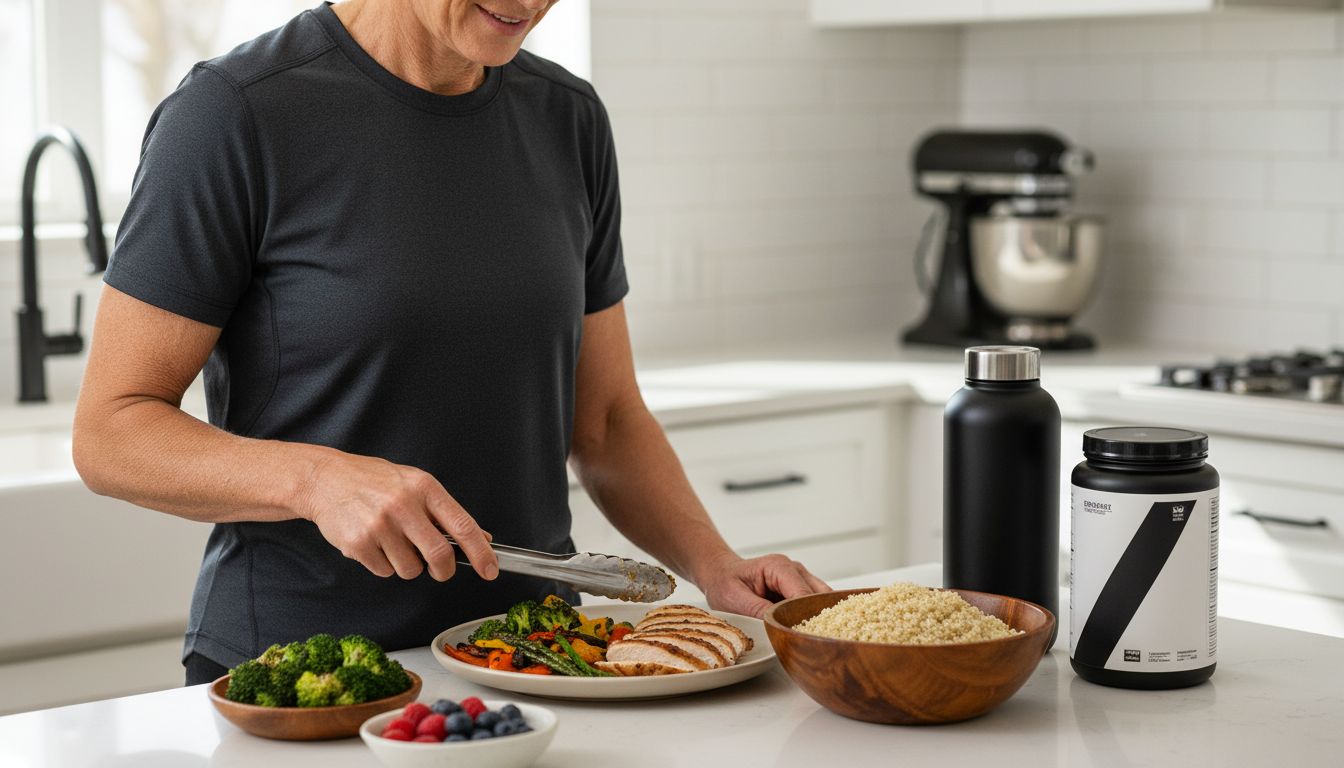
Your post workout nutrition should focus on balanced protein and carbohydrate intake to support muscle repair and energy replenishment. Time highlights the importance of consuming proteins and carbohydrates that help rebuild muscle tissue and restore glycogen stores. For individuals over 40, this means choosing nutrient dense foods like lean proteins such as chicken or fish, complex carbohydrates like sweet potatoes or quinoa, and adding anti inflammatory foods like berries or leafy greens to support faster recovery.
Pro tip: Listen to your body and adjust portion sizes based on your workout intensity. Smaller more frequent meals can help optimize nutrient absorption and support metabolism. Consider consulting a nutritionist who specializes in midlife wellness to develop a personalized nutrition strategy.
Next, we will explore specific recovery supplements that can enhance your body’s natural healing processes.
Step 3: Incorporate Effective Rest and Sleep Strategies
Recovery for adults over 40 is fundamentally linked to quality rest and strategic sleep management. Your body requires more intentional recovery time compared to younger athletes, making sleep an essential component of your fitness routine. Prioritizing sleep becomes a critical strategy for muscle repair muscle growth and overall physical regeneration.
Establish a consistent sleep schedule that allows for 7 to 9 hours of uninterrupted rest. Create a relaxing bedtime routine that signals your body it is time to wind down. This might include gentle stretching, reading, meditation or light breathing exercises. Consider reducing screen time at least one hour before bed to improve melatonin production and support natural sleep cycles. Your bedroom environment matters too create a cool dark and quiet space that promotes deep restorative sleep.
Pro tip: Track your sleep quality using a simple journal. Note factors like total sleep time energy levels upon waking and any nighttime disruptions. This self monitoring approach helps you understand your unique recovery needs and make targeted improvements. Midlife Nutrition Essentials can offer additional insights into supporting your bodys recovery through nutrition and lifestyle choices.
Next we will explore how to manage muscle soreness and support long term recovery for active adults over 40.
Step 4: Utilize Supportive Recovery Tools and Devices
As an adult over 40, strategic recovery tools become essential for maintaining fitness and preventing injury. Research shows that targeted recovery devices can significantly enhance your body’s healing process and reduce muscle soreness. NCBI highlights foam rolling as an especially effective technique for reducing muscle tension and improving range of motion.
Consider incorporating compression garments into your recovery routine. NCBI research indicates these specialized garments can accelerate muscle recovery and reduce post exercise soreness. Start with lightweight compression socks or sleeves that provide gentle pressure and support circulation. Additional recovery tools like massage guns percussive therapy devices and cold therapy wraps can also help manage inflammation and support muscle repair.
Pro tip: Invest in quality recovery tools tailored to your specific workout intensity and body needs. Not all devices work identically for everyone over 40 so experiment carefully and listen to your bodys response. Complete Guide to Mobility Devices for Adults 40+ can provide additional insights into selecting the right recovery equipment for your fitness journey.
Next we will explore strategies for managing muscle soreness and long term recovery for active adults.
Step 5: Monitor Progress and Adjust Recovery Routines
Tracking your body’s recovery and performance becomes increasingly important as you age. NCBI research emphasizes the critical need for individualized monitoring approaches that help you understand how your body responds to different workout intensities and recovery strategies.
Develop a comprehensive tracking system that goes beyond simple workout logs. Use a combination of objective measurements and subjective assessments to gauge your recovery progress. This might include tracking heart rate variability sleep quality muscle soreness energy levels and overall workout performance. Consider using smartphone apps or wearable fitness trackers that can help you record and analyze these metrics consistently. Pay special attention to how your body feels after different types of workouts and recovery techniques noting any patterns of faster or slower recovery.
Pro tip: Create a weekly review ritual where you examine your tracking data and reflect on your bodys signals. Look for trends that indicate when you need more rest or can push harder. Be willing to modify your recovery strategies based on these insights. Remember that recovery is not a one size fits all process and what works perfectly one month might need adjustment the next.
Next we will explore strategies for maintaining motivation and consistency in your fitness recovery journey.
Support Your 40+ Workout Recovery Naturally with Targeted Supplements and Wellness Tools
Recovering from workouts after 40 can feel challenging as your body demands more care and intentional strategies. You want to reduce muscle soreness, boost energy, and promote healing, but finding solutions tailored for your age and lifestyle is key. This is where carefully chosen nutrition and supplements play a vital role in enhancing muscle repair and supporting overall vitality.

Explore a curated selection of Vitamins And Supplements example products designed specifically to meet midlife recovery needs and support healthy aging. Our offerings at Real Healthy Haven empower you to follow through on hydration, muscle repair, and inflammation management so you can experience faster recovery and consistent progress. Take control of your post workout wellness today by visiting our site and discovering wellness essentials built just for you. Your best recovery starts now.
Frequently Asked Questions
How long should my cool down routine be after a workout?
A proper cool down routine should last about 10 minutes. Start with 5 minutes of gentle walking, followed by static stretches targeting the major muscle groups you just worked.
What types of nutrition should I focus on after exercising?
Focus on balanced post-workout nutrition that includes both protein and carbohydrates to aid in muscle repair and energy replenishment. Aim to consume nutrient-dense foods, such as lean proteins and complex carbohydrates, within 30 minutes after your workout.
How much sleep do I need for optimal recovery over 40?
Aim for 7 to 9 hours of uninterrupted sleep each night to ensure effective recovery. Establish a consistent sleep schedule and create a calming bedtime routine to enhance your rest quality.
What recovery tools are beneficial for active adults over 40?
Incorporate recovery tools like foam rollers and compression garments to assist with muscle recovery and soreness. Begin using lightweight compression socks or sleeves to support circulation after workouts.
How can I effectively monitor my recovery progress?
Develop a tracking system that combines objective measurements, like heart rate variability, and subjective assessments, such as energy levels. Regularly review your progress weekly to adjust your recovery strategies based on how your body responds.
What should I do if I’m feeling more sore after my workouts?
If you’re experiencing increased soreness, prioritize gentle recovery strategies such as light stretching and hydration. Consider reducing workout intensity for a few days to allow your muscles to recover properly.
Recommended
- Workout Routine for Adults 40+: Build Strength and Mobility – Real Healthy Haven
- Role of Healthy Routines: Complete Guide for Adults 40+ – Real Healthy Haven
- Premium Fitness & Wellness Products for Adults 40+ | Real Healthy Have – Real Healthy Haven
- 7 Essential Weight Management Tips 2025 for Adults 40+ – Real Healthy Haven
Leave a comment