

Thyroid Health: Impact on Aging and Wellness

More than 20 million American adults are living with some type of thyroid disorder, yet many never realize their thyroid is the source of constant fatigue or stubborn weight changes. This tiny gland holds the power to influence nearly every major function in your body, making its health far more important than most people think. Uncovering how thyroid health shapes your daily energy, mood, and long-term wellness could transform your perspective on what keeps your body running strong.
Table of Contents
- What Is Thyroid Health and Its Importance
- Types of Thyroid Disorders in Adults
- How the Thyroid Gland Functions
- Recognizing Symptoms of Thyroid Imbalance
- Testing, Treatment, and Lifestyle Solutions
Key Takeaways
| Point | Details |
|---|---|
| Importance of Thyroid Health | The thyroid gland regulates crucial bodily functions such as metabolism and emotional stability, making thyroid health vital for overall wellness. |
| Common Disorders | Hypothyroidism and hyperthyroidism are the most prevalent thyroid disorders, each presenting distinct symptoms and requiring specific management. |
| Symptom Recognition | Early detection of thyroid imbalances is essential; individuals should monitor symptoms like fatigue and weight changes that may indicate thyroid issues. |
| Regular Testing | Annual thyroid check-ups and comprehensive tests are recommended, especially for those over 40, to ensure early identification of potential disorders. |
What Is Thyroid Health and Its Importance
Your thyroid is a small yet powerful gland with an outsized impact on overall wellness. Located in the front of the neck, this butterfly-shaped gland plays a critical role in regulating numerous bodily functions that determine how you feel, perform, and age.
The thyroid gland produces hormones that manage essential metabolic processes, including heart rate, body temperature, blood pressure, and energy production. When functioning optimally, these hormones help maintain steady weight, support cognitive performance, and contribute to emotional stability. Think of the thyroid as your body’s internal control center, quietly orchestrating complex systems that keep you running smoothly.
Understanding thyroid health becomes increasingly important as we age. Research indicates that thyroid disorders can impact up to 20% of adults over 40, with women experiencing higher rates of thyroid dysfunction compared to men. Conditions like hypothyroidism and hyperthyroidism can emerge gradually, often presenting subtle symptoms that many people mistake for normal aging processes.
Proper thyroid function influences nearly every aspect of human physiology. From metabolism and weight management to brain function and emotional well-being, this small gland serves as a fundamental regulator of your body’s intricate systems. Regular monitoring through blood tests and understanding potential symptoms can help you maintain optimal thyroid health as you progress through different life stages.
Pro Tip: Annual Thyroid Check: Schedule a comprehensive thyroid panel during your yearly physical examination, especially after age 40, to catch any potential hormonal imbalances early and maintain proactive health management.
Types of Thyroid Disorders in Adults
Thyroid disorders represent a complex range of conditions that can significantly impact your overall health and wellness. Thyroid disorders encompass multiple distinct conditions that affect how your body produces and regulates hormones, each with unique symptoms and potential health implications.

The most common thyroid disorders include hypothyroidism and hyperthyroidism. Hypothyroidism occurs when the thyroid gland produces insufficient hormones, leading to symptoms like fatigue, weight gain, cold sensitivity, and depression. In contrast, hyperthyroidism happens when the thyroid becomes overactive, generating excessive hormones and causing symptoms such as rapid heartbeat, unexplained weight loss, nervousness, and increased metabolism.
Several specific thyroid conditions can emerge as adults age, including:
- Hashimoto’s Thyroiditis: An autoimmune disorder where the immune system attacks the thyroid
- Graves’ Disease: An immune system disorder causing hyperthyroidism
- Thyroid Nodules: Abnormal growths within the thyroid gland
- Goiter: Abnormal enlargement of the thyroid gland
- Thyroid Cancer: Malignant growths developing in thyroid tissue
Each of these conditions requires unique diagnostic approaches and treatment strategies. Factors like age, genetics, lifestyle, and overall health can influence the likelihood of developing thyroid disorders. Regular medical screenings and understanding your personal risk factors become increasingly important as you progress through different life stages.
Here’s a comparison of major thyroid disorders to help differentiate their features:
| Disorder Name | Hormone Activity | Key Risk Group | Typical Onset Age |
|---|---|---|---|
| Hypothyroidism | Reduced hormone levels | Women over 40 | Middle age onward |
| Hyperthyroidism | Excess hormone levels | Adults, more common in women | 20s to 40s |
| Hashimoto’s Thyroiditis | Fluctuating/declines | Individuals with autoimmune history | Any adult age |
| Graves’ Disease | Increased hormone | Women of reproductive age | 30-50 |
| Thyroid Nodules | Usually normal or low | Adults, risk increases with age | 50+ |
| Goiter | Varies | Areas with low iodine intake | Any age |
| Thyroid Cancer | Varies | Older adults, some genetics | 40+ |
Pro Tip: Symptom Journal: Maintain a detailed journal tracking potential thyroid disorder symptoms like energy levels, weight changes, and mood fluctuations to provide comprehensive information during medical consultations.
How the Thyroid Gland Functions
Located at the base of the neck, just below the Adam’s apple, the thyroid gland is a small but mighty endocrine organ that acts as a critical control center for your body’s metabolic processes. This butterfly-shaped gland might be tiny, but it plays an enormous role in regulating numerous physiological functions through its hormone production.
The thyroid primarily produces two key hormones: thyroxine (T-4) and triiodothyronine (T-3). These hormones influence virtually every cell in your body, controlling essential functions such as:
- Metabolism rate
- Body temperature regulation
- Heart rate
- Blood pressure
- Energy production
- Cognitive function
- Muscle control
- Bone maintenance
The hormone production process involves a complex feedback mechanism regulated by the pituitary gland. When your body needs more energy or metabolism adjustment, the pituitary gland releases thyroid-stimulating hormone (TSH), which signals the thyroid to produce and release T-3 and T-4 hormones. This intricate communication system ensures your body maintains precise hormonal balance and responds effectively to changing physiological demands.
Understanding this delicate hormonal ecosystem helps explain why even minor thyroid disruptions can cause significant health impacts. The thyroid’s hormones work like a sophisticated communication network, sending critical messages that coordinate everything from your body’s energy expenditure to its temperature regulation and emotional responses.
Pro Tip: Hormone Harmony: Consume a balanced diet rich in iodine, selenium, and zinc to support optimal thyroid hormone production and maintain healthy gland function.
Recognizing Symptoms of Thyroid Imbalance
Thyroid imbalances can manifest through a wide range of symptoms that often go unnoticed or are mistaken for typical age-related changes. Understanding the distinct signs of thyroid dysfunction is crucial for early detection and effective management, especially for adults over 40.
For hypothyroidism, common symptoms include:
- Persistent fatigue and low energy
- Unexpected weight gain
- Depression or mood changes
- Increased sensitivity to cold temperatures
- Dry skin and hair
- Constipation
- Muscle weakness and joint pain
Hyperthyroidism presents a dramatically different set of symptoms, characterized by:
- Rapid and unexplained weight loss
- Increased heart rate and heart palpitations
- Excessive sweating
- Nervousness and anxiety
- Tremors in hands and fingers
- Increased sensitivity to heat
- Protruding or bulging eyes
The complexity of thyroid disorders lies in their ability to mimic other health conditions. Many adults dismiss these symptoms as normal aging, which can delay critical diagnosis and treatment. Hormonal changes, stress, and individual health history can all influence how thyroid imbalances manifest, making professional medical evaluation essential for accurate diagnosis.
Pro Tip: Symptom Tracking: Create a detailed weekly symptom journal documenting physical and emotional changes to help your healthcare provider identify potential thyroid irregularities more effectively.
Testing, Treatment, and Lifestyle Solutions
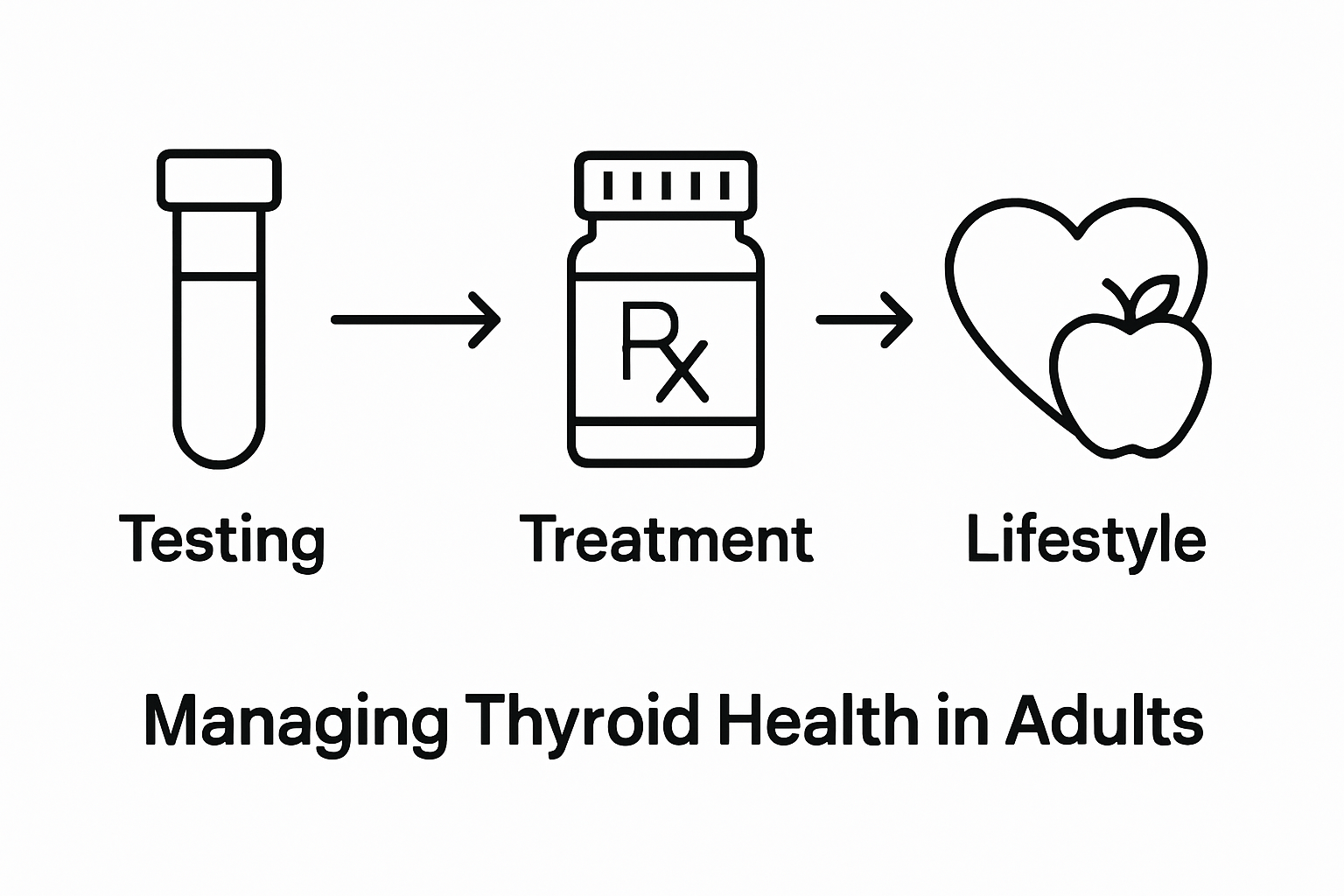
Thyroid disorder testing requires a strategic and targeted approach, particularly for adults experiencing specific symptoms or at higher risk. Comprehensive diagnosis typically begins with a thorough medical history review and physical examination, followed by precise blood tests measuring thyroid-stimulating hormone (TSH) levels.
The primary diagnostic methods for thyroid disorders include:
The table below summarizes key diagnostic methods and their main purpose for thyroid evaluation:
| Diagnostic Test | Primary Purpose | Typical Use Case |
|---|---|---|
| TSH, T3, T4 blood tests | Assess hormone balance | Initial screening and monitoring |
| Thyroid ultrasound | Visualize gland structure | Detect nodules or enlargement |
| Radioactive iodine uptake | Measure thyroid function | Differentiate disorder types |
| Antibody screening | Identify autoimmune involvement | Diagnose Hashimoto’s/Graves’ |
| Fine needle aspiration biopsy | Analyze suspicious growths | Check for cancer or cysts |
- Blood tests measuring TSH, T3, and T4 hormone levels
- Thyroid ultrasound imaging
- Radioactive iodine uptake tests
- Thyroid antibody screenings
- Fine needle aspiration biopsies for suspicious nodules
Treatment options vary depending on the specific thyroid condition and may encompass:
- Synthetic hormone replacement therapy
- Antithyroid medications
- Radioactive iodine treatments
- Surgical interventions for complex cases
- Lifestyle and dietary modifications
Lifestyle solutions play a critical role in managing thyroid health. Nutrition, stress management, regular exercise, and consistent sleep patterns can significantly impact thyroid function. Incorporating selenium-rich foods, managing stress through meditation, maintaining a consistent exercise routine, and avoiding inflammatory dietary triggers can support overall thyroid wellness.
Pro Tip: Holistic Monitoring: Work closely with an endocrinology specialist to develop a personalized thyroid management plan that integrates medical treatment with comprehensive lifestyle strategies.
Support Your Thyroid Health for Better Aging and Wellness
Living with thyroid imbalances can feel overwhelming, especially when symptoms like fatigue, mood changes, or unexpected weight shifts take a toll on your daily life. This article highlights how critical thyroid hormones are in regulating metabolism and overall well-being, revealing the importance of managing these challenges proactively. If you want to maintain your energy levels, support your metabolic health, and embrace a healthier aging journey, specialized tools and wellness products designed for adults over 40 can help.

Explore carefully curated fitness and health solutions at Real Healthy Haven that are crafted to support your thyroid health goals. From advanced health monitors that help you track vital signs and energy patterns to comfortable activewear and wellness supplements designed for hormonal balance, you will find everything needed to empower your wellness journey. Don’t wait for symptoms to impact your life—take action now by visiting Real Healthy Haven and start building a tailored plan for sustainable vitality and well-being.
Frequently Asked Questions
What is thyroid health and why is it important?
Thyroid health refers to the optimal functioning of the thyroid gland, which produces hormones that regulate metabolism, heart rate, body temperature, and energy production. Proper thyroid function is crucial for overall wellness, affecting weight management, cognitive performance, and emotional stability, particularly as we age.
What are the common types of thyroid disorders in adults?
Common thyroid disorders include hypothyroidism (underactive thyroid), hyperthyroidism (overactive thyroid), Hashimoto’s thyroiditis, Graves’ disease, thyroid nodules, goiter, and thyroid cancer. Each condition has unique symptoms and implications for health.
How can I recognize the symptoms of a thyroid imbalance?
Symptoms of thyroid imbalance can vary; in hypothyroidism, look for fatigue, weight gain, cold sensitivity, and depression. In hyperthyroidism, you may notice rapid weight loss, increased heart rate, sweating, and anxiety. Keeping a symptom journal can help in identifying these issues.
How are thyroid disorders tested and treated?
Thyroid disorders are typically diagnosed through blood tests measuring TSH, T3, and T4 hormone levels. Treatment options depend on the specific condition and may include hormone replacement therapy, antithyroid medications, radioactive iodine treatments, or lifestyle modifications.
Leave a comment