

Defining Metabolic Health – Why It Matters After 40

Only 6.8 percent of American adults achieve ideal metabolic health by age 40, revealing a hidden health crisis affecting millions. As metabolic changes quietly creep in during midlife, knowing what really drives metabolic function becomes critical for protecting long-term vitality and preventing chronic disease. This guide demystifies metabolic health, highlights essential markers every American should watch, and shares proactive strategies to help you stay resilient as you age.
Table of Contents
- What Is Metabolic Health And Why It Matters
- Key Metabolic Markers For Adults Over 40
- Common Misconceptions About Metabolism
- Practical Steps To Support Metabolic Health
- Risks Of Poor Metabolic Health In Later Life
Key Takeaways
| Point | Details |
|---|---|
| Importance of Metabolic Health | Metabolic health is critical for processing nutrients and managing energy, especially after age 40, to prevent chronic diseases. |
| Key Metabolic Indicators | Adults should monitor fasting glucose, triglycerides, HDL cholesterol, waist circumference, and blood pressure for optimal health. |
| Myths About Metabolism | Common misconceptions can hinder effective health strategies; metabolism is influenced by lifestyle factors beyond age and genetics. |
| Proactive Health Management | Regular screenings, balanced nutrition, consistent exercise, and stress management are essential for maintaining metabolic health. |
What Is Metabolic Health and Why It Matters
Metabolic health represents a complex biological system that determines how effectively your body processes nutrients, manages energy, and maintains critical physiological functions. At its core, metabolic health describes the body’s ability to regulate blood sugar, insulin response, cholesterol levels, and inflammation without medical intervention. By age 40, these metabolic processes become increasingly critical as natural aging impacts cellular efficiency.
Researchers define metabolic health through several key indicators, including blood sugar stability, cholesterol profiles, and body composition. Metabolic syndrome emerges when an individual presents three or more specific clinical markers: elevated waist circumference, high triglycerides, low HDL cholesterol, high blood pressure, and increased fasting blood glucose. Notably, nearly half of all individuals over 60 experience some form of metabolic dysfunction, making proactive management essential for long-term wellness.
The implications of compromised metabolic health extend far beyond simple numbers. Individuals with metabolic syndrome face significantly heightened risks of serious health complications, including:
- Cardiovascular disease
- Type 2 diabetes
- Potential liver and kidney disorders
- Increased systemic inflammation
- Higher likelihood of stroke
Understanding and addressing metabolic health becomes increasingly important as we age, with nutritional strategies playing a pivotal role in maintaining optimal metabolic function. Proactive lifestyle choices, including targeted nutrition, regular physical activity, and comprehensive health monitoring, can dramatically improve metabolic resilience and overall well-being after 40.
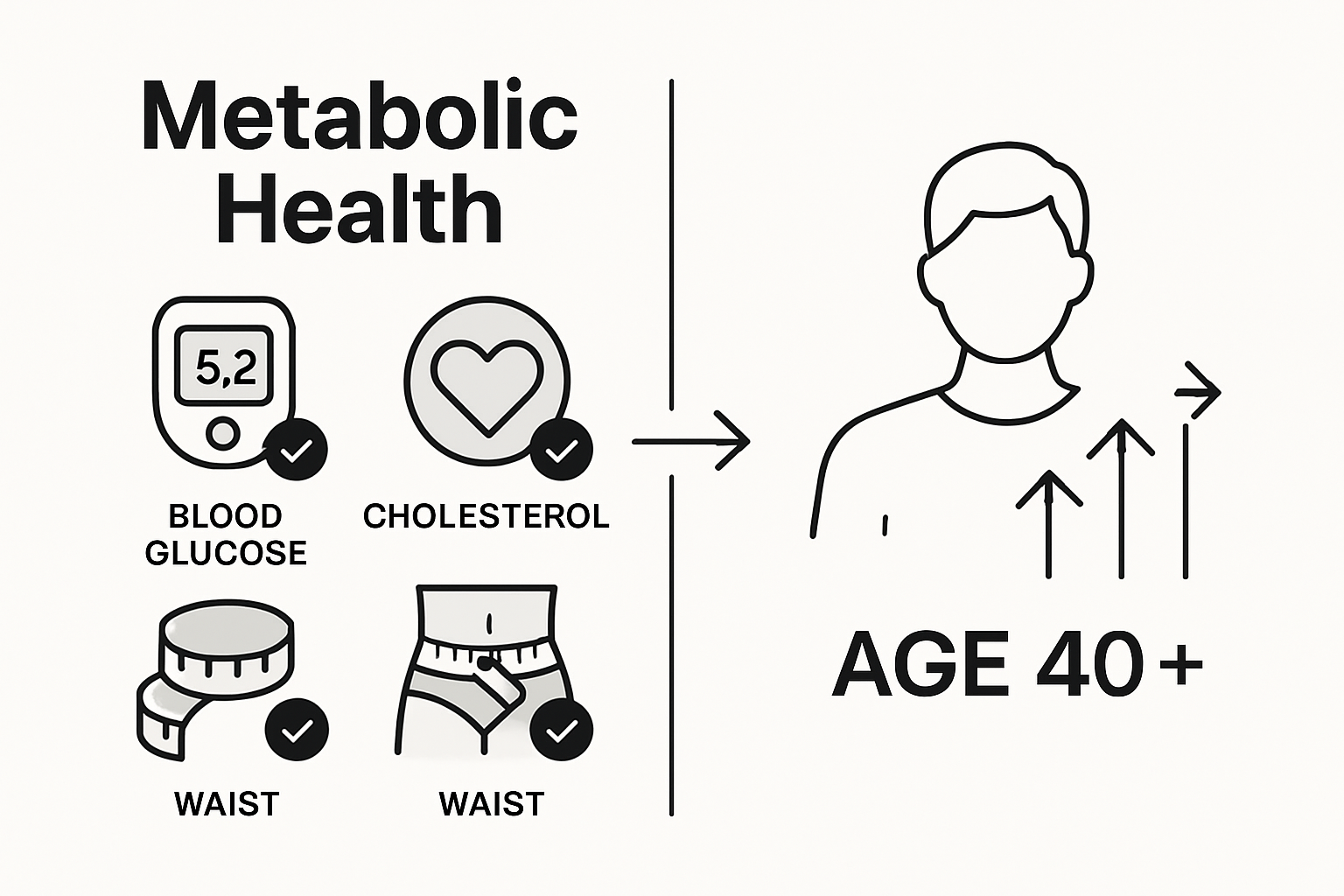
Key Metabolic Markers for Adults Over 40
As adults enter their 40s, tracking specific metabolic markers becomes crucial for understanding overall health and preventing chronic disease. Comprehensive metabolic screening reveals that only 6.8% of American adults maintain optimal metabolic health, highlighting the importance of proactive monitoring and intervention.
Metabolic markers provide a comprehensive snapshot of physiological function, with five key indicators serving as critical health predictors. These essential markers include:
- Fasting Glucose: Levels under 100 mg/dL indicate healthy glucose metabolism
- Triglycerides: Optimal range is under 150 mg/dL
- HDL Cholesterol: Above 50 mg/dL for women, above 40 mg/dL for men
- Waist Circumference: Maximum 35 inches for women, 40 inches for men
- Blood Pressure: Ideal reading is 120/80 mmHg
Body fat composition plays a significant role in metabolic health, with excess abdominal fat being a primary risk factor for metabolic syndrome. Individuals presenting three or more markers outside the recommended range may be diagnosed with metabolic syndrome, which substantially increases risks of cardiovascular disease, diabetes, and other chronic health conditions.

Understanding these markers empowers adults over 40 to make informed lifestyle choices. Regular health screenings, balanced nutrition, consistent physical activity, and stress management can help maintain optimal metabolic function. By proactively monitoring these key indicators, individuals can take control of their metabolic health and reduce the likelihood of developing serious age-related health complications.
Common Misconceptions About Metabolism
Many adults over 40 harbor misconceptions about metabolism that can significantly impact their health and wellness strategies. One pervasive myth is that metabolism is purely determined by genetics or age, when in reality, numerous lifestyle factors play a crucial role in metabolic function. Sleep patterns dramatically influence metabolic health, with poor sleep directly linked to increased risks of obesity and insulin resistance.
Metabolism myths often lead people to adopt ineffective health strategies. Common misconceptions include:
- Believing that metabolism permanently slows down after 40
- Thinking that diet alone can fix metabolic issues
- Assuming all weight gain is inevitable with aging
- Believing intense exercise is the only way to boost metabolism
- Ignoring the impact of stress and sleep on metabolic function
Muscle mass changes represent another critical area of misunderstanding. Research indicates that metabolic transitions are most pronounced during the fourth decade of life, with physiological changes accelerating in ways many people do not anticipate. Contrary to popular belief, metabolism is not a fixed system but a dynamic process that can be significantly influenced by lifestyle choices, nutrition, physical activity, and stress management.
Understanding these nuanced metabolic realities empowers adults to make more informed health decisions. Rather than accepting decline as inevitable, individuals can proactively support their metabolic health through comprehensive approaches that address nutrition, sleep, stress reduction, and targeted physical activity. By dispelling myths and embracing a holistic view of metabolism, adults over 40 can maintain optimal physiological function and prevent age-related metabolic challenges.
Practical Steps to Support Metabolic Health
Combating metabolic challenges requires a strategic and comprehensive approach that goes beyond simple diet and exercise recommendations. Adults over 40 must adopt a holistic framework that addresses multiple aspects of physiological health, recognizing that metabolic wellness is a complex, interconnected system requiring consistent, intentional care.
Metabolic health strategies should incorporate multiple key elements:
- Establish clear, measurable health goals
- Create a structured nutrition plan
- Develop consistent exercise routines
- Prioritize quality sleep
- Manage stress effectively
- Regular health monitoring and screenings
Weight management techniques play a critical role in metabolic support. Experts recommend focusing on sustainable lifestyle modifications rather than temporary interventions. Sleep patterns have a profound impact on metabolic function, with research indicating that adults need at least seven hours of quality sleep to maintain optimal insulin response and metabolic efficiency.
Successful metabolic health management requires a proactive, personalized approach. By implementing targeted strategies that address nutrition, physical activity, sleep, and stress, adults can effectively support their metabolic function. The key is consistency, patience, and a willingness to adapt strategies based on individual physiological responses and ongoing health assessments.
Risks of Poor Metabolic Health in Later Life
Poor metabolic health represents a critical threat to long-term wellness, with profound implications for aging adults. Metabolic syndrome dramatically increases mortality risks for elderly populations, with research revealing a startling 24% increased risk of cardiovascular disease mortality and a 23% elevated risk of overall mortality compared to metabolically healthy individuals.
Metabolic health complications can manifest through multiple serious health challenges:
- Accelerated cardiovascular disease progression
- Increased stroke risk
- Higher probability of type 2 diabetes
- Potential kidney and liver dysfunction
- Compromised immune system resilience
- Reduced quality of life in later years
Midlife nutrition strategies play a crucial role in mitigating these risks. The complex interplay of metabolic markers such as waist circumference, triglyceride levels, HDL cholesterol, blood pressure, and fasting glucose collectively determine an individual’s long-term health trajectory. Adults who ignore these indicators may face compounding health challenges that significantly diminish their quality of life and life expectancy.
Ultimately, understanding and addressing metabolic health is not about fear but empowerment. By recognizing potential risks early, adults can make informed lifestyle modifications that protect their future health. Proactive management, including regular health screenings, balanced nutrition, consistent physical activity, and stress reduction, can substantially mitigate the potential long-term consequences of metabolic dysfunction.
Take Charge of Your Metabolic Health After 40 with Real Healthy Haven
Understanding the complexities of metabolic health after 40 reveals just how important it is to monitor key markers like blood sugar, cholesterol, and waist circumference. If you are feeling overwhelmed by these challenges or concerned about the risks of metabolic syndrome, you are not alone. Many adults face similar struggles, and the good news is that with the right support, you can actively improve your metabolic resilience. Real Healthy Haven offers a curated selection of Vitamins And Supplements example products designed to support balanced blood sugar levels and cardiovascular health, essential factors discussed in the article.

Start your journey toward better metabolic health today by exploring effective supplements, wellness tools, and expert advice at Real Healthy Haven. Taking action now helps you prevent serious complications like type 2 diabetes and heart disease. Don’t wait for symptoms to appear. Empower yourself with the knowledge and products tailored for adults over 40. Visit Real Healthy Haven and take control of your health with confidence.
Frequently Asked Questions
What is metabolic health?
Metabolic health refers to how effectively your body processes nutrients, manages energy, and maintains important physiological functions, including blood sugar regulation, insulin response, cholesterol levels, and inflammation.
Why is metabolic health important after age 40?
Metabolic health is crucial after 40 because natural aging affects cellular efficiency, increasing the likelihood of metabolic dysfunction and related health risks, such as cardiovascular disease and type 2 diabetes.
What are the key indicators of metabolic health for adults over 40?
Key indicators of metabolic health for adults over 40 include fasting glucose levels, triglyceride levels, HDL cholesterol, waist circumference, and blood pressure readings.
How can I improve my metabolic health after 40?
Improving metabolic health can be achieved through a combination of targeted nutrition, regular physical activity, consistent health monitoring, quality sleep, and effective stress management.
Recommended
- Role of Healthy Body Fat—Why It Matters After 40 – Real Healthy Haven
- Complete Guide to Healthy Weight Loss After 40 – Real Healthy Haven
- Complete Guide to Strength After 40: Expert Strategies – Real Healthy Haven
- Role of Nutrition for Adults – Impact on Healthy Aging – Real Healthy Haven
- Understanding Hair Health: The Science Behind It | MyHair
Leave a comment