

Why Gut Health Matters for Healthy Aging

Most American and Canadian adults over 40 face a surprising challenge. As you age, your gut health shifts in ways that can impact everything from energy levels to immunity. Studies show that the trillions of microbes living in your digestive tract are deeply linked with healthy aging. This guide offers practical, science-backed tips to protect and support your gut so you can continue feeling your best and stay active through your wellness journey.
Table of Contents
- Gut Health Defined: The Microbiome Explained
- How Aging Impacts Digestive Health
- Gut Health, Immunity, and Chronic Disease
- Recognizing Gut Imbalances and Common Issues
- Steps for Supporting Gut Health After 40
Key Takeaways
| Point | Details |
|---|---|
| Understanding the Microbiome | The gut microbiome plays a vital role in health by impacting digestion, immunity, and metabolic functions. Maintaining its diversity is critical for overall wellness, particularly for adults over 40. |
| Impact of Aging on Digestion | As one ages, digestive enzyme production declines and gut bacteria balance shifts, complicating nutrient absorption and digestive health. Strategic nutritional approaches and lifestyle modifications are recommended. |
| Gut Health and Chronic Disease | A healthy gut microbiome modulates immune responses, which is important for preventing chronic diseases such as diabetes and heart disease. Diet and lifestyle choices significantly influence microbial diversity and immune function. |
| Recognizing Gut Imbalances | Awareness of gut health symptoms like bloating and irregular movements is essential for early intervention. Consulting healthcare providers and tracking diet can help manage potential issues effectively. |
Gut Health Defined: The Microbiome Explained
Your gut is far more than just a digestive system - it’s a complex ecosystem hosting trillions of microscopic organisms that play a critical role in your overall health. The microbiome is a fascinating community of bacteria, fungi, viruses, and protozoans that inhabit your digestive tract, working together in a delicate and sophisticated balance.
This intricate microbial network does much more than simply process food. Microbiome diversity represents a powerful biological system that communicates directly with your immune cells, influences metabolic functions, and helps protect your body from harmful pathogens. Canadian adults over 40 should understand that these microorganisms are not just passive residents but active participants in maintaining health.
The composition of your gut microbiome is unique, like a personalized internal fingerprint that changes throughout your lifetime. Advanced sequencing technologies have revealed how these microbial communities interact with human physiology, demonstrating that some microbes help break down complex carbohydrates, while others play crucial roles in developing and regulating immune responses. Think of your gut microbiome as a sophisticated internal ecosystem where different microbial species collaborate and compete, ultimately supporting your overall wellness.
Pro tip: Take a comprehensive probiotic supplement and consume fermented foods like yogurt and kefir to support your gut microbiome’s health and diversity.
How Aging Impacts Digestive Health
As Canadian adults enter their 40s and beyond, digestive health undergoes significant transformations that can dramatically impact overall wellness. Physiological changes gradually reduce stomach acid production and slow digestive motility, creating complex challenges for nutrient absorption and metabolic function.

These age-related digestive shifts manifest through multiple interconnected mechanisms. Digestive enzyme production declines, weakening the body’s ability to break down foods efficiently. Muscle contractions in the digestive tract become less robust, which can lead to slower transit times and increased risk of issues like constipation. The intricate balance of gut bacteria also shifts, potentially compromising immune responses and increasing vulnerability to inflammatory conditions.
Nutritional absorption becomes increasingly complicated with advancing age, particularly for critical minerals like calcium and iron. Specific challenges emerge, including reduced stomach acid that impairs protein digestion, decreased pancreatic enzyme production, and changes in gut microbiome composition. These metabolic alterations mean that older adults may require more strategic nutritional approaches to maintain optimal digestive health and prevent potential nutrient deficiencies.
Pro tip: Consider consulting a nutritionist to develop a personalized digestive health strategy that addresses age-related changes and supports your unique nutritional needs.
Gut Health, Immunity, and Chronic Disease
The relationship between gut health and immune function represents a critical frontier in understanding how our body defends itself against chronic diseases. The gut microbiome acts as a sophisticated biological shield, producing essential vitamins and regulating inflammatory responses that can significantly impact long-term health outcomes.
Beyond simple digestion, the microbiome ecosystem plays a complex role in modulating immune responses. Beneficial bacteria communicate directly with immune cells, helping distinguish between harmful pathogens and harmless molecules. This intricate communication system prevents overreactive immune responses that can lead to chronic inflammation - a fundamental driver of conditions like diabetes, heart disease, and autoimmune disorders.
For Canadian adults over 40, maintaining a balanced gut microbiome becomes increasingly important. Lifestyle factors such as diet, stress management, and physical activity profoundly influence microbial diversity. A diet rich in prebiotics, probiotics, and diverse plant-based nutrients can help cultivate a resilient microbiome capable of supporting robust immune function and reducing systemic inflammation. Understanding this connection empowers individuals to make proactive choices that support their long-term health and wellness.
Pro tip: Incorporate fermented foods like kimchi, kefir, and sauerkraut into your diet to naturally support gut microbiome diversity and immune system health.
Recognizing Gut Imbalances and Common Issues
For Canadian adults over 40, understanding the subtle signs of gut health disruption becomes increasingly critical. Blood tests and diagnostic markers can reveal underlying gut imbalances through comprehensive analysis of inflammation, nutrient levels, and immune responses, providing crucial insights into potential digestive dysfunction.
The gastrointestinal warning signs are diverse and often interconnected. Common indicators include persistent bloating, irregular bowel movements, unexpected weight changes, chronic fatigue, and unexplained digestive discomfort. Specific conditions like irritable bowel syndrome, gastroesophageal reflux disease, and inflammatory bowel disorders represent more complex manifestations of gut health challenges, each requiring targeted diagnostic and management approaches.
Here’s a quick overview of common signs of gut imbalance and their potential causes:
| Gut Health Symptom | Possible Underlying Cause | Typical Impact |
|---|---|---|
| Persistent bloating | Altered gut bacteria | Discomfort, reduced nutrient absorption |
| Irregular bowel movements | Low digestive enzymes | Constipation or diarrhea |
| Unexplained weight changes | Microbiome disruption | Weight gain or loss |
| Chronic fatigue | Nutrient malabsorption | Low energy, poor immunity |
| Digestive discomfort | Inflammation or infection | Pain, inflammation risk |
Recognizing these imbalances requires a holistic understanding of how diet, stress, medications, and lifestyle factors interact with your digestive system. Chronic inflammation, nutrient malabsorption, and disrupted microbiome diversity can contribute to a cascade of health complications. Paying attention to your body’s signals, maintaining a food diary, and consulting healthcare professionals can help identify and address potential gut health issues before they escalate into more serious conditions.
Pro tip: Schedule an annual comprehensive gut health checkup with your healthcare provider, including detailed blood work and discussing any persistent digestive symptoms.
Steps for Supporting Gut Health After 40
Maintaining a healthy gut microbiome becomes increasingly critical as Canadian adults enter their 40s, with significant physiological changes impacting digestive function and overall wellness. The natural decline in microbiome diversity requires intentional, strategic approaches to support digestive health and prevent age-related complications.
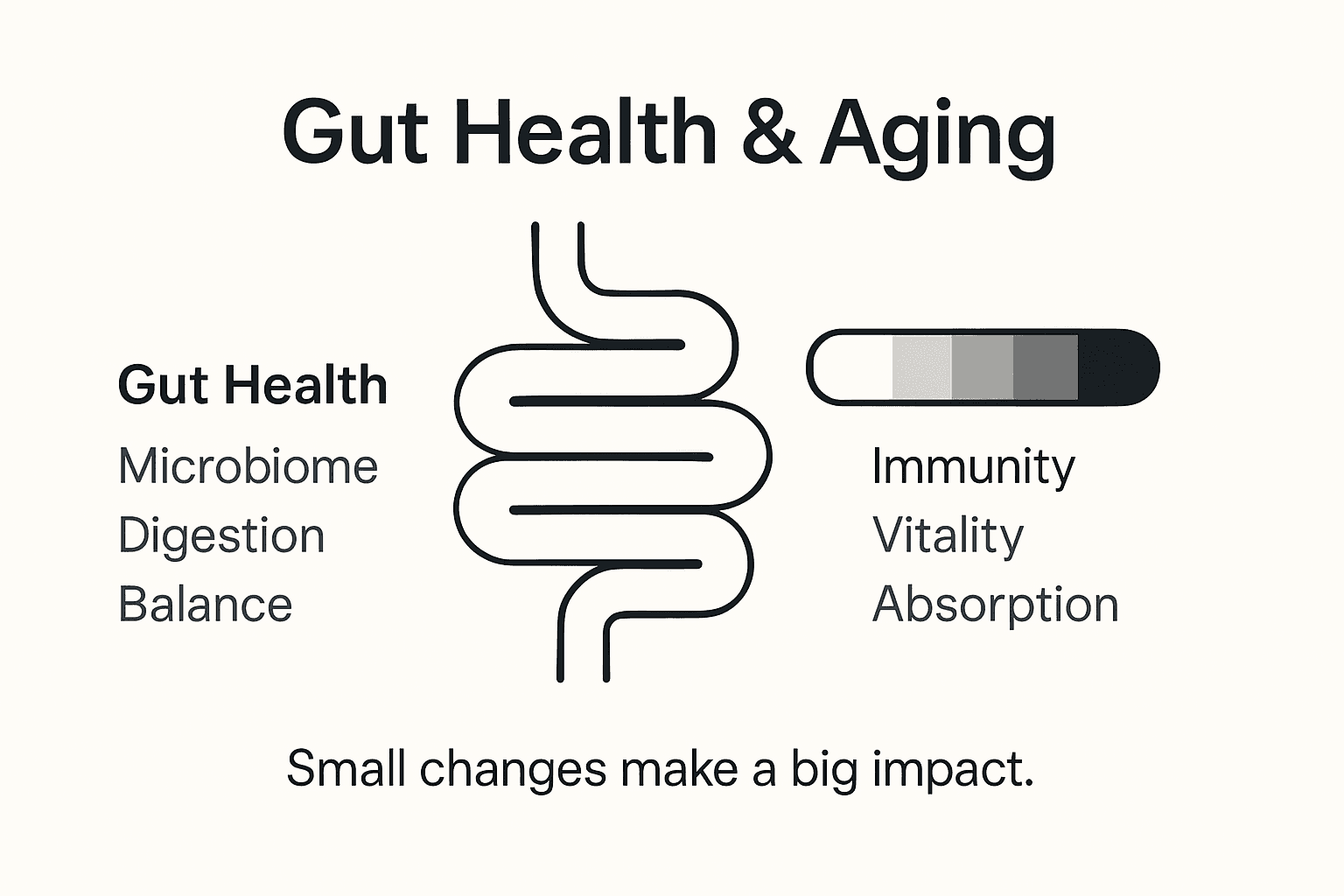
A comprehensive gut health strategy involves multiple interconnected lifestyle interventions. Dietary modifications play a crucial role, emphasizing whole foods rich in prebiotics and probiotics. This includes increasing fiber intake through vegetables, fruits, whole grains, and incorporating fermented foods like yogurt, kimchi, and kefir. Regular physical activity, stress management techniques such as meditation, and maintaining proper hydration become essential components of supporting gut microbiome resilience.
The following table summarizes essential steps for supporting gut health after age 40:
| Strategy | Benefit | Simple Implementation |
|---|---|---|
| Increase fiber intake | Supports beneficial bacteria | Add vegetables and whole grains |
| Include fermented foods | Enhances microbial diversity | Use yogurt or sauerkraut daily |
| Manage stress | Reduces inflammation risk | Practice meditation or yoga |
| Stay hydrated | Eases digestion | Drink water throughout day |
| Regular physical activity | Promotes gut motility | Take daily walks or exercise |
Hormonal changes, particularly during perimenopause, can significantly impact gut function and microbiome composition, creating unique challenges for women over 40. Understanding these biological shifts allows for more targeted interventions, including potential supplementation, dietary adjustments, and lifestyle modifications that support digestive health and overall immune function. Consulting healthcare professionals can provide personalized insights into managing these complex physiological transitions.
Pro tip: Consider keeping a detailed food and symptom journal to identify potential gut health triggers and discuss patterns with your healthcare provider during annual checkups.
Support Your Gut Health for Vibrant Aging Today
Maintaining a balanced gut microbiome is essential for Canadian adults over 40 who want to age with vitality and resilience. The article highlights challenges like reduced digestive enzyme production, shifting microbiome diversity, and nutrient absorption difficulties that can impact your energy and immune system. Taking proactive steps with targeted vitamins and supplements can help restore this delicate balance and support your digestive health journey.

Discover a curated selection of high-quality vitamins and supplements designed specifically for adults 40 plus. At Real Healthy Haven, you can find trusted wellness products that address digestive health concerns and promote healthy aging. Don’t wait for gut imbalances to take a toll on your wellbeing. Act now and reinforce your digestive system with expert-approved supplements and personalized support available on our site.
Frequently Asked Questions
What is the microbiome and why is it important for gut health?
The microbiome is a complex ecosystem of trillions of microorganisms, including bacteria, fungi, and viruses, that reside in the gut. It plays a vital role in digestion, immune function, and overall health by influencing metabolic processes and protecting against harmful pathogens.
How does aging affect gut health and digestive function?
As individuals age, changes such as reduced stomach acid production, slower digestive motility, and shifts in the gut microbiome can impair nutrient absorption and digestive efficiency, leading to potential health issues like constipation and nutrient deficiencies.
What are common signs of gut health imbalances I should look for?
Common signs of gut imbalances include persistent bloating, irregular bowel movements, unexplained weight changes, chronic fatigue, and digestive discomfort. Recognizing these symptoms can help address underlying issues more effectively.
What steps can I take to support my gut health as I age?
To maintain gut health after 40, focus on a balanced diet rich in fiber and fermented foods, manage stress through relaxation techniques, stay hydrated, and engage in regular physical activity. Consulting healthcare professionals can also help tailor strategies to your specific needs.
Recommended
- 7 Essential Supplements Checklist for Women 40+ – Real Healthy Haven
- Complete Guide to Defining Healthy Aging – Real Healthy Haven
- Defining Metabolic Health – Why It Matters After 40 – Real Healthy Haven
- Role of Healthy Body Fat—Why It Matters After 40 – Real Healthy Haven
- Darmgesundheit beim Hund: Wie Probiotika und Präbiotika die Verdauung unterstützen – Blake & Benson
- Ancient Grains & Your Gut: A Natural Partnership for Better Health – Granavitalis
Leave a comment