

What Is Heart Health and Why It Matters After 40

Most American adults over 40 face an elevated risk of heart disease as they age, with more than half developing high blood pressure by midlife. Heart health takes on a new urgency during these years, as subtle changes in the body can silently increase the likelihood of complications. This guide sheds light on the essential factors every American needs to know to maintain strong cardiovascular health and protect their well-being in their prime years.
Table of Contents
- Defining Heart Health for Adults Over 40
- How the Heart Functions and Main Risk Factors
- Common Heart Conditions in Mature Adults
- Recognizing Symptoms and Early Warning Signs
- Essential Lifestyle Changes for Heart Protection
- Monitoring, Products, and Support Options in Canada
Key Takeaways
| Point | Details |
|---|---|
| Heart Health Monitoring is Essential | Adults over 40 should regularly monitor blood pressure, cholesterol, and cardiovascular performance to prevent heart disease. |
| Lifestyle Modifications are Critical | Adopting a balanced diet, consistent exercise, and stress management enhances heart health and reduces risks. |
| Recognizing Warning Signs is Vital | Understanding symptoms like chest discomfort and unexplained fatigue can lead to early intervention and improved outcomes. |
| Leverage Technology for Support | Utilize wearable devices and digital health platforms for ongoing heart health monitoring and management. |
Defining Heart Health for Adults Over 40
Heart health represents a comprehensive approach to maintaining cardiovascular wellness, particularly critical for adults transitioning through midlife. Heart disease prevention becomes increasingly important as metabolic changes and lifestyle factors accumulate over time. Specifically, heart health encompasses understanding the complex interactions between your cardiovascular system, lifestyle choices, and potential medical risks.
For adults over 40, heart health involves monitoring multiple critical factors: blood pressure, cholesterol levels, arterial health, and overall cardiovascular performance. Ischemic heart disease represents a significant risk, characterized by plaque buildup in heart arteries that can potentially lead to serious medical events like heart attack or stroke. Understanding these dynamics helps individuals take proactive steps toward maintaining robust cardiovascular function.
Key components of heart health for mature adults include:
- Regular cardiovascular screenings
- Maintaining a balanced nutrition profile
- Engaging in consistent physical activity
- Managing stress levels
- Monitoring key health metrics like blood pressure and cholesterol
Prevention strategies become paramount after 40, when metabolic changes can accelerate cardiovascular risks. By developing a comprehensive understanding of heart health mechanics, adults can implement targeted lifestyle modifications that support long term cardiovascular wellness and reduce potential medical complications.
How the Heart Functions and Main Risk Factors
The human heart operates as a sophisticated biological pump, continuously circulating blood throughout the body’s intricate cardiovascular system. This muscular organ beats approximately 100,000 times daily, pushing oxygen-rich blood through arteries, veins, and capillaries to nourish every cell and tissue. Its remarkable efficiency allows it to transport essential nutrients, remove metabolic waste, and maintain critical physiological processes.
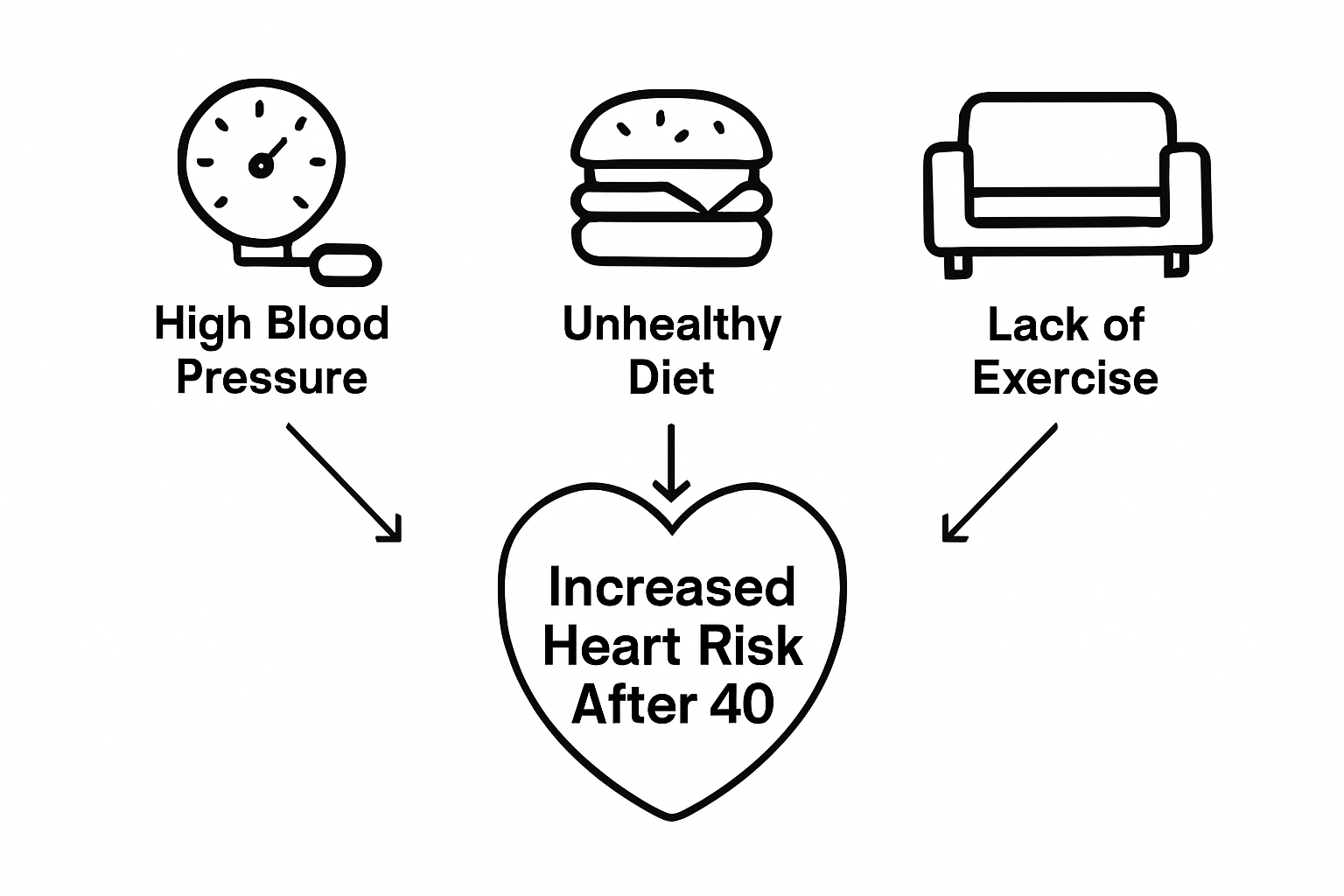
Risk factors for heart health become increasingly complex as adults age, particularly after 40. Medical research identifies several critical contributors that can compromise cardiovascular performance, including:
- Genetic predispositions
- Sedentary lifestyle patterns
- Chronic stress
- Poor dietary habits
- Smoking and excessive alcohol consumption
- Underlying medical conditions like diabetes and hypertension
Understanding the interconnected nature of these risk factors is crucial for proactive heart health management. Metabolic changes occurring naturally with aging can amplify cardiovascular vulnerabilities, making lifestyle interventions and regular medical screenings essential strategies for maintaining optimal heart function. By recognizing early warning signs and implementing targeted preventative measures, adults can significantly reduce their risk of developing serious heart-related complications.

Physiological monitoring becomes increasingly important as individuals progress through midlife. Tracking key indicators such as blood pressure, cholesterol levels, resting heart rate, and overall cardiovascular performance provides valuable insights into personal heart health. These metrics help healthcare professionals develop personalized intervention strategies that address individual risk profiles and support long-term cardiac wellness.
Common Heart Conditions in Mature Adults
As adults progress through midlife, understanding potential cardiovascular conditions becomes increasingly critical for proactive health management. Several heart-related medical conditions can significantly impact quality of life, with some presenting subtle symptoms that require careful monitoring and professional medical intervention.
The most prevalent heart conditions affecting mature adults include:
- Heart Attack: Occurs when blood flow to the heart muscle is blocked
- Heart Failure: Progressive condition where the heart cannot pump blood efficiently
- Atrial Fibrillation: Irregular heart rhythm that can increase stroke risk
- High Blood Pressure: Silent condition that damages arterial walls over time
- Coronary Artery Disease: Narrowing of heart’s primary blood vessels
Diagnostic awareness plays a crucial role in managing these conditions. Medical research highlights the importance of early detection and intervention in preventing serious cardiovascular complications. Regular medical screenings, understanding individual risk factors, and maintaining a proactive approach to heart health can significantly reduce the likelihood of developing these potentially life-threatening conditions.
Mature adults should prioritize comprehensive cardiovascular assessments, which typically include detailed medical history reviews, physical examinations, blood tests, and potentially advanced diagnostic procedures like electrocardiograms or stress tests. By establishing a collaborative relationship with healthcare providers and maintaining consistent health monitoring, individuals can develop personalized strategies to mitigate risks and maintain optimal heart function throughout their later years.
Recognizing Symptoms and Early Warning Signs
Understanding heart health warning signals can mean the difference between early intervention and serious medical complications. For adults over 40, recognizing subtle changes in cardiovascular function requires heightened awareness and proactive monitoring of bodily signals that might indicate underlying heart issues.
Critical symptoms demanding immediate medical attention include:
- Chest Discomfort: Pressure, squeezing, or pain in the chest
- Breathing Difficulties: Unexpected shortness of breath during normal activities
- Unexplained Fatigue: Persistent exhaustion not linked to exertion
- Irregular Heartbeats: Sudden racing or unusual heart rhythms
- Radiating Pain: Discomfort spreading to arms, neck, jaw, or back
Neurological warning signs can also indicate potential cardiovascular emergencies. These may include sudden confusion, difficulty speaking, unexpected numbness on one side of the body, or severe unexplained headaches. Rapid recognition of these symptoms is crucial, as timely medical intervention can significantly improve outcomes and potentially prevent long-term damage.
Mature adults should develop a personalized approach to symptom monitoring, which includes maintaining regular medical checkups, tracking personal health metrics, and staying attuned to subtle bodily changes. Keeping a detailed health journal, understanding individual risk factors, and maintaining open communication with healthcare providers can transform potential health risks into manageable, treatable conditions.
Essential Lifestyle Changes for Heart Protection
Protecting heart health after 40 requires a comprehensive approach to lifestyle modifications that address multiple aspects of personal wellness. The most effective heart protection strategies involve intentional, sustainable changes that can significantly reduce cardiovascular risk and improve overall physiological function.
Key lifestyle changes for heart protection include:
- Nutrition Optimization: Reducing saturated fat intake
- Physical Activity: Engaging in regular cardiovascular exercise
- Stress Management: Implementing consistent relaxation techniques
- Weight Control: Maintaining a healthy body mass index
- Smoking Cessation: Eliminating tobacco and nicotine consumption
- Sleep Hygiene: Establishing consistent, quality sleep patterns
Physical activity emerges as a cornerstone of heart health, with experts recommending at least 150 minutes of moderate-intensity exercise weekly. Cardiovascular conditioning can include activities like brisk walking, swimming, cycling, or structured fitness classes designed for mature adults. These activities not only strengthen heart muscles but also improve metabolic function, reduce inflammation, and enhance overall physiological resilience.
Adults over 40 should approach lifestyle transformation as a holistic journey, recognizing that small, consistent changes can yield profound long-term health benefits. Consulting with healthcare professionals, developing personalized wellness plans, and maintaining a proactive approach to self-care can transform potential health risks into opportunities for vibrant, sustained well-being.
Monitoring, Products, and Support Options in Canada
Canadian adults over 40 have access to an expanding ecosystem of heart health monitoring resources designed to provide comprehensive cardiovascular support and preventative care. Technological advancements and specialized healthcare networks have transformed how individuals can track, understand, and proactively manage their heart health through innovative products, professional services, and digital tools.
Critical monitoring and support options include:
- Wearable Health Devices: Continuous heart rate and activity tracking
- Professional Cardiac Screenings: Comprehensive diagnostic assessments
- Digital Health Platforms: Remote monitoring and consultation services
- Telehealth Consultations: Virtual cardiac care and expert guidance
- Personal Health Tracking Apps: Real-time cardiovascular metrics monitoring
- Community Support Programs: Group education and wellness initiatives
National health organizations provide crucial resources specifically tailored for mature adults, offering targeted support through educational materials, risk assessment tools, and specialized healthcare guidance. These platforms bridge the gap between individual health management and professional medical oversight, empowering adults to take proactive steps in maintaining cardiovascular wellness.
Modern heart health support transcends traditional medical approaches, integrating technological innovation with personalized care strategies. By leveraging advanced monitoring tools, accessing expert resources, and maintaining consistent communication with healthcare professionals, Canadian adults can develop comprehensive, individualized approaches to heart health that adapt to their unique physiological needs and lifestyle considerations.
Take Control of Your Heart Health Today
As the article highlights, key challenges for adults over 40 include managing risk factors like blood pressure, cholesterol, and stress through consistent lifestyle changes. You want effective tools to track your heart’s performance and support your wellness journey. At RealHealthyHaven.com, we understand how important it is to combine knowledge with action by offering curated fitness gear, reliable health monitors, and wellness supplements designed specifically for mature adults in Canada.

Empower yourself to stay proactive and protect your cardiovascular health with products trusted by many who share your goals. Visit Real Healthy Haven now to explore our selection and benefit from expert support. Don’t wait until symptoms appear. Start your personalized heart health journey today with RealHealthyHaven.com, where healthy aging meets practical solutions.
Frequently Asked Questions
What are the key components of heart health for adults over 40?
Key components of heart health for adults over 40 include regular cardiovascular screenings, maintaining a balanced nutrition profile, engaging in consistent physical activity, managing stress levels, and monitoring key health metrics like blood pressure and cholesterol.
What are some common heart conditions that affect mature adults?
Common heart conditions in mature adults include heart attack, heart failure, atrial fibrillation, high blood pressure, and coronary artery disease. Early detection and management are essential for maintaining heart health.
How can lifestyle changes protect heart health after 40?
To protect heart health after 40, individuals can optimize their nutrition, engage in regular physical activity, manage stress, control weight, quit smoking, and establish good sleep hygiene. These changes contribute to reducing cardiovascular risk and improving overall health.
What are the warning signs of potential heart issues in adults over 40?
Warning signs that demand immediate medical attention include chest discomfort, breathing difficulties, unexplained fatigue, irregular heartbeats, and radiating pain in the arms, neck, jaw, or back. Recognizing these symptoms early can lead to timely intervention.
Leave a comment