

What Is Emotional Wellness and Why It Matters

Most American adults will experience emotional struggles at some point, yet nearly half believe emotional wellness means being happy all the time. This misunderstanding can prevent people from building true resilience and meaningful relationships. Studies show emotional wellness protects against disease and improves quality of life at every age. Understanding what emotional wellness really means and clearing up common myths gives you tools to better manage emotions, strengthen connections, and find genuine purpose.
Table of Contents
- Defining Emotional Wellness And Common Myths
- Types Of Emotional Wellness In Adulthood
- Key Benefits For Adults Over 40
- Influences On Emotional Well-Being
- Building And Maintaining Emotional Wellness
Key Takeaways
| Point | Details |
|---|---|
| Emotional Wellness is Complex | It involves understanding, managing emotions, and fostering supportive relationships, rather than just feeling happy. |
| Importance of Resilience | Building emotional wellness enhances stress management and adaptability during life’s challenges. |
| Aging and Emotional Well-Being | Emotional wellness becomes crucial in midlife, contributing to improved physical health and life satisfaction. |
| Influences on Emotional Health | Factors like physical health, social connections, and stress management play key roles in shaping emotional well-being. |
Defining Emotional Wellness and Common Myths
Emotional wellness represents far more than just feeling happy. It is a complex psychological state involving your capacity to understand, process, and manage emotions effectively while maintaining healthy interpersonal connections. The Centers for Disease Control defines emotional well-being as the ability to manage emotions, discover personal meaning, and sustain supportive relationships that contribute to overall health and disease prevention.
Many people misunderstand emotional wellness, believing it means constant positivity or an absence of challenging feelings. In reality, emotional wellness involves recognizing and accepting the full spectrum of human emotions. Research from the Pew Charitable Trusts highlights that mental health challenges are widespread, debunking the myth that only individuals with severe psychological conditions experience emotional struggles. Emotional wellness is about developing resilience, self-awareness, and healthy coping mechanisms.
Key characteristics of emotional wellness include:
- Understanding and accepting your emotional experiences
- Developing effective stress management techniques
- Maintaining positive and supportive relationships
- Practicing self-compassion and emotional regulation
- Adapting to life changes with flexibility and grace
Pro Tip - Emotional Wellness Practice: Dedicate 10 minutes daily to emotional reflection through journaling or mindfulness meditation, which can significantly improve your emotional intelligence and overall psychological well-being.
Types of Emotional Wellness in Adulthood
Emotional wellness during adulthood is a multifaceted journey that encompasses various interconnected dimensions of psychological health. The National Institutes of Health’s Emotional Wellness Toolkit highlights several critical strategies for maintaining emotional balance and resilience throughout different life stages.
According to research from the University of North Dakota, emotional wellness in adulthood can be categorized into distinct but overlapping types. Key aspects of emotional wellness include:
- Self-Awareness: Understanding personal emotions, triggers, and psychological patterns
- Emotional Regulation: Managing intense feelings constructively
- Resilience: Adapting effectively to stress and life challenges
- Relationship Management: Developing and maintaining supportive interpersonal connections
- Purpose and Meaning: Cultivating a sense of direction and personal significance
Each type of emotional wellness contributes to overall psychological health, helping adults navigate complex personal and professional landscapes. While these dimensions might seem distinct, they frequently interact and reinforce one another. Emotional wellness is not about achieving a perfect emotional state but about developing flexible, responsive strategies for managing life’s inevitable ups and downs.
To better understand the dimensions of emotional wellness, here’s a summary table distinguishing key types and how they interact:
| Type of Emotional Wellness | Focus Area | Positive Impact |
|---|---|---|
| Self-Awareness | Recognizing emotions and triggers | Enables better decision-making |
| Emotional Regulation | Managing feelings constructively | Reduces impulsive reactions |
| Resilience | Adapting to stress and change | Promotes long-term well-being |
| Relationship Management | Nurturing healthy connections | Enhances social satisfaction |
| Purpose and Meaning | Cultivating life direction | Increases motivation and fulfillment |
Pro Tip - Emotional Wellness Assessment: Schedule a quarterly self-reflection session to evaluate your emotional wellness across these different dimensions, identifying areas of strength and opportunities for personal growth.
Key Benefits for Adults Over 40
Emotional wellness becomes increasingly critical as we age, offering profound benefits that extend far beyond simple mental health management. Research from the National Institutes of Health highlights that emotional well-being can dramatically improve overall life quality for adults navigating midlife transitions and challenges.
The key benefits of emotional wellness for adults over 40 include:
- Enhanced Stress Resilience: Better ability to manage life’s complex challenges
- Improved Physical Health: Reduced risk of stress-related medical conditions
- Stronger Relationship Dynamics: More authentic and meaningful personal connections
- Greater Life Satisfaction: Increased sense of purpose and personal fulfillment
- Cognitive Flexibility: Improved adaptability and emotional intelligence
The Centers for Disease Control emphasizes that maintaining emotional wellness can significantly lower the risk of disease and injury, making it a critical component of healthy aging. Adults who prioritize emotional wellness experience more stable mental states, better interpersonal relationships, and a more positive outlook on life’s inevitable changes.

Pro Tip - Emotional Wellness Investment: Commit to 15 minutes of daily self-reflection or mindfulness practice, treating your emotional health as a valuable long-term investment in your overall well-being.
Influences on Emotional Well-Being
Emotional wellness is a complex interplay of multiple internal and external factors that shape our psychological landscape. The National Institutes of Health identifies several critical influences that significantly impact our mental and emotional health throughout adulthood.
Key influences on emotional well-being include:
- Physical Health: Overall physical condition and energy levels
- Social Connections: Quality and depth of interpersonal relationships
- Sleep Patterns: Consistency and quality of rest
- Stress Management: Ability to process and navigate life challenges
- Personal Lifestyle Choices: Diet, exercise, and self-care practices
Research from the University of New Hampshire reveals that body image, communication skills, and stress resilience play pivotal roles in determining emotional wellness. These interconnected factors create a dynamic ecosystem of psychological health, where improvements in one area can positively influence others. Understanding these influences empowers individuals to make intentional choices that support their emotional well-being.
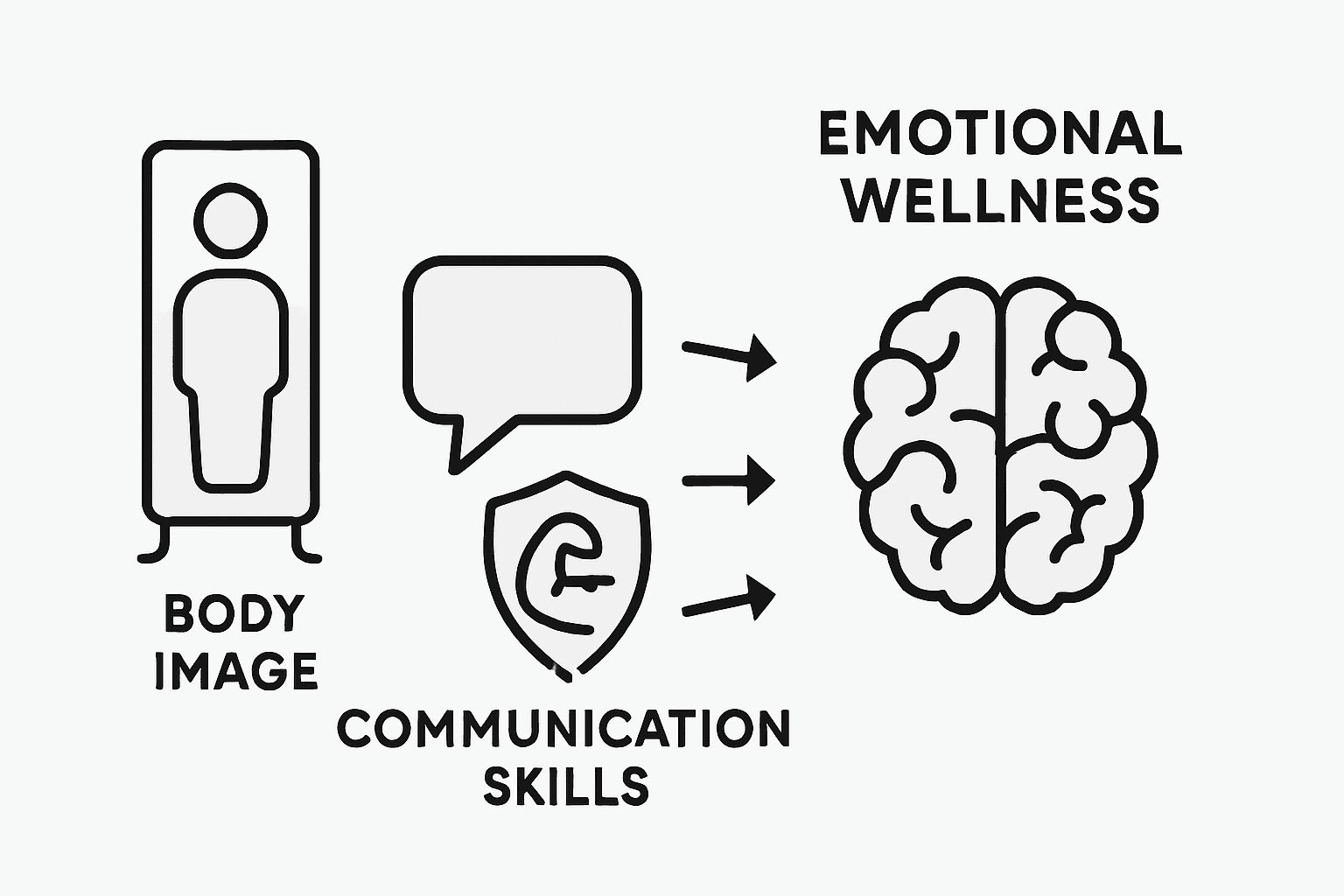
Here’s a quick comparison of major influences on emotional well-being and practical ways to address each:
| Influence | Example Risk Factor | Recommended Action |
|---|---|---|
| Physical Health | Chronic illness | Prioritize regular medical checkups |
| Social Connections | Loneliness | Schedule regular time with friends |
| Sleep Patterns | Irregular sleep schedule | Adopt consistent bedtime routine |
| Stress Management | Work or family pressures | Practice relaxation techniques |
| Lifestyle Choices | Poor diet, inactivity | Create a balanced wellness plan |
Pro Tip - Holistic Wellness Assessment: Conduct a monthly self-audit of your emotional wellness influences, identifying areas for targeted improvement and personal growth.
Building and Maintaining Emotional Wellness
Emotional wellness requires intentional, consistent effort and a comprehensive approach to personal growth and self-care. The National Institutes of Health outlines strategic approaches for developing emotional resilience that can transform how we navigate life’s challenges.
Key strategies for building and maintaining emotional wellness include:
- Mindfulness Practice: Regular meditation and self-reflection
- Physical Activity: Consistent exercise to release endorphins
- Healthy Relationships: Cultivating supportive social connections
- Stress Management: Developing adaptive coping mechanisms
- Professional Support: Seeking counseling or therapy when needed
Research from the University of New Hampshire emphasizes the importance of proactive self-care practices in maintaining emotional balance. This involves creating personalized strategies that address individual needs, recognizing that emotional wellness is not a destination but a continuous journey of growth, adaptation, and self-understanding. By integrating these approaches, adults can develop greater emotional resilience and improve overall psychological well-being.
Pro Tip - Emotional Wellness Checkpoint: Schedule a quarterly personal wellness review, assessing your emotional health, identifying areas for improvement, and adjusting your self-care strategies accordingly.
Elevate Your Emotional Wellness with Tailored Support for Adults Over 40
Emotional wellness is a vital part of healthy aging, especially when managing stress, building resilience, and maintaining meaningful relationships become more important than ever. If you want to strengthen your emotional regulation and self-awareness while adapting to life changes with confidence, investing in the right wellness tools can make a significant difference. At Real Healthy Haven, we specialize in fitness and wellness products designed specifically for adults aged 40 and above in Canada, supporting your holistic approach to emotional and physical well-being.

Explore our carefully curated selection of health monitors to track your physical and emotional health indicators, therapeutic supplies to ease stress, and comfortable activewear to encourage regular exercise that boosts mood and resilience. Take the first step toward a healthier emotional balance by visiting our homepage to browse products that complement your self-care routines. Don’t wait to prioritize emotional wellness because every day is an opportunity to build your strength and well-being with Real Healthy Haven.
Frequently Asked Questions
What is emotional wellness?
Emotional wellness is the ability to understand, process, and manage emotions effectively while maintaining healthy relationships. It involves recognizing and accepting a full range of emotions and developing resilience and coping strategies.
Why is emotional wellness important?
Emotional wellness is crucial for overall health as it enhances stress resilience, improves physical health, fosters stronger relationships, and increases life satisfaction. It supports individuals in navigating the complexities of life, particularly during transitions or challenges.
How can I improve my emotional wellness?
You can improve your emotional wellness through mindfulness practices, regular physical activity, nurturing healthy relationships, managing stress, and seeking professional support when needed. Regular self-reflection and assessment can also help in identifying areas for growth.
What are the key characteristics of emotional wellness?
Key characteristics of emotional wellness include self-awareness, effective emotional regulation, resilience, healthy relationship management, and a sense of purpose. Each of these dimensions plays a vital role in maintaining psychological health.
Recommended
- How to Balance Work and Wellness for Healthy Aging Success – Real Healthy Haven
- How to Set Wellness Goals for Healthy Aging Success – Real Healthy Haven
- Role of Sleep in Wellness: Complete Guide for Adults 40+ – Real Healthy Haven
- Dental Wellness Explained: Complete Guide for Adults 40+ – Real Healthy Haven
Leave a comment