

How to Balance Work and Wellness for Healthy Aging Success

Over half of American workers report struggling to balance their wellness goals with demanding schedules. Personal health often takes a back seat to work, yet neglecting well-being can lead to fatigue, stress, and even chronic illness. Understanding your unique priorities and obstacles is the first step toward meaningful change. This guide shows you how to set personalized wellness goals, spot barriers, and integrate practical habits, so you can improve both health and productivity.
Table of Contents
- Step 1: Identify Your Wellness Priorities And Barriers
- Step 2: Assess Your Current Work-Life Routine
- Step 3: Integrate Effective Wellness Habits Into Daily Schedule
- Step 4: Utilize Supportive Products And Technology
- Step 5: Monitor Progress And Adjust Strategies
Quick Summary
| Significant Insight | Explanation |
|---|---|
| 1. Identify Wellness Priorities | Determine what truly matters for your health and recognize obstacles that hinder achieving your wellness goals. |
| 2. Assess Work-Life Routine | Evaluate how you currently allocate time, energy, and resources to both work and personal wellness. |
| 3. Integrate Wellness Habits | Create a structured yet flexible wellness framework that incorporates small health-promoting activities into your daily routine. |
| 4. Utilize Technology for Wellness | Select and use technology tools to track and improve your health management effectively. |
| 5. Monitor Progress and Adjust Strategies | Regularly evaluate your wellness initiatives and be willing to modify your strategies based on your findings. |
Step 1: Identify your wellness priorities and barriers
Balancing wellness and work requires strategic self awareness and intentional planning. Identifying your personal wellness priorities means understanding what truly matters for your health and recognizing the specific obstacles preventing you from achieving optimal well-being.
Start by conducting a comprehensive self assessment that examines your current lifestyle, work demands, and health goals. Social prescribing research from Canadian health studies highlights the importance of understanding individual wellness objectives. Create a detailed inventory of your physical, mental, and emotional health needs by asking yourself key questions: What activities energize me? What aspects of my current routine drain my vitality? What specific health markers am I most concerned about?
Carefully map out the barriers preventing you from achieving your wellness goals. These might include time constraints, work stress, limited resources, or physical limitations. The Canadian Frailty Network’s research emphasizes recognizing personal obstacles as a crucial step in promoting healthy aging. Pro tip: Be brutally honest during this assessment. The more precise you are about your challenges, the more effectively you can design targeted strategies to overcome them.
In the next section, you will learn how to transform these insights into actionable wellness strategies that integrate seamlessly with your professional life.
Step 2: Assess your current work-life routine
Navigating your personal work-life balance requires an honest and comprehensive evaluation of how you currently spend your time, energy, and resources. This step helps you understand the intricate dynamics between your professional responsibilities and personal wellness goals.
Research on work life quality in Atlantic Canadian settings highlights the critical importance of systematically analyzing your daily routine. Begin by creating a detailed time log that tracks your activities across a full week. Document everything from work hours and commute times to personal care, exercise, sleep, and leisure activities. Pay close attention to how each activity impacts your physical and mental energy levels. Are there specific times of day when you feel most productive? When do you experience the most stress? What activities drain versus recharge you?
Insights from Canadian health and social care research emphasize the need for actionable self-assessment. Break down your routine into distinct categories: work commitments, health maintenance, personal relationships, and self care. Use a color-coded system or rating scale to evaluate each area objectively. Pro tip: Be brutally transparent with yourself. The goal is not perfection but understanding your current patterns to create meaningful change.
In the next section, you will learn strategies for strategically redesigning your routine to optimize wellness and professional performance.
Step 3: Integrate effective wellness habits into daily schedule
Transforming your wellness goals from abstract concepts into tangible daily practices requires strategic planning and consistent execution. This step focuses on creating a sustainable framework that seamlessly blends health-promoting activities with your existing work and personal commitments.
Policy research on determinants of healthy aging emphasizes the importance of intentional habit integration. Start by identifying small wellness activities that can be naturally woven into your current routine. This might include taking short walking breaks during work hours, practicing deep breathing between meetings, or doing quick stretching exercises while waiting for your morning coffee. The key is to choose activities that feel manageable and minimally disruptive to your existing schedule.
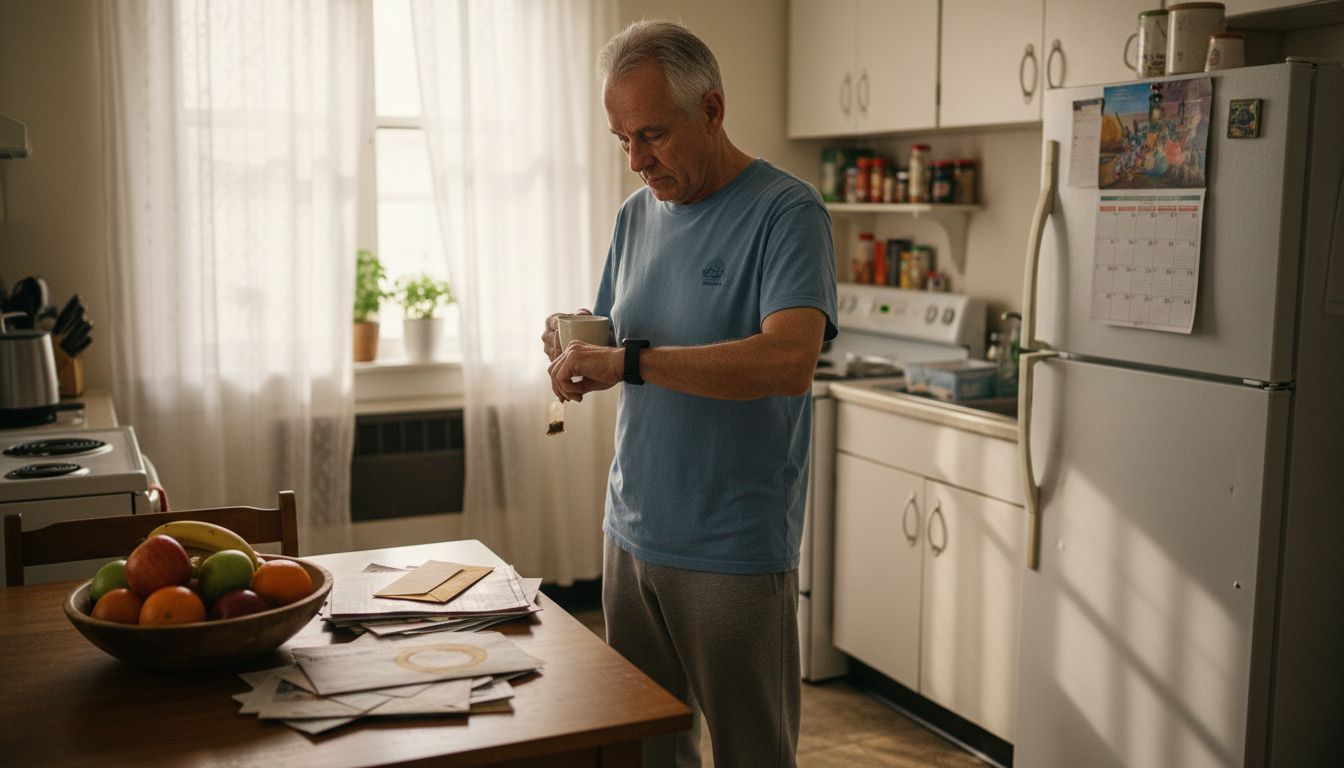
Strategic prevention recommendations from the Canadian Institutes of Health Research suggest creating a structured yet flexible wellness approach. Design a personalized wellness matrix that assigns specific health activities to different times of day. For instance, morning hours might include meditation or light exercise, midday could feature mindful nutrition breaks, and evening times could be reserved for recovery and relaxation activities. Pro tip: Start with just two or three integrated habits and gradually expand. Consistency matters more than perfection.
In the next section, you will learn techniques for monitoring and adjusting your newly integrated wellness routine to ensure long-term success.
Step 4: Utilize supportive products and technology
Modern technology offers powerful tools to enhance wellness and support healthy aging, transforming how we approach personal health management. This step focuses on strategically selecting and integrating technological solutions that can simplify tracking, monitoring, and improving your overall well-being.
Research exploring barriers and design opportunities for healthcare technology reveals innovative ways voice assistants and digital tools can support older adults. Consider exploring smart health monitors that track vital signs, fitness apps with personalized recommendations, wearable devices that measure activity levels, and digital platforms that help you maintain consistent wellness routines. Look for technologies that offer user friendly interfaces, intuitive design, and seamless integration with your existing lifestyle.
Insights from workplace aging research highlight the importance of adaptive technologies that support performance and well-being. Prioritize products that can be easily customized to your specific health needs and comfort levels. Mobility support technologies can be particularly beneficial for maintaining independence and activity. Pro tip: Start with one or two technological tools that address your most pressing wellness concerns, and gradually expand your digital health ecosystem as you become more comfortable.
In the next section, you will learn how to effectively track and adjust your wellness strategies for long-term success.
Step 5: Monitor progress and adjust strategies
Successful wellness integration requires consistent tracking, reflection, and strategic adaptation. This step focuses on developing a flexible approach that allows you to evaluate your progress, recognize patterns, and make informed adjustments to your health and work balance.
Canadian health research on understanding older adult needs emphasizes the critical importance of data driven monitoring. Establish a regular check in schedule where you assess your wellness goals using quantitative and qualitative metrics. This might involve tracking physical measurements, energy levels, stress indicators, and subjective feelings of well being. Use digital tools, journaling, or spreadsheet trackers to record your observations systematically.
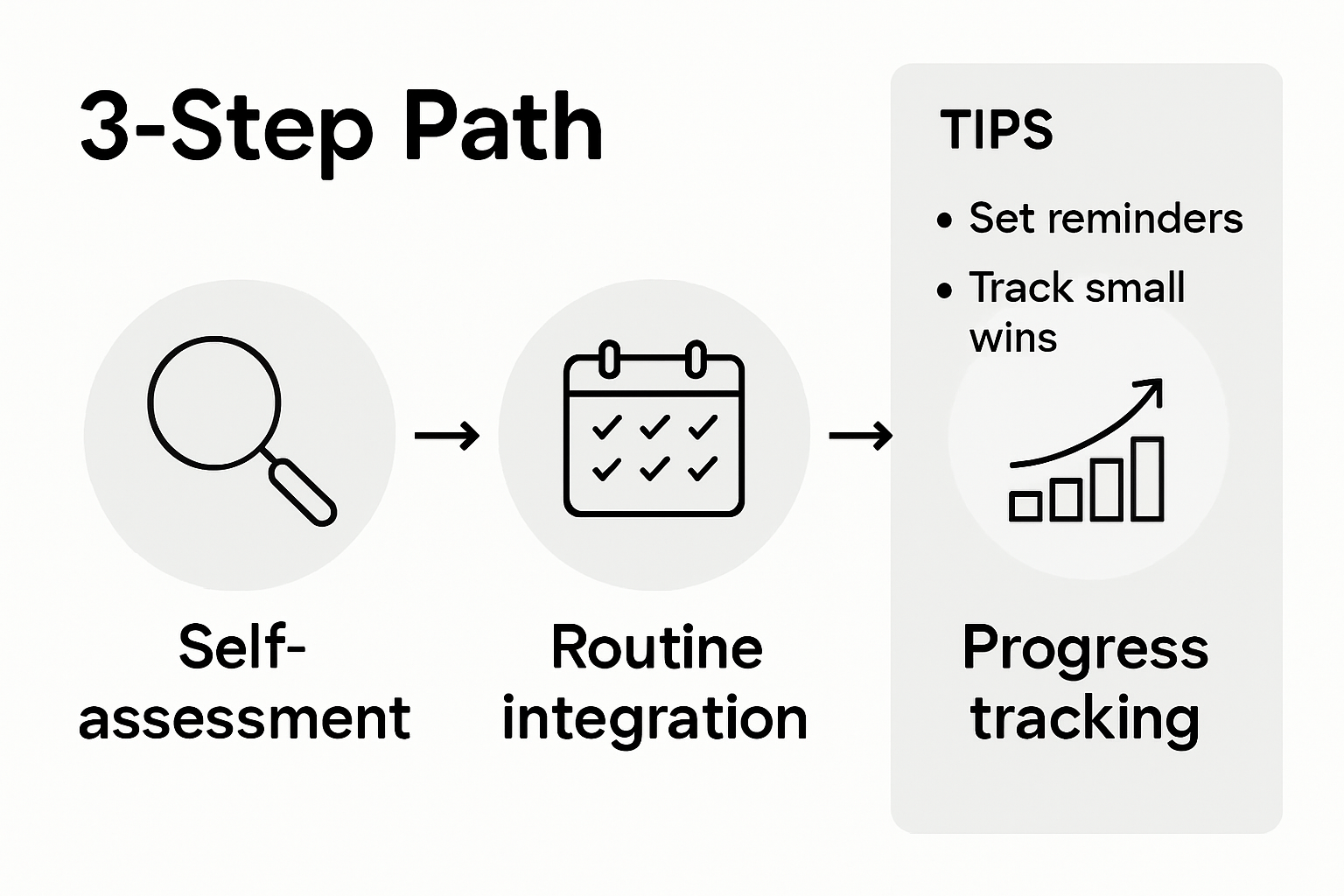
Research on aging and mental health priorities highlights the need for adaptive strategies. Review your progress monthly and be prepared to modify your approach. Pro tip: Approach these reviews with curiosity rather than judgment. Some strategies will work brilliantly, while others might require tweaking or complete reimagining.
In the conclusion, you will synthesize your learnings and create a personalized roadmap for sustained wellness and professional success.
Take Charge of Your Wellness Journey for Healthy Aging Success
Balancing the demands of work with your personal wellness goals can feel overwhelming especially as you focus on healthy aging. The challenges of managing time constraints, work stress, and physical limitations mentioned in the article highlight the urgent need for practical support to integrate effective wellness habits seamlessly into your daily routine. Whether it is maintaining energy levels with proper nutrition or monitoring health markers to adapt your strategies, having the right resources can make all the difference.
Explore our curated range of Vitamins And Supplements example products designed specifically to support adults aged 40 and above. These quality products complement your wellness efforts and provide the essential nutrients to fuel your body and mind.
Unlock your full potential today by visiting Real Healthy Haven and discover wellness solutions tailored for your unique needs. Take the next step towards a balanced work-life and healthier aging by investing in supportive products that empower your daily habits. Act now to start transforming your well-being with trusted tools and expert guidance at your fingertips.
Frequently Asked Questions
How can I identify my wellness priorities related to work?
To identify your wellness priorities, conduct a self-assessment that reviews your current lifestyle and health goals. Ask yourself what energizes you and what drains your energy, and create a list of activities that align with your well-being.
What obstacles should I look for that affect my work-life wellness balance?
Common obstacles include time constraints, work stress, and limited resources. Make a detailed list of these barriers, as recognizing them will help you develop effective strategies to overcome challenges in your wellness journey.
How can I assess my current work-life routine?
Begin by tracking your daily activities for a week to see how you allocate your time. Create a time log documenting work hours, personal care, and leisure activities to better understand your routines and their impact on your energy levels.
What small wellness habits can I integrate into my daily schedule?
Start by incorporating manageable activities like taking short walking breaks during the workday or practicing deep breathing exercises between meetings. Choose two or three habits to implement and gradually expand them to create a sustainable wellness framework.
How should I monitor my progress in balancing work and wellness?
Establish a regular check-in schedule to evaluate your wellness goals using both quantitative metrics and subjective feelings. Keep a journal or use a simple tracker to note your progress and feelings, reviewing it monthly to adapt your strategies as needed.
What technologies can help support my wellness efforts?
Look for user-friendly wellness apps, smart health monitors, or wearable devices that fit your specific health needs. Start with one or two technologies to address your most pressing concerns, gradually adding more tools as you become comfortable with them.
Recommended
- How to Track Wellness Habits for Healthy Aging Success – Real Healthy Haven
- Complete Guide to the Role of Balance Training – Real Healthy Haven
- How to Set Wellness Goals for Healthy Aging Success – Real Healthy Haven
- Complete Guide to Defining Healthy Aging – Real Healthy Haven
- Mastering Healthy Coping Skills at Rehab Centers | Glendora Recovery Center
Leave a comment