

Walking Program Guide for Adults 40+: Step-by-Step Success

More than 145 million American adults include walking as part of their physical activity each year, yet many struggle to turn good intentions into real progress. Starting a walking program sounds simple, but building an effective routine involves more than simply lacing up your sneakers. This guide zeroes in on what every American needs to know, from honest self-assessment and smart goal-setting to choosing the right gear and mapping safe routes, giving you a practical path to lasting fitness.
Table of Contents
- Step 1: Assess Your Fitness Level and Set Realistic Goals
- Step 2: Select Suitable Walking Gear and Track Essentials
- Step 3: Map Out Safe and Enjoyable Walking Routes
- Step 4: Create a Progressive Walking Schedule
- Step 5: Monitor Your Progress and Adjust for Improvement
Quick Summary
| Key Takeaway | Explanation |
|---|---|
| 1. Assess Your Current Fitness | Measure resting heart rate, walking speed, and endurance to establish a starting point. |
| 2. Choose Appropriate Gear | Select comfortable, moisture-wicking clothing and supportive shoes to enhance walking experience. |
| 3. Plan Safe Walking Routes | Identify well-lit and smooth paths to ensure safety during walks and maintain consistency. |
| 4. Create a Flexible Walking Schedule | Start with 15-20 minute walks, gradually increasing duration or intensity to build endurance. |
| 5. Regularly Monitor Your Progress | Track metrics like daily steps and walking speed to evaluate improvements and adjust goals effectively. |
Step 1: Assess Your Fitness Level and Set Realistic Goals
Getting started with a walking program means understanding exactly where your fitness stands right now. Think of this step as creating a personal roadmap for your health journey.
To effectively assess your current fitness level, begin with some baseline measurements. The American Heart Association recommends recording specific metrics such as your resting heart rate, walking speed, and endurance capacity. Start by timing yourself walking one mile at a comfortable pace and tracking your pulse rate before and after the walk. These initial measurements will help you establish a clear starting point.
Recording your baseline data involves several key steps. According to the Mayo Clinic’s fitness approach, you want to capture information about your aerobic fitness, muscular strength, flexibility, and body composition. For walking specifically, focus on tracking how long it takes you to complete a mile, your average walking speed, and how winded you feel afterward. Do not get discouraged by your initial numbers this is simply your personal starting point.
Pro Tip: Be honest with yourself during this assessment. Your goal is progress, not perfection. Write down your initial measurements in a dedicated notebook or fitness tracking app so you can monitor your improvements over time.
Step 2: Select Suitable Walking Gear and Track Essentials
Arming yourself with the right walking gear and tracking tools is crucial for maintaining motivation and tracking your fitness progress. This step will help you choose equipment that supports your walking program and keeps you comfortable and safe.
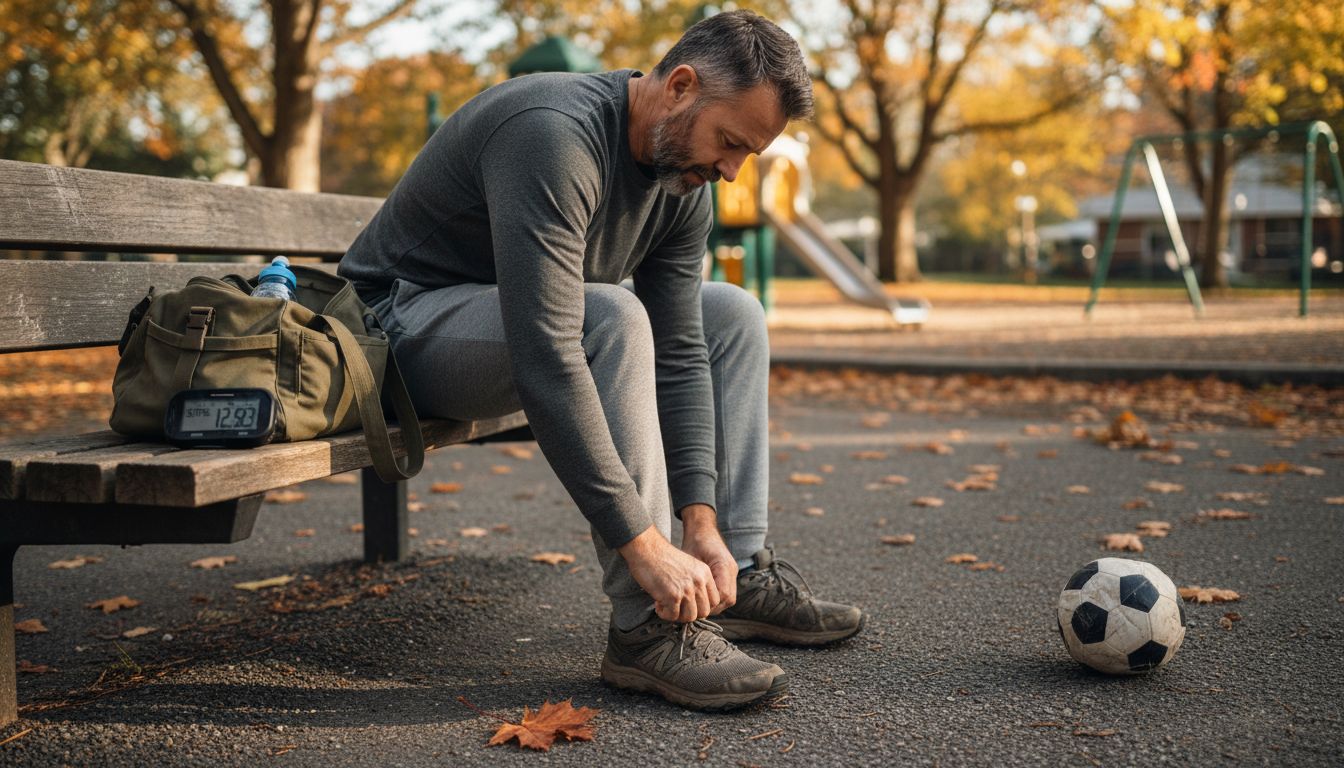
Activity trackers can be powerful motivational tools for monitoring your walking performance. Look for devices that track steps, distance, heart rate, and calories burned. These digital companions provide real-time feedback and help you understand your fitness improvements. When selecting a tracker, consider features like battery life, water resistance, and smartphone compatibility.
Harvard Health recommends choosing walking attire that prioritizes comfort and visibility. Start with lightweight, breathable layers that can be easily adjusted. Opt for moisture-wicking fabrics that keep you dry and comfortable. For outdoor walking, choose light-colored or reflective clothing to enhance your visibility to drivers and other pedestrians. Invest in supportive walking shoes with good arch support and cushioning to protect your joints and prevent potential injuries.
Pro Tip: Replace your walking shoes every 300-500 miles to ensure proper support and reduce the risk of discomfort or injury. Always prioritize comfort and functionality over style when selecting your walking gear.
Step 3: Map Out Safe and Enjoyable Walking Routes
Planning your walking routes strategically can make the difference between a sustainable fitness habit and a short-lived effort. Your goal is to create walking paths that are convenient, safe, and motivating.
The University of Minnesota recommends identifying walking routes that seamlessly integrate into your daily routine, ensuring you can maintain consistency. Consider multiple route options to keep your walking program flexible and interesting. This might include local school tracks for predictable walking surfaces, indoor mall walking during bad weather, neighborhood sidewalks, local parks, or community recreation center paths. Diversifying your routes prevents boredom and challenges your body in different ways.
When selecting walking routes, prioritize safety and accessibility. Look for well-lit areas with smooth walking surfaces, minimal traffic, and preferably separated walking paths. Consider the time of day you will walk and choose routes with good visibility and minimal potential hazards. If walking early morning or evening, select routes with streetlights and avoid isolated areas. For urban walkers, sidewalks are ideal. Suburban or rural walkers might prefer dedicated walking trails or quiet residential streets.
Pro Tip: Always carry identification, a phone, and let someone know your planned walking route and expected return time. This simple safety step ensures someone can reach you in case of an unexpected situation.
Step 4: Create a Progressive Walking Schedule
Designing a walking schedule that gradually increases in intensity is key to building endurance, preventing injury, and maintaining long-term motivation. Your goal is to create a flexible plan that challenges you without overwhelming your body.
Begin with a baseline walking frequency of three to four days per week, starting with 15 to 20 minute sessions at a comfortable pace. Each week, aim to incrementally increase either your walking duration or intensity. For example, add 5 minutes to your total walking time or incorporate brief periods of faster walking to boost cardiovascular challenge. This progressive approach allows your body to adapt safely while consistently improving fitness levels.
Structure your weekly walking schedule with variety and balance. Alternate between steady pace walks, interval training walks, and recovery walks to keep your body challenged and prevent plateauing. A sample progressive schedule might look like this: two moderate pace walks, one interval walk with speed variations, and one longer slower distance walk. Always include rest days for muscle recovery and listen to your body signals. If you feel excessive fatigue or joint discomfort, scale back intensity or duration.
Pro Tip: Track your walking progress in a dedicated journal or fitness app. Recording your daily walking details helps you visualize improvements, stay accountable, and make informed adjustments to your walking program.
Step 5: Monitor Your Progress and Adjust for Improvement
Successful fitness journeys are built on consistent tracking and strategic adjustments. Your walking program requires regular evaluation to ensure you continue making meaningful progress toward your health goals.
The Centers for Disease Control recommends using pedometers and fitness trackers to systematically monitor walking achievements. Start by establishing your baseline daily step count and gradually increase your target. Most health experts suggest aiming for 10000 steps daily, but your personal goal might be different depending on your current fitness level. Use digital tools or simple step counting apps to track your progress consistently. Pay attention to metrics like total walking time, distance covered, average walking speed, and heart rate during exercise.
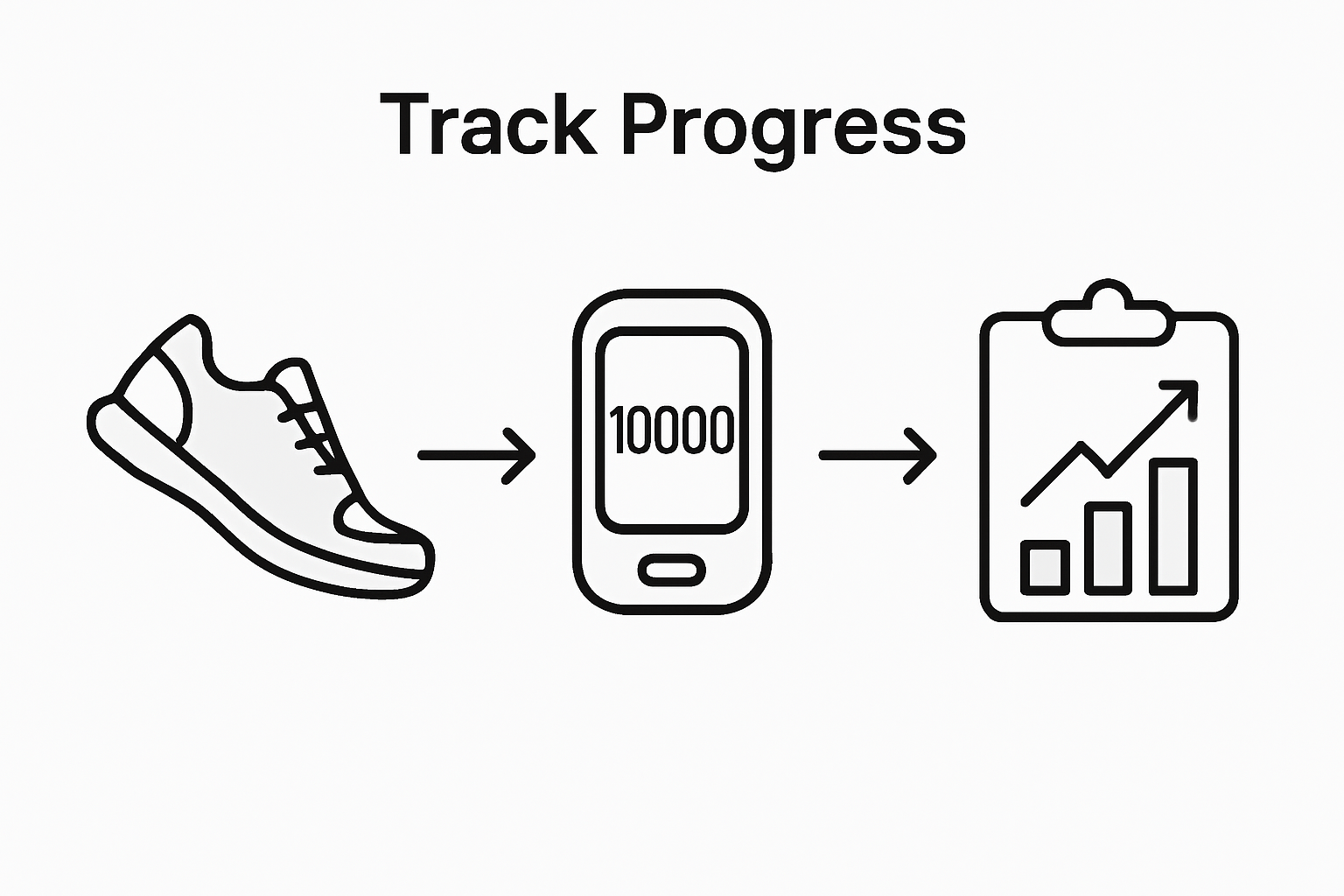
The Obesity Action Coalition emphasizes creating SMART goals to evaluate your walking program. This means setting goals that are Specific, Measurable, Attainable, Realistic, and Timely. Review your walking performance every four to six weeks. Look for trends in your data such as increased walking duration, improved walking speed, or reduced recovery time. If you are not seeing desired improvements, consider adjusting your walking intensity, duration, or frequency. Remember that progress is not always linear health and fitness are dynamic journeys with natural fluctuations.
Pro Tip: Take periodic measurements beyond just steps. Track changes in resting heart rate, body composition, energy levels, and overall well-being to get a comprehensive view of your fitness improvements.
Support Your Walking Journey with Tailored Wellness Solutions
Starting a walking program after 40 brings unique challenges such as staying motivated, tracking progress, and maintaining overall health. This guide highlights important steps like assessing your fitness level, choosing the right gear, and monitoring improvement. But achieving lasting success also means having the right support products to boost energy, protect your joints, and track your health efficiently.
Discover a curated selection of wellness essentials designed specifically for adults 40 and above at Vitamins And Supplements example products – Real Healthy Haven. These supplements complement your walking routine by aiding stamina and recovery. Pair them with comfortable activewear and reliable health monitors offered at Real Healthy Haven to enhance comfort and keep your progress visible.

Take the first step towards a smarter and safer walking program today. Explore our expertly selected products at Real Healthy Haven and empower your path to healthy aging with confidence and the right tools. Start now to experience improved energy and sustained motivation on your fitness journey.
Frequently Asked Questions
How can I assess my current fitness level for a walking program?
To assess your fitness level, measure your resting heart rate, walking speed, and endurance by timing how long it takes you to walk one mile. Record these metrics in a fitness tracking app or notebook to monitor your progress over time.
What gear should I invest in for my walking program?
Invest in supportive walking shoes with good arch support and breathable, moisture-wicking clothing that allows for comfort. Choose a fitness tracker that monitors steps and heart rate to help you stay motivated and track your performance effectively.
How should I choose my walking routes for safety and enjoyment?
Select well-lit, accessible routes with smooth surfaces and minimal traffic to ensure safety. Explore various local paths such as parks, school tracks, or neighborhood sidewalks to keep your walking routine engaging.
How can I create a walking schedule that builds endurance?
Start with walking three to four days a week for 15 to 20 minutes at a comfortable pace, then gradually increase duration or intensity weekly, like adding 5 minutes to your walking time. This progressive approach will help you build endurance safely.
How do I monitor my progress to ensure I’m improving?
Track your daily steps using a fitness tracker, and aim for gradual increases in step count or walking duration. Review your walking performance every four to six weeks to identify trends and adjust your routine as needed for continuous improvement.
What should I do if I’m not seeing progress in my walking program?
If you’re not seeing improvements, consider adjusting the intensity, duration, or frequency of your walks. Make incremental changes, such as increasing your walking sessions by 5 minutes or incorporating speed intervals to challenge your body further.
Recommended
- Workout Routine for Adults 40+: Build Strength and Mobility – Real Healthy Haven
- How to Prevent Injury Working Out for Adults Over 40 – Real Healthy Haven
- Role of Healthy Routines: Complete Guide for Adults 40+ – Real Healthy Haven
- Balance Training Over 40: Complete Guide for Canadians – Real Healthy Haven
Leave a comment