

Balance Training Over 40: Complete Guide for Canadians

More than one in four american adults over 65 experiences a fall each year, making stability a growing concern as we age. Balance training becomes especially important after 40, since changes in muscle strength and coordination can sneak up quickly. By focusing on targeted exercises, you can protect your independence and support your body’s natural agility, giving yourself a firm foundation for active living well into the future.
Table of Contents
- What Is Balance Training Over 40?
- Types Of Balance Exercises For Adults
- Key Benefits Of Balance Training After 40
- How Balance Training Supports Healthy Aging
- Common Risks And Mistakes To Avoid
Key Takeaways
| Point | Details |
|---|---|
| Importance of Balance Training | Balance training is essential for adults over 40 to enhance stability and prevent falls, thus ensuring independence and mobility. |
| Types of Exercises | Effective balance training includes static and dynamic exercises, such as single-leg stands and heel-to-toe walking, to challenge the body’s proprioceptive system. |
| Health Benefits | Regular balance training improves muscle strength, joint stability, and cognitive function, significantly reducing the risk of injuries as one ages. |
| Safety Measures | It’s crucial to consult with healthcare professionals and use proper technique to minimize injury risks during balance training exercises. |
What Is Balance Training Over 40?
Balance training is a specialized fitness approach designed specifically to enhance stability, coordination, and muscular control for adults navigating the unique physical challenges of midlife and beyond. Unlike traditional exercise routines, balance training focuses on strengthening the intricate neuromuscular systems that help you maintain proper body positioning and prevent falls.
According to Heart.org, balance exercises represent one of four essential exercise types, alongside strength, endurance, and flexibility. These targeted movements are critical for maintaining independence in daily activities like walking, climbing stairs, and navigating uneven surfaces - skills that become increasingly important as we age.
For adults over 40, balance training involves a strategic combination of exercises that challenge your body’s proprioceptive system - the network of nerves that communicate spatial positioning and movement. These workouts typically incorporate:
- Single leg stands
- Heel-to-toe walking
- Stability ball exercises
- Controlled weight shifting
- Core strengthening movements
Finding Balance BC recommends that adults aged 65 and older aim for at least 150 minutes of moderate to vigorous physical activity weekly, with balance exercises playing a crucial role in maintaining overall functional fitness. By integrating these specialized movements into your routine, you can proactively combat age-related muscle decline and reduce injury risk.
The goal of balance training isn’t just about preventing falls - it’s about maintaining your body’s natural agility, confidence, and capacity to move freely through different environments. Think of it as an investment in your long-term physical independence, giving you the strength and stability to continue enjoying an active, vibrant lifestyle well into your later years.
Types of Balance Exercises for Adults
Balance exercises are essential for maintaining physical stability and preventing falls, especially as we age. These targeted movements help strengthen core muscles, improve coordination, and enhance overall body awareness. By incorporating a variety of balance-focused techniques, adults can significantly improve their functional fitness and reduce the risk of injury.
Mayo Clinic highlights several effective balance exercises that can be easily integrated into daily routines. These include simple yet powerful movements like standing on one foot, walking heel to toe, and practicing tai chi - all designed to challenge and improve your body’s proprioceptive system.
Here are some key balance exercise categories for adults:
Static Balance Exercises
- Single leg stands
- Flamingo pose
- Standing with eyes closed
Dynamic Balance Exercises
- Heel-to-toe walking
- Walking while turning head side to side
- Stepping over obstacles
Equipment-Based Balance Training
- Stability ball exercises
- Balance board workouts
- Resistance band movements
According to University of Alberta, specific techniques like the flamingo stand and tightrope walk can help maintain balance and boost confidence, particularly for older adults. These exercises progressively challenge your stability, helping you build strength and coordination in a controlled, safe manner.
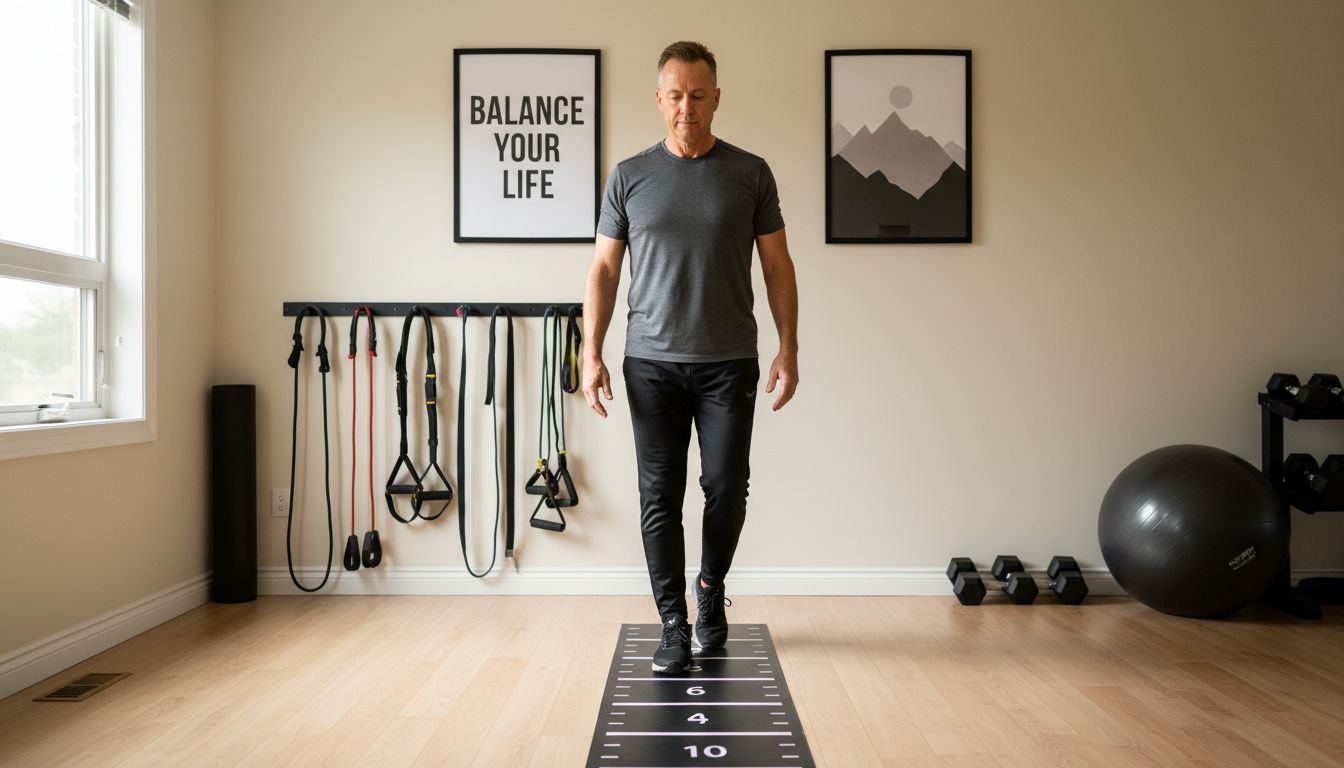
The key to effective balance training is consistency and gradual progression. Start with simpler exercises and slowly increase difficulty as your strength and confidence grow. Remember, balance training isn’t just about preventing falls - it’s about maintaining your body’s natural ability to move smoothly and confidently through various physical scenarios.
Key Benefits of Balance Training After 40
As we enter our 40s and beyond, maintaining physical function becomes increasingly important. Balance training emerges as a critical strategy for preserving mobility, preventing injuries, and supporting overall health during this transformative stage of life. It’s not just about staying upright - it’s about maintaining independence and confidence in our physical capabilities.
Heart.org highlights that balance exercises are particularly beneficial for older adults, offering significant advantages beyond simple stability. These targeted workouts can enhance overall fitness, reduce injury risks, and support daily functional movements, especially crucial for those navigating the physical changes of midlife.
Key benefits of balance training after 40 include:
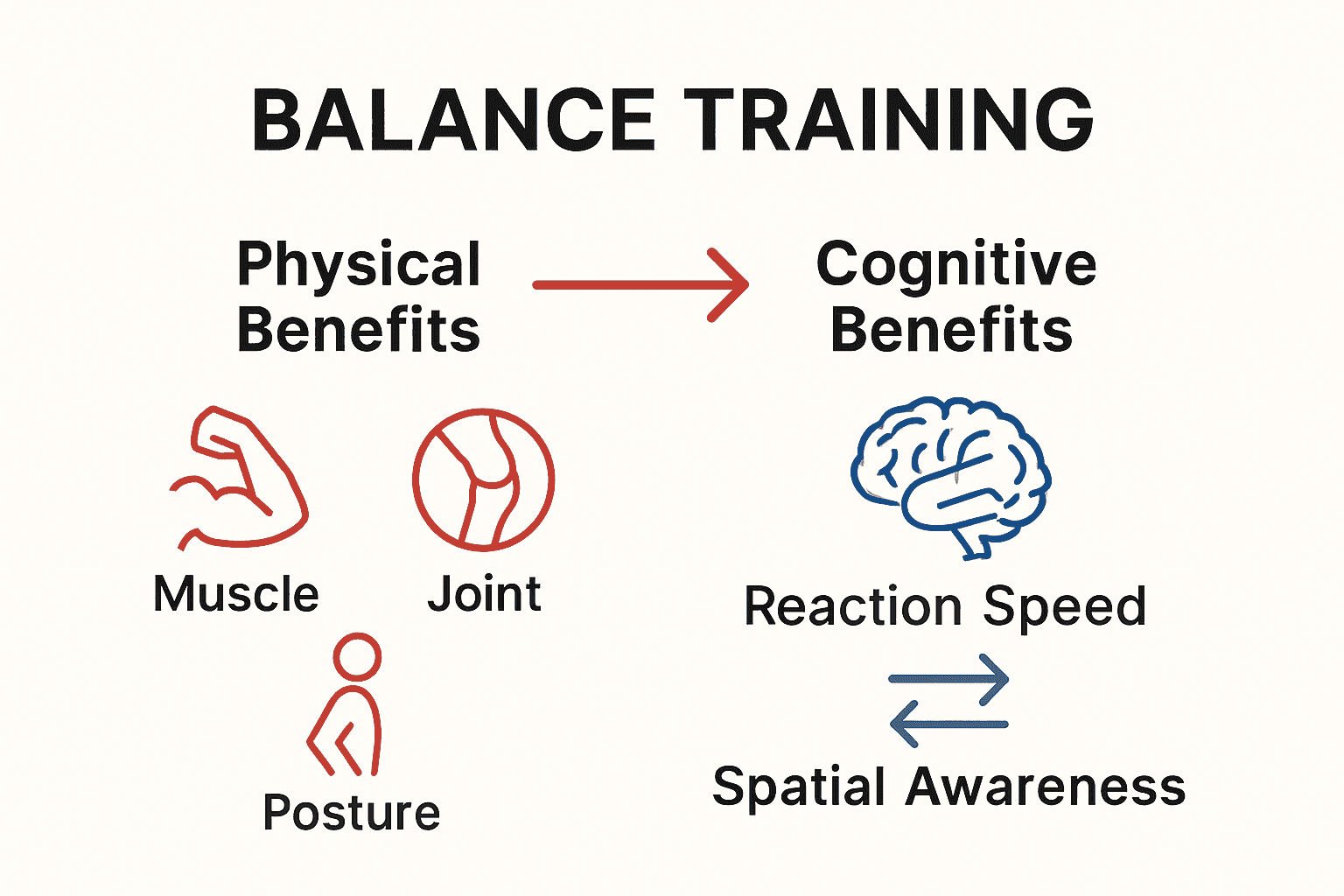
Physical Health Benefits
- Improved muscle strength
- Enhanced joint stability
- Increased core muscle engagement
- Better posture and alignment
- Reduced risk of falls
Cognitive and Neurological Advantages
- Sharper proprioceptive awareness
- Improved spatial orientation
- Enhanced mind-body connection
- Increased neuroplasticity
- Better reaction times
Finding Balance BC recommends that adults aim for at least 150 minutes of moderate to vigorous physical activity weekly, with balance exercises playing a crucial role. This approach not only prevents physical decline but actively promotes strength and resilience as we age.
Balance training is more than an exercise routine - it’s an investment in your future self. By dedicating time to these specialized movements, you’re building a foundation of strength, stability, and confidence that will serve you well in the decades to come. Think of each balance exercise as a small deposit into your long-term health and mobility savings account.
How Balance Training Supports Healthy Aging
Healthy aging isn’t just about adding years to life, but adding life to years. Balance training emerges as a powerful strategy for maintaining physical independence, cognitive function, and overall quality of life as we progress through midlife and beyond. It’s a holistic approach that addresses multiple dimensions of wellness simultaneously.
Heart.org emphasizes that balance exercises are critical for maintaining stability and preventing falls, which become increasingly important as we age. These targeted movements support daily activities and contribute directly to maintaining independence, helping individuals continue living life on their own terms.
Key ways balance training supports healthy aging include:
Physical Preservation
- Prevents muscle deterioration
- Maintains joint flexibility
- Reduces risk of mobility-related injuries
- Supports bone density
- Enhances overall physical resilience
Cognitive and Neurological Benefits
- Stimulates neural pathways
- Improves spatial awareness
- Enhances brain-body communication
- Supports neuroplasticity
- Reduces age-related cognitive decline
Finding Balance BC recommends that adults aged 65 and older engage in at least 150 minutes of moderate to vigorous physical activity weekly, with balance exercises playing a crucial role. This approach isn’t just about preventing decline - it’s about actively promoting strength, adaptability, and vitality.
Think of balance training as preventative maintenance for your body and mind.
 Just as a well-maintained car runs smoothly for years, consistent balance exercises help your physical and cognitive systems operate more efficiently. By investing time in these specialized movements, you’re essentially creating a robust foundation that supports graceful, strong, and independent aging.
Common Risks and Mistakes to Avoid
Balance training offers tremendous benefits, but like any fitness regimen, it requires careful approach and awareness. Improper technique or overzealous progression can transform a well-intentioned exercise routine into a potential injury risk, especially for adults navigating the physical changes of midlife and beyond.
Mayo Clinic strongly emphasizes the importance of consulting healthcare professionals before starting balance exercises, particularly if you have existing conditions affecting bones, joints, or muscles. This preliminary step is crucial for creating a safe, personalized approach to balance training.
Common risks and mistakes to be mindful of include:
Technique-Related Risks
- Performing exercises without proper support
- Moving too quickly between balance positions
- Ignoring pain or discomfort
- Failing to warm up adequately
- Practicing on uneven or unstable surfaces
Progression-Related Mistakes
- Advancing difficulty too rapidly
- Comparing your progress to others
- Neglecting core muscle engagement
- Overlooking individual physical limitations
- Skipping rest and recovery periods
University of Alberta recommends always having a stable object nearby for support and considering having a spotter present during balance exercises. This precautionary approach minimizes fall risks and provides an additional layer of safety.
Remember, balance training is a journey of gradual improvement, not a competitive sport. Listen to your body, progress mindfully, and prioritize safety over impressive-looking movements. Your long-term health and mobility depend on smart, consistent, and patient practice.
Enhance Your Balance Training Journey with Targeted Wellness Solutions
Maintaining stability and confidence after 40 requires more than exercise alone. The article highlights common challenges like muscle decline, joint instability, and the need for consistent progression in balance training. Addressing these pain points means supporting your body with the right tools that promote strength, coordination, and overall health. Incorporating specialized supplements helps boost muscle function and joint health. Comfortable, supportive activewear encourages safe movement while effective health monitors track your progress and help prevent injuries.

Ready to elevate your balance training routine with products designed specifically for adults 40 and over in Canada Explore our premium selection of Vitamins And Supplements example products – Real Healthy Haven crafted to support healthy aging and resilience. Visit Real Healthy Haven now to find everything you need to build strength and stability safely from home. Take action today and invest in your long-term mobility with expert-curated wellness essentials tailored just for you.
Frequently Asked Questions
What is balance training and why is it important for adults over 40?
Balance training is a specialized fitness approach that enhances stability, coordination, and muscular control, especially important for adults over 40 to maintain independence and prevent falls as they age.
What types of exercises are included in balance training?
Balance training incorporates static exercises like single leg stands, dynamic exercises like heel-to-toe walking, and equipment-based movements such as stability ball exercises and balance board workouts.
How can balance training benefit my overall health after age 40?
Balance training improves muscle strength, enhances joint stability, increases core engagement, and supports cognitive function, all contributing to better overall health and quality of life as you age.
Are there any risks or mistakes to avoid when starting balance training?
Common risks include improper technique, advancing difficulty too fast, and neglecting warm-ups. It’s essential to consult healthcare professionals, listen to your body, and practice safely with proper support.
Recommended
- Complete Guide to the Role of Balance Training – Real Healthy Haven
- Complete Guide to Strength After 40: Expert Strategies – Real Healthy Haven
- Workout Routine for Adults 40+: Build Strength and Mobility – Real Healthy Haven
- How to Prevent Injury Working Out for Adults Over 40 – Real Healthy Haven
- Massage Therapy for Mobility: Enhance Movement and Flexibility - Verdure Registered Massage Therapy
- Why Posture Matters: Complete Guide
Leave a comment