

Complete Guide to Pelvic Floor Health

Over one in four american adults faces pelvic floor problems at some point in life, yet most people rarely talk about it. Everyday actions like sitting, lifting, or even laughing can be affected by the strength and flexibility of these deep core muscles. When you understand how crucial pelvic floor health is for everything from continence to pain-free movement, making smart choices about prevention and care becomes much clearer.
Table of Contents
- Defining Pelvic Floor Health and Function
- Types of Pelvic Floor Disorders in Adults
- Recognizing Symptoms and Warning Signs
- Common Risk Factors After Age 40
- Preventive Care and Wellness Strategies
Key Takeaways
| Point | Details |
|---|---|
| Understanding Pelvic Floor Health | Pelvic floor health is essential for various bodily functions, including continence and sexual function, and is influenced by factors like aging and lifestyle. |
| Recognizing Disorders | Common pelvic floor disorders such as urinary and fecal incontinence stem from weakened support structures, requiring awareness of symptoms for timely intervention. |
| Age-related Risks | As individuals age past 40, hormonal changes and lifestyle factors heighten vulnerability to pelvic floor disorders, necessitating proactive management. |
| Preventive Care Strategies | Engaging in pelvic floor exercises, maintaining a healthy lifestyle, and seeking medical guidance can significantly reduce the risk of pelvic floor dysfunction. |
Defining Pelvic Floor Health and Function
The pelvic floor is a complex network of muscles, ligaments, and connective tissues that form a critical support system within the human body. According to the National Institute of Child Health and Human Development, this muscular sling stretches across the pelvis, providing essential support for multiple internal organs including the bladder, intestines, and in women, the uterus.
Pelvic floor health represents more than just muscular integrity. As research from PubMed suggests, it encompasses the physical and functional capacity of these muscles throughout an individual’s life stages. This multifunctional system plays a pivotal role in several crucial bodily functions:
- Maintaining urinary and fecal continence
- Supporting sexual function and sensation
- Stabilizing core muscles and spine
- Assisting with childbirth in women
- Preventing organ prolapse
Understanding pelvic floor health requires recognizing its dynamic nature. These muscles are not static structures but adaptable tissues that respond to physical changes, lifestyle factors, and aging processes. Proper awareness and targeted exercises can help maintain their strength, flexibility, and overall functional capacity, ultimately contributing to an individual’s quality of life and physical well-being.
While often overlooked, pelvic floor muscles are fundamental to core stability, reproductive health, and basic physiological functions. Proactively managing their condition through targeted exercises, proper nutrition, and professional guidance can prevent potential dysfunction and support long-term wellness.

Types of Pelvic Floor Disorders in Adults
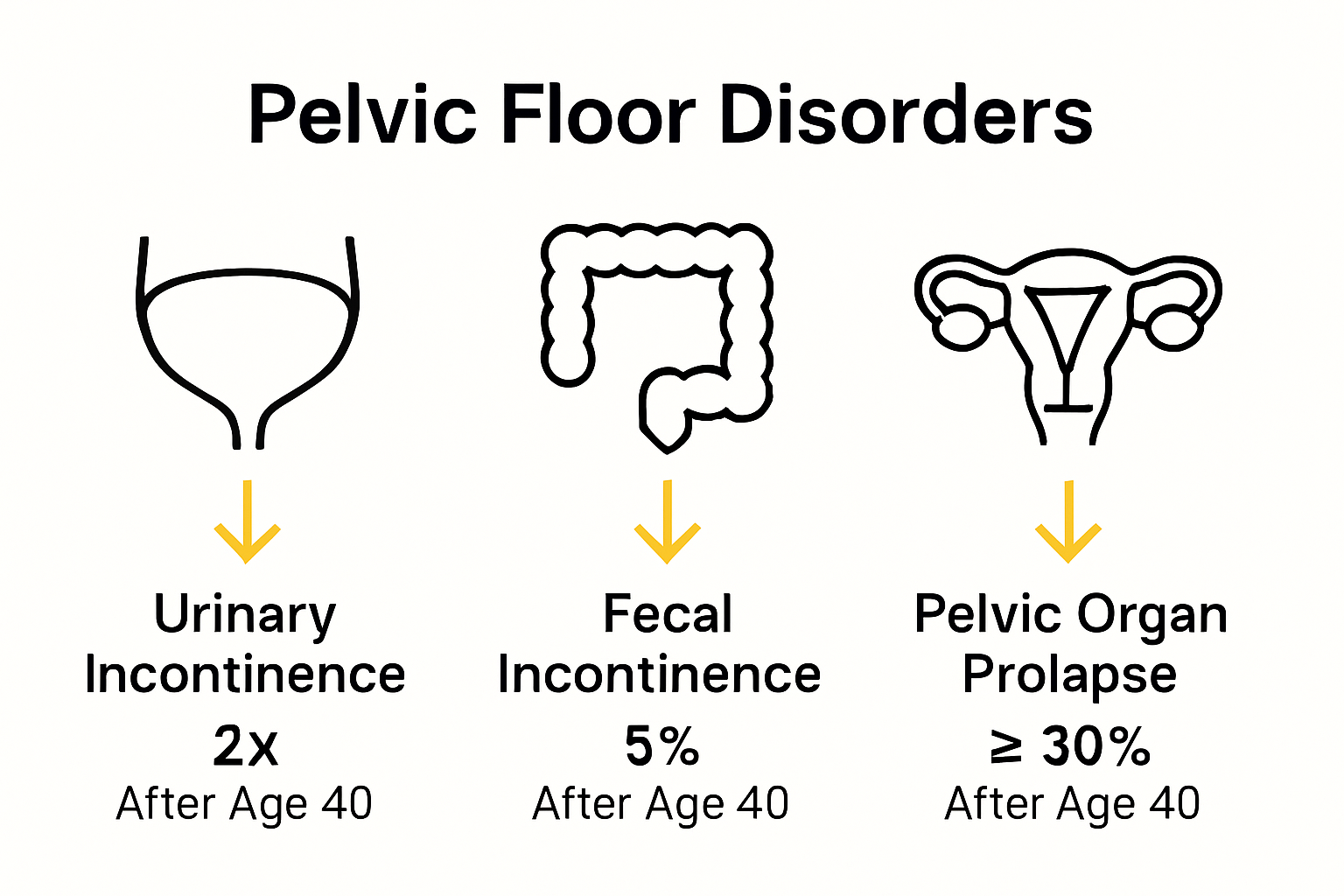
Pelvic floor disorders represent a range of complex health challenges that can significantly impact an individual’s quality of life. According to Columbia Surgery, these disorders encompass several specific conditions that emerge from weakened pelvic support structures, primarily affecting urinary, reproductive, and gastrointestinal systems.
The primary types of pelvic floor disorders include:
- Urinary Incontinence: Involuntary urine leakage
- Fecal Incontinence: Uncontrolled bowel movement release
- Pelvic Organ Prolapse: Descent of pelvic organs from their original position
As detailed by the National Institute of Child Health and Human Development, these conditions result from muscles and connective tissues becoming weakened or injured. Specific variations of pelvic organ prolapse include:
- Cystocele: Bladder dropping into the vaginal canal
- Rectocele: Rectum bulging into the vaginal space
- Uterine Prolapse: Uterus descending into the vaginal cavity
Understanding these disorders requires recognizing their multifaceted origins. Risk factors often include pregnancy, childbirth, aging, chronic medical conditions, and genetic predispositions. While these conditions can cause significant discomfort and embarrassment, modern medical interventions and targeted therapeutic approaches offer effective management strategies, helping individuals regain confidence and improve their overall quality of life.
Recognizing Symptoms and Warning Signs
Recognizing the early signs of pelvic floor dysfunction is crucial for timely intervention and treatment. According to Cleveland Clinic, symptoms can manifest in various ways, often impacting multiple bodily systems and creating complex health challenges for individuals.
Key warning signs of potential pelvic floor disorders include:
-
Urinary Irregularities
- Frequent urination
- Urine leakage
- Difficulty passing urine
- Nocturia (frequent nighttime urination)
-
Bowel Movement Complications
- Straining during bowel movements
- Constipation
- Fecal or gas leakage
-
Physical Discomfort
- Unexplained lower back pain
- Ongoing pelvic region discomfort
- Sensations of vaginal bulging or pressure
As detailed by Beth Israel Deaconess Medical Center, these symptoms suggest potential impairments in pelvic muscle control. Women may experience additional indicators like vaginal pressure or a feeling of fullness in the pelvic region, while men might notice similar challenges with urinary and bowel function.
It’s critical to understand that these symptoms can vary in intensity and frequency. Some individuals might experience mild, intermittent issues, while others could face more persistent and disruptive challenges. Consulting a healthcare professional for a comprehensive evaluation is essential, as early detection and targeted interventions can significantly improve outcomes and prevent further complications.
Common Risk Factors After Age 40
As individuals approach and move beyond 40, the risk of developing pelvic floor disorders increases significantly. According to St. Joseph’s Health, several key factors contribute to the heightened vulnerability of pelvic floor muscles during this life stage.
The primary risk factors include:
-
Hormonal Changes
- Menopause-related muscle weakening
- Reduced estrogen levels
- Decreased muscle elasticity
-
Lifestyle and Physical Stressors
- Obesity increasing bladder pressure
- Chronic constipation from low-fiber diets
- Smoking leading to urinary incontinence
- Heavy lifting and physical strain
-
Medical and Physiological Factors
- Chronic coughing from respiratory issues
- Previous pelvic surgeries
- Persistent muscle and tissue damage
Research from UC Davis Health highlights that aging-related muscle weakening plays a crucial role in pelvic floor disorders. This natural deterioration is compounded by years of physical stress, hormonal shifts, and potential medical conditions that impact muscle strength and tissue integrity.
To better understand your personal risk, consider exploring our guide to strength after 40, which provides comprehensive insights into maintaining muscle health and preventing age-related decline.
 Proactive management and awareness are key to mitigating these risk factors and preserving pelvic floor function throughout the aging process.
Preventive Care and Wellness Strategies
Pelvic floor health requires a proactive and comprehensive approach to maintaining muscle strength and function. According to the National Institute of Child Health and Human Development, several key preventive strategies can significantly reduce the risk of pelvic floor disorders and support long-term wellness.
Critical preventive measures include:
-
Exercise and Physical Training
- Targeted pelvic floor muscle training (Kegel exercises)
- Regular strength conditioning
- Low-impact physical activities
-
Lifestyle Management
- Maintaining a healthy body weight
- Avoiding excessive heavy lifting
- Managing chronic respiratory conditions
- Proper nutrition and hydration
-
Medical Interventions
- Pelvic floor physical therapy
- Biofeedback techniques
- Prescribed medication management
Research from Cleveland Clinic emphasizes the importance of comprehensive approaches that combine physical therapy, targeted exercises, and medical guidance. These strategies not only help prevent dysfunction but also improve overall muscle coordination and resilience.
To support your wellness journey, check out our guide on setting wellness goals for healthy aging, which provides additional insights into creating sustainable health practices. Remember, proactive prevention is always more effective than reactive treatment.
Strengthen Your Core for Lasting Pelvic Floor Health
Pelvic floor health is essential for maintaining control, comfort, and confidence as you age. If you are dealing with symptoms like urinary leakage, pelvic pressure, or muscle weakening do not wait for these issues to take over your daily life. At Real Healthy Haven, we offer specialized fitness and wellness products designed to support adults over 40 in building stronger pelvic muscles through targeted exercise and lifestyle enhancement.

Explore our range of comfortable activewear and exercise equipment tailored for ease and effectiveness. Incorporate our health monitors to track your progress and try therapeutic supplies that complement pelvic floor physical therapy. Take control of your well-being today by visiting Real Healthy Haven and learn how to integrate these tools into your daily routine. Start now to protect your pelvic floor function and enjoy a healthier, more confident you.
Frequently Asked Questions
What is pelvic floor health?
Pelvic floor health refers to the strength and function of the muscles, ligaments, and connective tissues that support the bladder, intestines, and reproductive organs. It encompasses the ability to maintain continence, sexual function, and overall physiological well-being.
What are common symptoms of pelvic floor disorders?
Common symptoms of pelvic floor disorders include urinary irregularities (like frequent urination or leakage), bowel movement complications (such as constipation or fecal incontinence), and physical discomfort, such as lower back pain or pelvic pressure.
What risk factors contribute to pelvic floor disorders after age 40?
Key risk factors for pelvic floor disorders after age 40 include hormonal changes (like menopause), lifestyle factors (such as obesity and smoking), and medical conditions that lead to muscle weakening or tissue damage, such as chronic coughing or previous surgeries.
How can I maintain pelvic floor health?
Maintaining pelvic floor health can be achieved through regular pelvic floor muscle training (like Kegel exercises), maintaining a healthy body weight, avoiding heavy lifting, managing chronic respiratory conditions, and seeking medical interventions like pelvic floor physical therapy.
Leave a comment