

Role of Vitamins for Women Over 40 – Impact on Health

Over 40 percent of American women do not get enough essential vitamins from diet alone, raising real concerns about long-term health and energy. As women move through midlife, their nutritional foundations can shift, making the right vitamin choices more important than ever. Exploring how targeted supplementation supports bone density, hormone balance, and immune resilience can help women navigate these changes with confidence and knowledge.
Table of Contents
- What Vitamins Do for Women’s Health
- Key Vitamins for Women After 40
- Changing Vitamin Needs with Age
- Risks and Signs of Deficiency in Women
- Safe Supplementation and Choosing Products
Key Takeaways
| Point | Details |
|---|---|
| Targeted Vitamin Intake | Women over 40 should focus on vitamins like D, B12, E, and K to support hormonal balance, bone density, and overall health. |
| Monitor Nutritional Needs | Regular blood tests and consultations with healthcare professionals can help identify deficiencies and optimize vitamin regimens. |
| Signs of Deficiency | Recognizing symptoms such as fatigue and mood changes can lead to proactive management of potential vitamin deficiencies. |
| Safe Supplementation Practices | Prioritize high-quality supplements with proven absorption rates, and adjust dosages based on individual health requirements. |
What Vitamins Do for Women’s Health
As women transition through their 40s, nutritional needs become increasingly complex and specialized. The human body undergoes significant metabolic shifts during this decade, making strategic vitamin supplementation crucial for maintaining optimal health and preventing age-related decline. Understanding how specific vitamins support bodily functions can empower women to make informed dietary choices.
Women over 40 require a targeted approach to vitamin intake, focusing on nutrients that support hormonal balance, bone density, energy metabolism, and immune system resilience. Key vitamins play critical roles in managing physiological changes associated with aging. For instance, Vitamin D becomes essential for maintaining bone strength, while B-complex vitamins support metabolic processes and help combat potential energy deficiencies. Midlife nutrition essentials can significantly impact long-term wellness by addressing specific physiological requirements.
The most impactful vitamins for women over 40 include Vitamin D for bone health, Vitamin B12 for neurological function, Vitamin E for cellular protection, and Vitamin K for cardiovascular support. Each of these micronutrients contributes to different aspects of physiological maintenance. Vitamin D helps prevent osteoporosis, B12 supports cognitive function and prevents anemia, E acts as a powerful antioxidant protecting cellular structures, and K assists in proper blood clotting and heart health. Regular monitoring and strategic supplementation can help women optimize their nutritional intake during this transformative life stage.
Implementing a comprehensive vitamin strategy requires understanding individual health needs, consulting healthcare professionals, and selecting high-quality supplements. Women should consider factors like existing health conditions, lifestyle, and potential nutrient interactions when developing their personal vitamin regimen. Blood tests can provide valuable insights into specific deficiencies, allowing for personalized nutritional interventions that support overall wellness and vitality.
Key Vitamins for Women After 40
As women enter their 40s, nutritional requirements become increasingly nuanced and critical for maintaining overall health and preventing age-related challenges. Lifestyle medicine research highlights the importance of targeted vitamin supplementation during this transformative life stage, emphasizing the need for strategic nutritional support.
The most essential vitamins for women in this age group include Vitamin D3, Calcium, Vitamin B12, Magnesium, and Omega-3 Fatty Acids. These micronutrients play pivotal roles in supporting bone density, muscle function, energy metabolism, and hormonal balance. Comprehensive supplement strategies can dramatically improve overall wellness after 40, addressing the unique physiological changes women experience during perimenopause and beyond.

Specifically, Vitamin D3 supports bone health and muscle strength, while Calcium helps prevent osteoporosis. Vitamin B12 becomes increasingly important for maintaining neurological function and combating potential energy deficiencies. Magnesium contributes to muscle recovery, sleep quality, and stress management. Omega-3 Fatty Acids provide crucial support for heart and brain health, helping to mitigate inflammation and support cognitive function.
Implementing an effective vitamin regimen requires a personalized approach. Women should consult healthcare professionals, undergo comprehensive blood tests, and consider individual health factors such as existing medical conditions, lifestyle, and specific nutritional needs. Regular monitoring and adapting supplement intake can help optimize health outcomes and support vibrant aging throughout the 40s and beyond.
Changing Vitamin Needs with Age
Nutritional research reveals that women’s vitamin requirements undergo significant transformations as they progress through different life stages, particularly after age 40. The metabolic and hormonal shifts characteristic of this period demand a more strategic and personalized approach to nutrition, with specific micronutrients becoming increasingly crucial for maintaining optimal health and preventing age-related decline.
The most notable changes in vitamin needs involve micronutrient absorption and metabolic efficiency. Comprehensive aging research indicates that women experience declining nutrient absorption rates, making it essential to adjust dietary intake and supplementation strategies. Scientific studies highlight critical nutritional gaps, including reduced zinc, calcium, and fiber consumption, which can significantly impact overall wellness. Vitamins A, C, and E become particularly important, with research suggesting their potential role in reducing chronic disease risks and supporting cellular health.
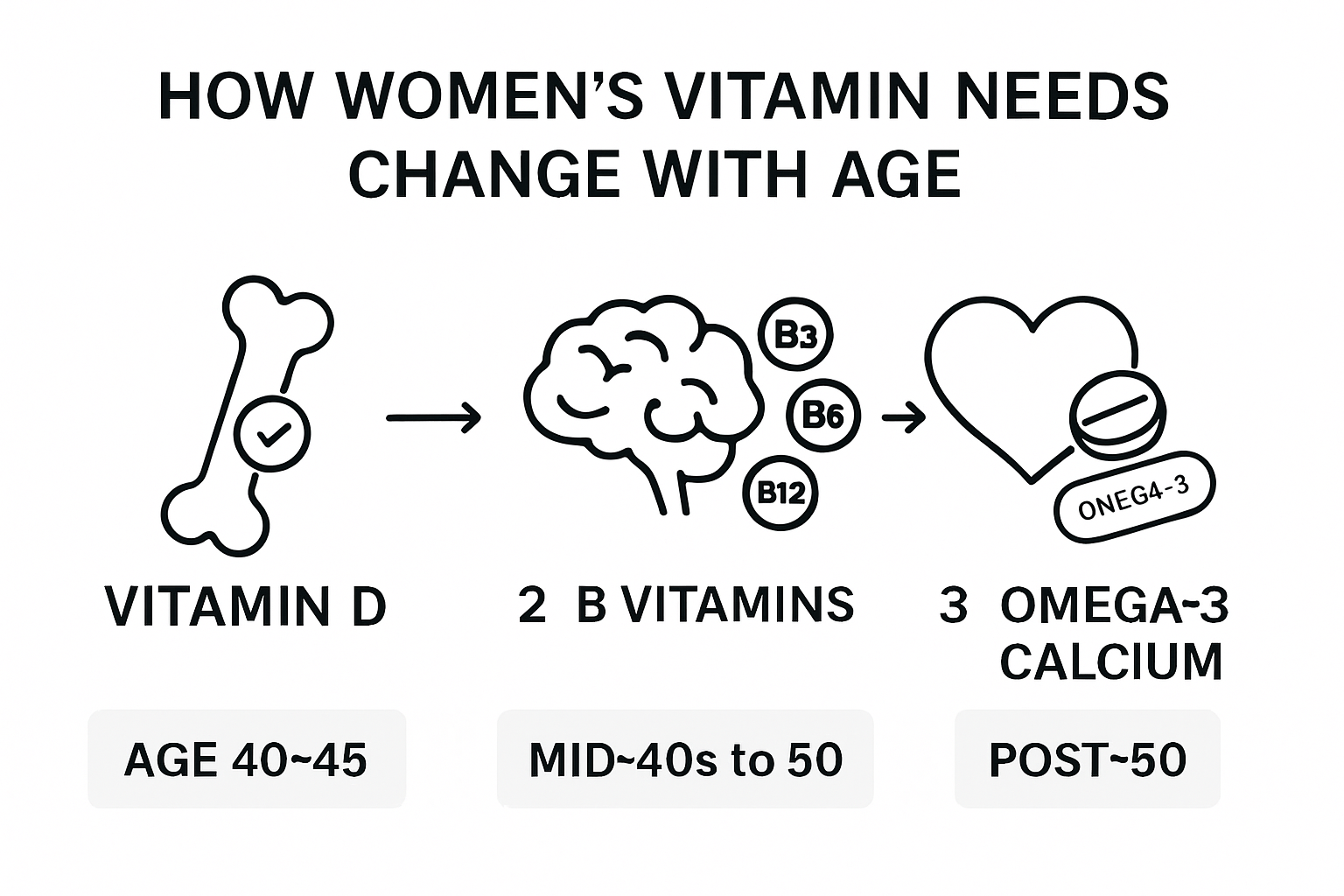
Menopausal transitions introduce additional nutritional complexities, especially concerning vitamins B9 (folate) and B12. These vitamins play a pivotal role in bone metabolism, with deficiencies potentially leading to elevated homocysteine levels and increased fracture risks. Women in this age group must focus on targeted supplementation that addresses these specific physiological changes, potentially through dietary modifications, high-quality supplements, and regular health monitoring.
Implementing an effective nutritional strategy requires a holistic approach. Women should consult healthcare professionals, undergo comprehensive blood tests, and develop personalized nutrition plans that adapt to their changing bodily needs. Regular assessments can help identify potential deficiencies and create proactive interventions that support long-term health, energy, and vitality during this transformative life stage.
Risks and Signs of Deficiency in Women
Medical research demonstrates that vitamin deficiencies pose significant health risks for women, particularly as they progress through different life stages. Nutritional shortfalls can manifest through subtle yet critical symptoms that often go unrecognized, potentially compromising overall health and wellness. Understanding these warning signs becomes crucial for proactive health management and early intervention.
Vitamin deficiencies can present through multiple physiological indicators. Common signs include persistent fatigue, weakened immune response, changes in skin and hair health, and unexpected mood fluctuations. Women’s health strategies emphasize the importance of recognizing these subtle signals before they escalate into more serious health complications. Specific deficiencies in vitamins B12 and D can lead to anemia, reduced bone density, impaired cognitive function, and compromised immune system performance.
The most critical vitamin deficiencies women should monitor include Vitamin D, which impacts bone health and immune function; Vitamin B12, essential for neurological health and energy metabolism; and Vitamin B9 (folate), crucial for cellular repair and reproductive health. Women experiencing symptoms such as chronic exhaustion, muscle weakness, unexplained weight changes, or persistent brain fog should consider comprehensive nutritional testing. These symptoms can indicate underlying micronutrient imbalances that require targeted medical intervention.
Addressing potential vitamin deficiencies requires a multifaceted approach. Women should engage in regular health screenings, maintain a balanced diet rich in whole foods, consider targeted supplementation under professional guidance, and stay attentive to their body’s changing nutritional signals. Consulting healthcare professionals for personalized blood tests can provide precise insights into individual nutritional needs, enabling women to develop proactive strategies for maintaining optimal health throughout their lifetime.
Safe Supplementation and Choosing Products
Nutritional research highlights the critical importance of understanding supplement safety and making informed product selections for women over 40. Navigating the complex landscape of vitamins and minerals requires a nuanced approach that balances individual nutritional needs with potential health risks. Strategic supplementation demands careful consideration of dosage, absorption, and potential interactions with existing health conditions.
Supplement selection involves multiple critical factors beyond simple nutrient content. Heart health supplement research emphasizes the significance of choosing high-quality, bioavailable products that align with individual metabolic requirements. Women should prioritize supplements that undergo rigorous third-party testing, provide transparent ingredient lists, and demonstrate optimal absorption rates. The Upper Intake Levels (ULs) for specific nutrients like iron, zinc, vitamin A, and niacin must be carefully monitored to prevent potential toxicity and adverse health effects.
Specifically for women experiencing menopausal transitions, B vitamin supplementation becomes particularly crucial. Deficiencies in these essential nutrients can lead to increased homocysteine levels, potentially impacting bone health and cognitive function. When selecting supplements, women should consider factors such as dosage precision, potential interactions with existing medications, and individual metabolic differences. Consulting healthcare professionals can provide personalized guidance on developing a comprehensive supplementation strategy that addresses specific nutritional gaps.
Implementing a safe supplementation approach requires a holistic perspective. Women should combine professional medical advice, comprehensive blood testing, and careful product research to develop an individualized nutrition plan. Key strategies include maintaining a balanced whole-food diet, selecting supplements from reputable manufacturers, starting with lower doses, monitoring body responses, and regularly reassessing nutritional needs through professional health screenings. Proactive, informed supplementation can serve as a powerful tool for supporting overall health and wellness during midlife and beyond.
Support Your Health with the Right Vitamins and Supplements for Women Over 40
As this article highlights, women over 40 face unique nutritional challenges such as maintaining bone density, supporting cognitive function, and balancing hormones. These changes can lead to fatigue, weakened immunity, and other health risks if vitamin intake is not carefully managed. Tackling these concerns requires targeted supplementation with essential vitamins like Vitamin D3, B12, and Magnesium to support healthy aging and vibrant energy.
Discover high-quality vitamins and supplements tailored for women over 40 that address these specific needs.

Take control of your wellness today by exploring curated products at Real Healthy Haven. Act now to ensure you get the best supplements backed by expert guidance to support your health journey through your 40s and beyond. Visit our store to find your personalized solution and start thriving with confidence.
Frequently Asked Questions
What vitamins are most important for women over 40?
The most essential vitamins for women over 40 include Vitamin D3, Calcium, Vitamin B12, Magnesium, and Omega-3 Fatty Acids. These vitamins support bone density, muscle function, energy metabolism, and hormonal balance.
How can I tell if I’m deficient in vitamins after 40?
Common signs of vitamin deficiency include persistent fatigue, weakened immune response, changes in skin and hair health, and unexpected mood fluctuations. If you experience symptoms like chronic exhaustion or brain fog, consider undergoing comprehensive nutritional testing.
What are the risks of vitamin deficiencies for women in their 40s?
Vitamin deficiencies can lead to significant health issues such as anemia, reduced bone density, impaired cognitive function, and a compromised immune system. It’s essential to monitor nutrient intake to prevent these complications.
How can I choose the right vitamin supplements?
When selecting vitamin supplements, prioritize high-quality, bioavailable products that undergo third-party testing. Consider dosage, potential interactions with existing medications, and individual health needs, and consult with a healthcare professional for personalized guidance.
Recommended
- 7 Essential Supplements Checklist for Women 40+ – Real Healthy Haven
- Midlife Nutrition Essentials: Complete Guide for Canadians – Real Healthy Haven
- Complete Guide to Strength After 40: Expert Strategies – Real Healthy Haven
- Complete Guide to Healthy Weight Loss After 40 – Real Healthy Haven
- Voedingssupplementen Natuurlijk: Complete Uitleg en Tips - Roots Health Store
- Wechseljahre und Ernährung: Gesund durch den Wandel
- 7 Key Advantages of Multivitamins for Fitness Success – MyGymSupplements
Leave a comment