

How to Shop for Healthy Food Naturally After 40

Most American adults notice real changes in their bodies after 40, from a slower metabolism to shifting nutritional needs. It can feel confusing to adjust eating habits when popular advice no longer works the same. With more than 60 percent of American adults missing vital nutrients as they age, knowing how to evaluate food quality and nutrition becomes essential. This guide gives you clear, actionable steps to make smarter choices that support your health in your 40s and beyond.
Table of Contents
- Step 1: Assess Your Personal Nutrition Needs
- Step 2: Plan Your Weekly Healthy Food List
- Step 3: Select Nutritious Foods at the Store
- Step 4: Evaluate Labels and Ingredients Carefully
- Step 5: Verify Food Quality and Make Smart Purchases
Quick Summary
| Essential Insight | Explanation |
|---|---|
| 1. Assess Your Nutrition Needs | Self-evaluate your diet and identify nutritional gaps to address changing needs after 40. |
| 2. Create a Weekly Food Plan | Organize your meals around lean proteins, whole grains, and vegetables for balanced nutrition. |
| 3. Shop Strategically for Nutrients | Focus on fresh, unprocessed foods and read labels to avoid unhealthy ingredients. |
| 4. Understand Food Labels Thoroughly | Examine ingredient lists for whole foods and avoid added sugars and unhealthy fats. |
| 5. Prioritize Food Quality Over Quantity | Look for organic and minimally processed items to enhance nutritional density in your diet. |
Step 1: Assess Your Personal Nutrition Needs
Nutrition needs shift dramatically after 40 as your metabolism slows and body composition changes. Understanding your unique nutritional requirements becomes crucial for maintaining optimal health and preventing age-related challenges. Canada’s Food Guide provides tailored nutritional advice specifically designed to help adults meet their evolving dietary needs.
Assessing your personal nutrition starts with a comprehensive self-evaluation. Track your current eating habits for two weeks, documenting everything you consume. Look for patterns in your diet including protein intake, vegetable consumption, hydration levels, and overall nutritional balance. Pay special attention to potential nutrient deficiencies common in midlife such as reduced calcium absorption, decreased vitamin D production, and slower metabolism. Nutritional needs for adults aged 40-59 require strategic dietary planning to support healthy aging and prevent chronic health conditions.
Consider scheduling a consultation with a registered dietitian who can provide personalized blood work analysis and create a nutrition plan tailored to your specific health goals. They can help identify potential nutritional gaps and recommend targeted dietary adjustments that support your metabolism, muscle maintenance, and overall wellness during this transformative life stage.
Step 2: Plan Your Weekly Healthy Food List
Creating a strategic weekly food plan is your roadmap to nutritional success after 40. Maintaining health in your 40s requires intentional meal planning that focuses on balanced nutrition and supports your changing metabolic needs. A well-designed food list helps you make proactive dietary choices while preventing impulsive eating that can derail your wellness goals.
Start by dividing your weekly list into core nutritional categories: lean proteins, complex carbohydrates, healthy fats, and abundant vegetables. Prioritize whole foods that offer maximum nutrient density. For proteins, select options like wild caught fish, organic chicken, legumes, and plant based proteins. Include a variety of colorful vegetables to ensure broad micronutrient intake. Whole grains like quinoa, brown rice, and steel cut oats provide sustained energy and support digestive health. Add strategic supplements like vitamin D and omega 3 fatty acids that become increasingly important as you age.
Pro tip: Prepare your weekly food list during a calm moment when you are not hungry. This reduces the likelihood of emotional or impulse purchasing. Consider exploring a 7-day meal plan that can provide structured guidance and help streamline your nutritional planning. Remember to remain flexible and listen to your body’s changing nutritional signals while maintaining a consistent approach to healthy eating.
Step 3: Select Nutritious Foods at the Store
Selecting nutritious foods after 40 requires a strategic approach that goes beyond simple grocery shopping. Informed food choices are critical for maintaining health in your 40s, focusing on unprocessed ingredients that support your changing nutritional needs. Think of your shopping trip as a targeted mission to fuel your body with high quality nutrients.
Begin by navigating the store’s perimeter where fresh produce, lean proteins, and whole foods are typically located. Prioritize colorful vegetables, seasonal fruits, wild caught fish, organic lean meats, and minimally processed dairy alternatives. Read nutrition labels carefully avoiding products with excessive added sugars, artificial preservatives, and unrecognizable ingredients. Look for whole grain options with high fiber content and minimal ingredient lists. Opt for foods rich in omega 3 fatty acids, antioxidants, and essential minerals that support metabolic health and cellular regeneration.

Pro tip: Shop with a full stomach and a predetermined list to reduce impulse purchases. Understanding the role of nutrition in healthy aging can transform your approach from reactive eating to proactive nutritional planning. Consider purchasing frozen vegetables and fruits as excellent alternatives that retain nutritional value and extend your meal preparation flexibility.
Step 4: Evaluate Labels and Ingredients Carefully
Understanding food labels becomes crucial for maintaining optimal health after 40. Monitoring your intake of added sugars, sodium, and unhealthy fats helps make smarter dietary choices that support your changing metabolic needs and overall wellness. Think of nutrition labels as your personal health roadmap, guiding you toward more informed eating decisions.
Start by examining the ingredient list from top to bottom. Ingredients are listed in descending order by weight, so prioritize products with whole food ingredients at the beginning. Watch for hidden sources of added sugars like corn syrup, maltose, and words ending in ‘ose’. Pay special attention to serving sizes and compare the nutritional content per serving versus per container. Look for products with minimal processing, low sodium content, and high fiber. Seek out foods rich in protein, healthy fats, and complex carbohydrates that support muscle maintenance and sustained energy.
Pro tip: Memorize the top ingredients to avoid. Artificial preservatives, excessive sugar substitutes, and unpronounceable chemical additives are red flags. Understanding brain health foods can further enhance your nutritional strategy, helping you make selections that not only nourish your body but also support cognitive function. Develop a habit of spending an extra minute reading labels a practice that can transform your long term health trajectory.
Step 5: Verify Food Quality and Make Smart Purchases
Prioritizing fresh produce and lean proteins helps support optimal health in your 40s, transforming your grocery shopping from a routine task to a strategic wellness investment. Understanding food quality goes beyond simple price comparisons and requires a thoughtful approach to selecting nutritionally dense ingredients that fuel your body effectively.
Develop a systematic method for assessing food quality by examining several key indicators. Look for organic produce with vibrant colors and firm textures that suggest peak freshness. When selecting proteins, choose options with minimal processing like wild caught fish, pasture raised chicken, and grass fed beef. Investigate the origin of your foods checking for local sources and sustainable farming practices. Pay attention to seasonal variations which can impact nutritional content and flavor. Consider frozen alternatives for fruits and vegetables that are picked at peak ripeness and quickly preserved maintaining their nutritional integrity.
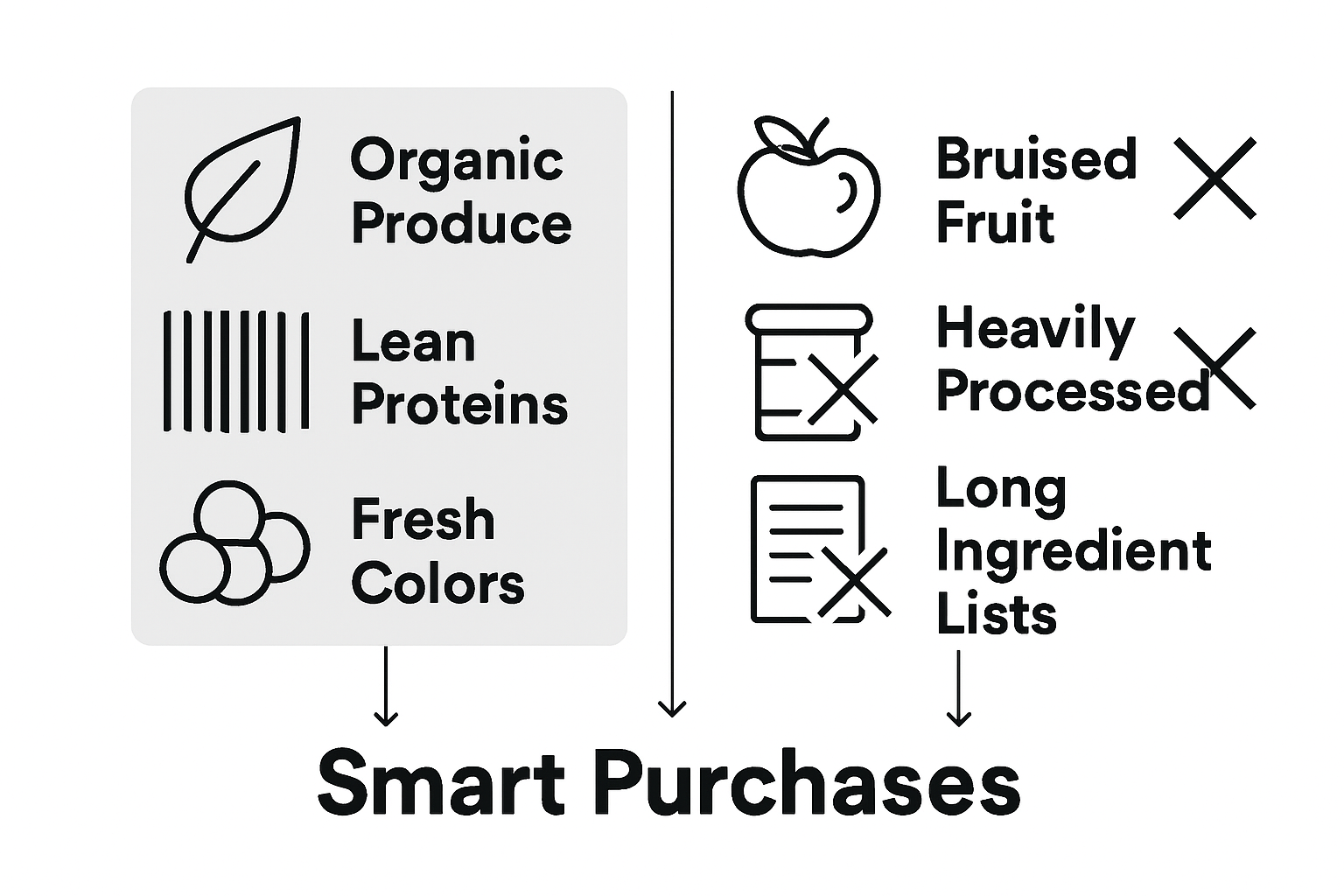
Understanding midlife nutrition essentials can significantly improve your purchasing decisions. Pro tip: Create a quality checklist before shopping that includes specific criteria like organic certification, minimal ingredient lists, and nutrient density. Remember that investing a few extra minutes in selecting high quality foods can yield substantial long term health benefits and help you navigate the complex landscape of nutritional choices after 40.
Boost Your Healthy Food Shopping with Tailored Wellness Solutions After 40
Shopping for nutritious foods after 40 can feel overwhelming when balancing changing metabolism and nutrient needs. This article highlights the importance of strategic meal planning, scrutinizing food labels, and selecting high-quality ingredients to support your wellness goals. If you find it challenging to bridge these smart food choices with your overall health routine, specialized supplements and wellness products can make a significant difference.
Explore our carefully curated Vitamins And Supplements example products designed specifically to fill nutritional gaps common in midlife such as vitamin D and omega 3 support.

Take control of your health journey today by visiting Real Healthy Haven for trusted fitness and wellness products that complement your healthy food shopping habits. Act now to empower your natural healthy aging with targeted solutions that align perfectly with the mindful grocery strategies discussed in the article.
Frequently Asked Questions
How can I assess my personal nutrition needs after 40?
Understanding your nutrition needs after 40 involves evaluating your current eating habits. Track your food intake for two weeks, focusing on protein, vegetables, and hydration levels to identify potential deficiencies and create a tailored nutrition plan.
What should I include in my weekly healthy food list?
Your weekly healthy food list should include lean proteins, complex carbohydrates, healthy fats, and a variety of vegetables. Aim to prioritize whole foods for maximum nutrient density and prepare your list when you’re not hungry to avoid impulse choices.
How can I select nutritious foods at the grocery store?
Selecting nutritious foods involves shopping primarily in the store’s perimeter, where fresh produce and lean proteins are found. Focus on colorful vegetables, organic options, and minimally processed items to ensure high nutrient content and avoid added sugars and unhealthy fats.
What should I look for on food labels when shopping?
When evaluating food labels, check the ingredient list for whole food ingredients at the beginning. Pay attention to added sugars, sodium, and unhealthy fats, and choose products with high fiber and minimal processing.
How can I ensure I’m buying high-quality foods?
To buy high-quality foods, assess factors like organic certification and freshness. Look for vibrant colors in produce and choose minimally processed proteins, while considering local sources and seasonal options for better flavor and nutrition.
What are some tips for successful healthy food shopping after 40?
Successful healthy food shopping involves creating a comprehensive checklist that includes criteria like organic options and nutrient density. Make a point to shop with a full stomach and stick to your list to avoid impulse purchases, leading to better long-term health outcomes.
Leave a comment