

Functional Movement: Boosting Mobility After 40

Over one third of American adults over 65 experience a fall each year. This staggering figure highlights just how important functional movement is as we grow older. Everyday activities like walking, bending, or reaching for a favorite book can turn into real challenges without proper physical foundations. Understanding functional movement empowers aging adults to maintain independence, reduce injury risk, and enjoy a more active, confident life.
Table of Contents
- Functional Movement Defined for Aging Adults
- Major Types and Everyday Examples
- Core Benefits for Seniors’ Wellness
- Practical Application in Daily Life
- Common Barriers and How to Overcome Them
Key Takeaways
| Point | Details |
|---|---|
| Functional Movement is Essential | It enables aging adults to perform daily tasks effectively and safely, emphasizing balance, strength, and coordination. |
| Holistic Wellness Benefits | Functional movement enhances physical resilience, mental clarity, and emotional health, contributing to a better quality of life. |
| Overcoming Barriers is Key | Identifying and addressing common obstacles can empower older adults to engage in regular movement, fostering independence. |
| Practical Integration in Daily Life | Simple adjustments to everyday activities can significantly improve functional movement, promoting sustained health and mobility. |
Functional Movement Defined for Aging Adults
Functional movement represents the foundational physical abilities that enable adults to perform everyday tasks with strength, stability, and ease. Unlike traditional exercise focused solely on muscle development, functional movement emphasizes coordinated body mechanics that support practical life activities like walking, lifting, bending, and maintaining balance.
Researchers like Dr. Schinkel-Ivy from Nipissing University are pioneering understanding of how movement patterns change with aging. Her work reveals that age-related changes in movement mechanics significantly impact an individual’s ability to perform basic physical tasks. As we age, our bodies naturally experience reduced muscle elasticity, decreased joint mobility, and diminished neuromuscular coordination - all factors that directly influence functional movement capabilities.
The core components of functional movement for aging adults include flexibility, strength, balance, and coordination. These interconnected elements work together to support seamless physical performance. Flexibility allows joints to move through complete ranges of motion, strength provides the muscular support needed for sustained activity, balance prevents potential falls, and coordination ensures smooth, efficient movement patterns. Physical therapy approaches increasingly recognize the complex movement needs of older adults, emphasizing holistic strategies that maintain mobility and quality of life.
Pro Tip: Start Small, Progress Gradually: Begin with gentle, low-impact functional movement exercises that target multiple muscle groups simultaneously, focusing on quality of movement over quantity and always listening to your body’s signals.
Major Types and Everyday Examples
Functional movement encompasses several critical types of physical actions that directly translate to daily life activities for aging adults. These primary categories include fundamental movement patterns, which are essential for maintaining independence and quality of life as we grow older.

The core types of functional movement can be categorized into distinct groups: locomotion, manipulation, and stability movements. Locomotion involves walking, climbing stairs, and moving between spaces efficiently. Manipulation includes actions like lifting groceries, opening doors, or carrying objects, which require coordinated muscle groups and precise body mechanics. Researchers examining age-related movement strategies have identified significant adaptations in how older adults perform these fundamental tasks, highlighting the importance of understanding these movement patterns.
Specific everyday examples illustrate how these movement types manifest in daily life. Bending to tie shoelaces represents a combination of flexibility and stability movements. Reaching for an item on a high shelf demonstrates manipulation and balance. Getting up from a chair requires complex coordination of leg strength, core stability, and precise motor control. Systematic research on flexibility training interventions reveals that targeted exercise can significantly improve functional outcomes for older adults, suggesting that intentional practice can enhance these essential movement capabilities.
Additionally, functional movement types can be further broken down into more specific patterns:
Here’s a summary contrasting core functional movement types with real-world daily activities for aging adults:
| Movement Type | Description | Practical Example |
|---|---|---|
| Locomotion | Moving from place to place | Walking to the mailbox |
| Manipulation | Handling and carrying items | Lifting grocery bags |
| Stability Movement | Maintaining control and balance | Standing up from a chair |
| Rotation/Twisting | Turning the body around | Reaching for a seatbelt |
- Squatting and Lunging: Essential for activities like gardening or picking up objects
- Pushing and Pulling: Critical for household tasks and maintaining upper body strength
- Rotating and Twisting: Important for maintaining spinal mobility and performing complex movements
- Balancing: Crucial for preventing falls and maintaining spatial awareness
Pro Tip: Movement Mapping: Create a daily movement journal to track which functional movements you naturally perform, identifying areas where you might need additional strength or flexibility training.
Core Benefits for Seniors’ Wellness
Functional movement offers profound wellness benefits that extend far beyond simple physical exercise, particularly for seniors navigating the complex landscape of aging. Holistic wellness emerges when older adults integrate purposeful movement strategies that simultaneously address physical, mental, and emotional health dimensions.
The primary wellness benefits of consistent functional movement include enhanced physical resilience, improved cognitive function, and sustained independence. Maintaining muscle strength, joint flexibility, and balance becomes increasingly critical after 40, directly impacting one’s ability to perform daily activities with confidence and ease. Healthy aging routines play a crucial role in maintaining overall wellness, creating a comprehensive approach to senior health that goes beyond traditional exercise paradigms.
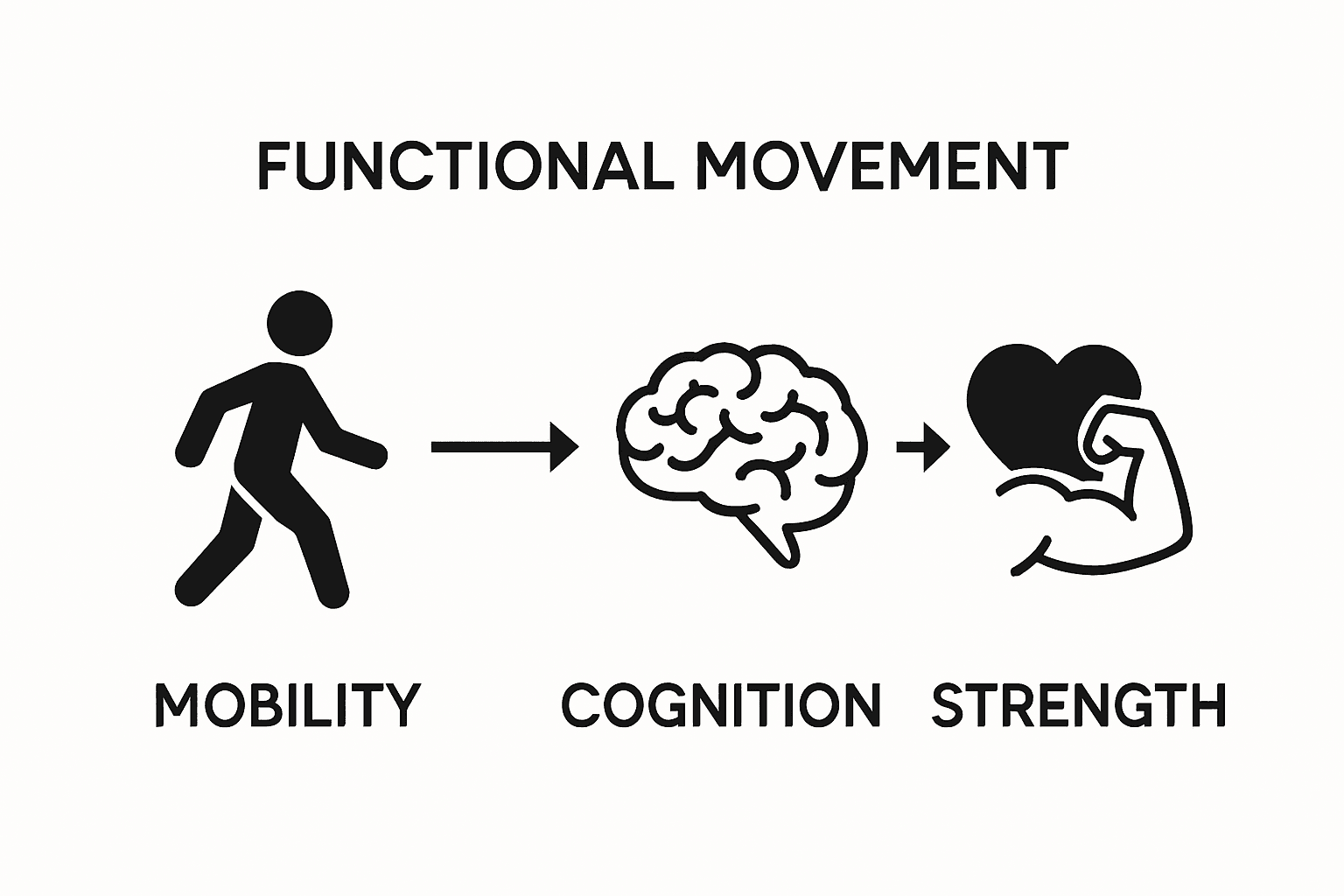
Mental and emotional wellness receive significant positive impacts from functional movement practices. Regular engagement in purposeful physical activities stimulates neuroplasticity, potentially reducing cognitive decline risks and promoting emotional stability. The psychological benefits include increased self-confidence, reduced anxiety, and a more positive outlook on aging. Additionally, core strengthening techniques specifically designed for aging adults can help seniors maintain muscle integrity and prevent age-related physical limitations.
Key wellness benefits of functional movement for seniors include:
- Improved Balance: Reduces fall risks and increases physical confidence
- Enhanced Mobility: Maintains independence in daily activities
- Cognitive Stimulation: Supports brain health and mental acuity
- Emotional Resilience: Boosts mood and reduces stress
- Social Engagement: Creates opportunities for group activities and connections
Pro Tip: Wellness Integration: Start with small, consistent movement practices that you enjoy, gradually building complexity and duration to create sustainable, lifelong wellness habits.
Practical Application in Daily Life
Transforming functional movement from abstract concept to everyday practice requires strategic understanding of how physical capabilities translate into real-world actions. Practical movement integration means recognizing that every daily task presents an opportunity to maintain and improve physical wellness, regardless of age or current fitness level.
Research investigating age-related changes in movement mechanics highlights the importance of purposeful physical engagement. Everyday activities like rising from a chair, carrying groceries, or navigating household chores become opportunities for intentional movement. Simple adjustments in technique can transform routine tasks into mini-exercise sessions that build strength, improve balance, and enhance overall functional capacity.
Supporting physical activity for older adults with complex health needs demonstrates that functional movement can be adapted to individual capabilities. Practical applications include:
- Kitchen Movements: Using counter support for balance while preparing meals
- Household Chores: Incorporating squats while loading laundry or cleaning
- Personal Care: Practicing single-leg balance while brushing teeth
- Stair Navigation: Engaging core muscles and maintaining proper posture
- Gardening: Using lunges and controlled movements during yard work
Dynamic movement strategies can be seamlessly integrated into daily routines. Walking heel-to-toe while waiting in line, practicing standing from a chair without using hands, or doing gentle stretches during commercial breaks are all effective ways to maintain and improve functional mobility.
Pro Tip: Movement Mapping: Identify three daily activities where you can consciously improve your movement quality, focusing on form, balance, and controlled motion.
Common Barriers and How to Overcome Them
Functional movement for aging adults involves navigating multiple complex barriers that can potentially discourage physical activity and wellness engagement. Movement challenges are not insurmountable obstacles, but rather opportunities for strategic adaptation and personal growth.
Observational studies exploring movement barriers among diverse populations reveal that environmental and individual factors significantly impact physical activity participation. Common barriers include:
- Physical limitations and chronic pain
- Fear of injury
- Lack of confidence
- Limited understanding of appropriate exercise techniques
- Time constraints
- Financial limitations for specialized training
Systematic research on flexibility interventions highlights the nuanced challenges older adults face when attempting to maintain functional movement. Physiological changes like reduced muscle elasticity, decreased joint mobility, and slower recovery times can create psychological barriers that discourage consistent physical activity.
Effective strategies for overcoming these barriers involve a holistic, personalized approach:
Review this comparison of common barriers to functional movement and effective solutions:
| Barrier | Why It Happens | Solution Suggestion |
|---|---|---|
| Chronic pain | Past injuries or arthritis | Begin with gentle movements |
| Fear of injury | Past falls or lack of support | Use stable surfaces, move slowly |
| Lack of confidence | Unfamiliarity with exercises | Gradually build up difficulty |
| Limited time | Busy schedules or appointments | Integrate movement into routines |
- Start with low-intensity, gentle movements
- Consult healthcare professionals for personalized guidance
- Focus on incremental progress rather than dramatic transformations
- Develop a supportive, non-judgmental mindset
- Modify exercises to accommodate individual physical capabilities
- Integrate movement into existing daily routines
Pro Tip: Barrier Breakthrough: Create a weekly movement journal documenting small victories, physical sensations, and emotional responses to help build confidence and track personal progress.
Enhance Your Functional Movement and Enjoy Greater Mobility After 40
Struggling with reduced flexibility, balance, or strength as you age can feel frustrating and limit your independence. The article highlights key challenges like diminished joint mobility and coordination that impact everyday tasks like walking, lifting, and balancing. At Real Healthy Haven, we understand these concerns and offer specialized fitness and wellness products designed to support your journey toward stronger, safer movement. Whether you need comfortable activewear, health monitors, or targeted exercise equipment, we have solutions crafted specifically for adults over 40.

Start building your confidence today by exploring our curated collection at Real Healthy Haven. Experience the difference that appropriate gear and wellness supplies can make in maintaining your functional movement and overall well-being. Visit Real Healthy Haven now and take control of your mobility with products that prioritize your health and comfort. Don’t wait to give yourself the strength and balance-focused tools needed for healthy aging.
Frequently Asked Questions
What is functional movement and why is it important for adults over 40?
Functional movement refers to the physical abilities that allow adults to perform everyday tasks like walking, lifting, and maintaining balance. It’s crucial for those over 40 as it helps maintain independence, improves quality of life, and reduces the risk of injury.
How can I start improving my functional movement as I age?
Start with gentle, low-impact exercises that focus on flexibility, strength, balance, and coordination. Incorporating activities like walking, stretching, and resistance training into your routine can help build essential movement capabilities.
What types of functional movements should I focus on after 40?
Key types of functional movements to focus on include locomotion (walking), manipulation (lifting objects), stability movements (balancing), and rotation/twisting. These movements help with daily activities and can improve overall physical capabilities.
How do functional movements benefit mental and emotional well-being?
Engaging in functional movements can stimulate brain health and promote emotional stability by reducing anxiety and increasing self-confidence. It supports neuroplasticity, which can help reduce cognitive decline and enhance mood.
Recommended
- The Essential Guide to Why Mobility Exercises Matter – Real Healthy Haven
- Why Mobility Exercises: Complete Guide for Canadians Over 40 – Real Healthy Haven
- Role Of Mobility In Aging: The Definitive Guide – Real Healthy Haven
- 7 Essential Types of Mobility Aids for Active Aging Adults – Real Healthy Haven
- You’re Not Alone, Loss of Function After a Car Accident is More Common Than You Think
- Ergonomic Tips for Continuing to Work from Home After Coronavirus - Dr. Stephen Oreski & Associates
Leave a comment