

7-Step Balanced Lifestyle Checklist for Healthy Aging

Most American health trends don’t always fit the unique needs of Canadian adults as they move into their 40s and 50s. Staying balanced and healthy is about more than simply following popular advice. With over 80 percent of Canadians reporting at least one chronic health concern by midlife, finding practical fitness solutions and reliable ways to monitor your wellness grows more important each year. Discover smart strategies focused on regular activity, nutrition, hydration, sleep, tech, stress management, and meaningful social connections.
Table of Contents
- 1. Prioritize Regular Physical Activity
- 2. Create a Nutritious Meal Plan
- 3. Maintain Hydration Throughout The Day
- 4. Build A Consistent Sleep Routine
- 5. Monitor Health With Smart Devices
- 6. Practice Daily Stress Management
- 7. Engage In Social And Community Activities
Quick Summary
| Takeaway | Explanation |
|---|---|
| 1. Engage in Regular Physical Activity | Maintain independence and reduce chronic disease risk by incorporating cardiovascular, strength, and flexibility exercises several times a week. |
| 2. Create a Balanced Meal Plan | Focus on nutrient-dense foods like vegetables, whole grains, and lean proteins to support energy and metabolism as you age. |
| 3. Stay Hydrated Daily | Drink at least eight glasses of water and consume hydrating foods to combat dehydration, especially as thirst perception decreases with age. |
| 4. Establish a Consistent Sleep Routine | Prioritize getting 7-8 hours of quality sleep with a regular schedule to optimize health and cognitive function. |
| 5. Engage in Social Activities | Participate in community and social engagements to improve mental health and lower the risks associated with cognitive decline. |
1. Prioritize Regular Physical Activity
Staying physically active is the foundation of healthy aging for Canadian adults. Regular movement isn’t just about fitness it’s about maintaining your independence and quality of life as you progress through your 40s and beyond.
The Government of Canada emphasizes that physical activity plays a critical role in reducing chronic disease risk and preserving critical physical capabilities. Physical activity recommendations highlight the importance of consistent movement for adults over 40, focusing on maintaining strength, balance, and flexibility.
To implement an effective physical activity routine, consider these strategic approaches:
Key Movement Categories:
- Cardiovascular Exercise: Walking, swimming, cycling
- Strength Training: Bodyweight exercises, light resistance training
- Flexibility Work: Stretching, yoga, gentle mobility routines
Your physical activity plan should blend these elements, creating a comprehensive approach to maintaining your body’s capabilities. Start with low impact activities and gradually increase intensity, always listening to your body’s signals and consulting healthcare professionals.
Pro tip: Begin with 30 minutes of mixed activities 3-4 times weekly, breaking longer sessions into shorter 10 minute intervals if needed to build consistent momentum.
2. Create a Nutritious Meal Plan
Nutrition becomes increasingly critical as you progress through your 40s and beyond. A well designed meal plan provides your body with essential nutrients necessary for maintaining energy, supporting metabolism, and preventing age related health challenges.
Canada’s Food Guide offers comprehensive recommendations for creating balanced nutrition strategies tailored to mature adults. The key is developing a meal plan that incorporates diverse food groups while addressing changing metabolic needs.
Key Nutritional Priorities:
- Vegetables and Fruits: Aim for vibrant color variety
- Whole Grains: Select complex carbohydrates with high fiber content
- Lean Proteins: Include fish, legumes, poultry, and plant based options
- Hydration: Maintain consistent water intake throughout the day
Successful meal planning requires understanding your unique nutritional requirements. Consider consulting with a registered dietitian who can help customize a plan addressing your specific health goals, potential chronic conditions, and individual metabolic needs.
When designing your meal strategy, focus on nutrient density rather than calorie restriction. Choose foods rich in vitamins, minerals, and antioxidants that support cellular health and combat age related inflammation.
Pro tip: Prepare weekly meal templates in advance and batch cook nutritious ingredients to simplify healthy eating and reduce daily decision fatigue.
3. Maintain Hydration Throughout the Day
As you age, maintaining proper hydration becomes increasingly critical for overall health and wellness. Your body’s ability to regulate water changes, making intentional fluid intake more important than ever.
Alberta Health Services highlights the complex hydration challenges that adults experience as they grow older, including reduced thirst perception and increased dehydration risks.
Hydration Strategies for Adults Over 40:
- Water Intake: Minimum 8 glasses daily
- Diverse Fluid Sources: Herbal tea, clear broths, water rich fruits
- Tracking Method: Use marked water bottles or smartphone apps
- Consistent Consumption: Small amounts throughout the day
Physiological changes mean your body becomes less efficient at signaling thirst. This makes proactive hydration crucial. Pay attention to subtle signs like slight headaches, reduced energy, or dry skin which can indicate insufficient fluid levels.
Beyond water, incorporate hydrating foods like cucumbers, watermelon, soups, and smoothies. These not only provide additional liquid but also supply essential nutrients that support cellular health.
Pro tip: Keep a 24 ounce water bottle within reach and set hourly reminders to take small sips, making hydration an automatic part of your daily routine.
4. Build a Consistent Sleep Routine
Sleep transforms from a simple biological necessity to a critical health strategy as you progress through midlife. Understanding and implementing a structured sleep routine becomes paramount for maintaining overall wellness and cognitive function.
Statistics Canada emphasizes the importance of consistent sleep patterns for adults, recommending 7–8 hours of quality sleep with regular bedtime and wake times.
Key Sleep Optimization Strategies:
- Consistent Schedule: Same bedtime and wake time daily
- Sleep Environment: Dark, quiet, cool bedroom
- Digital Detox: Limit screen time before bed
- Relaxation Techniques: Meditation, deep breathing
Age related changes in sleep architecture mean you might experience lighter and more fragmented rest. Combat this by creating a deliberate wind down routine that signals to your body it is time to transition into sleep mode.
Consider your bedroom a sanctuary for rest. Invest in comfortable bedding, use blackout curtains, and maintain a temperature between 60 and 67 degrees Fahrenheit for optimal sleep conditions.
Pro tip: Create a consistent 30 minute pre sleep ritual involving gentle stretching, reading, or relaxation techniques to train your body for better sleep quality.
5. Monitor Health With Smart Devices
Technology has revolutionized personal health monitoring, offering adults unprecedented insights into their physical well being. Smart devices provide real time tracking and early detection of potential health changes, empowering you to take proactive control of your wellness journey.
Digital care platforms enable comprehensive health tracking for older Canadians, addressing challenges related to aging and chronic conditions.
Smart Device Monitoring Strategies:
- Wearable Fitness Trackers: Monitor heart rate, steps, sleep quality
- Blood Pressure Monitors: Track cardiovascular health trends
- Glucose Monitoring Systems: Continuous blood sugar insights
- Smart Weight Scales: Track body composition changes
- Sleep Tracking Technology: Analyze sleep patterns and quality
The key is selecting devices that integrate seamlessly with your lifestyle and provide actionable health data. Look for user friendly interfaces, long battery life, and compatibility with smartphone applications.
Consider consulting healthcare professionals to interpret complex health data and develop personalized wellness strategies based on your smart device insights.
Pro tip: Choose health monitoring devices with easy sync capabilities and straightforward data visualization to maximize your understanding and engagement with personal health metrics.
6. Practice Daily Stress Management
Stress management transforms from an optional wellness strategy to a critical health priority as you navigate midlife and beyond. Understanding and implementing effective stress reduction techniques becomes fundamental to maintaining both mental and physical well being.
The Mental Health Commission of Canada highlights specialized mental health support strategies designed specifically for addressing aging related stress challenges.
Comprehensive Stress Reduction Strategies:
- Mindfulness Meditation: Daily 10 minute practice
- Regular Physical Exercise: Low impact activities like walking
- Social Connection: Maintain supportive relationships
- Professional Counseling: Periodic mental health check ins
- Creative Outlets: Journaling, art, music exploration
Stress impacts more than emotional well being. Chronic stress accelerates cellular aging, compromises immune function, and increases risk for cardiovascular complications. Your stress management approach should be holistic integrating physical activity, emotional processing, and intentional relaxation techniques.
Consider group based interventions or community programs that provide structured support and evidence based stress reduction methods. These environments offer both professional guidance and social connection.
Pro tip: Create a personalized 15 minute morning routine combining deep breathing exercises, light stretching, and positive visualization to set a calm tone for your entire day.
7. Engage in Social and Community Activities
Social connections are not merely a pleasant addition to life they are a fundamental pillar of healthy aging. Meaningful community engagement becomes increasingly important as you navigate the transitions of midlife and beyond.
The Government of Canada emphasizes the critical role of social participation in supporting older adults’ well being and quality of life.
Social Engagement Strategies:
- Volunteer Programs: Local charities, community centers
- Group Fitness Classes: Senior oriented exercise groups
- Learning Opportunities: Adult education workshops
- Cultural Activities: Community art classes, music groups
- Support Networks: Senior social clubs, interest based meetups
Research demonstrates that active community participation offers profound health benefits. Regular social interactions can lower risks of cognitive decline, reduce feelings of isolation, and provide opportunities for continued personal growth and learning.
Consider diversifying your social activities to include both structured group events and more spontaneous social interactions. Look for programs that align with your interests and offer meaningful connections with peers who share similar life experiences.
Pro tip: Start by committing to one new social activity per month, gradually expanding your network and discovering engaging community connections that resonate with your personal interests and energy levels.
Below is a comprehensive table summarizing the key strategies and recommendations discussed in the article for maintaining health and wellness for adults in their 40s and beyond.
| Topic | Recommendations | Benefits |
|---|---|---|
| Regular Physical Activity | Incorporate cardiovascular, strength, and flexibility exercises into your weekly routine. | Enhances strength, balance, and overall physical health. |
| Nutritious Meal Planning | Focus on colorful vegetables, whole grains, lean proteins, and fluid-rich foods while consulting a dietitian if necessary. | Supports metabolism, energy levels, and reduces risks of age-related illnesses. |
| Maintaining Hydration | Consume at least eight glasses of water daily, use markers for tracking intake, and incorporate hydrating foods. | Optimizes cellular function and reduces dehydration-related health issues. |
| Sleep Optimization | Establish consistent sleep patterns, a relaxing pre-sleep routine, and a sleep-conducive environment. | Improves cognitive and physical health along with boosted energy levels. |
| Monitoring with Devices | Use wearable fitness trackers, glucose monitoring systems, and other health devices for tracking metrics. | Offers early detection of health changes, enabling proactive health management. |
| Stress Management | Engage in mindfulness exercises, light physical activities, and maintain strong social connections. | Reduces chronic stress, promoting emotional and physical health. |
| Social Engagement | Participate in group activities, volunteer programs, and cultural events to foster connections. | Lowers risks of isolation and cognitive decline while enhancing overall well-being. |
Empower Your Healthy Aging Journey with Customized Wellness Solutions
Navigating the 7-step balanced lifestyle checklist means addressing key challenges like maintaining physical activity, optimizing nutrition, and managing stress effectively. Many adults over 40 struggle with finding tailored fitness gear, reliable health monitors, and trusted supplements that support these goals. By incorporating high-quality tools and products designed specifically for this life stage, you can enhance your strength, hydration, sleep quality, and overall well-being while reducing daily decision fatigue.
Elevate your wellness routine today with a curated selection from Vitamins And Supplements example products – Real Healthy Haven to support cellular health and energy levels.
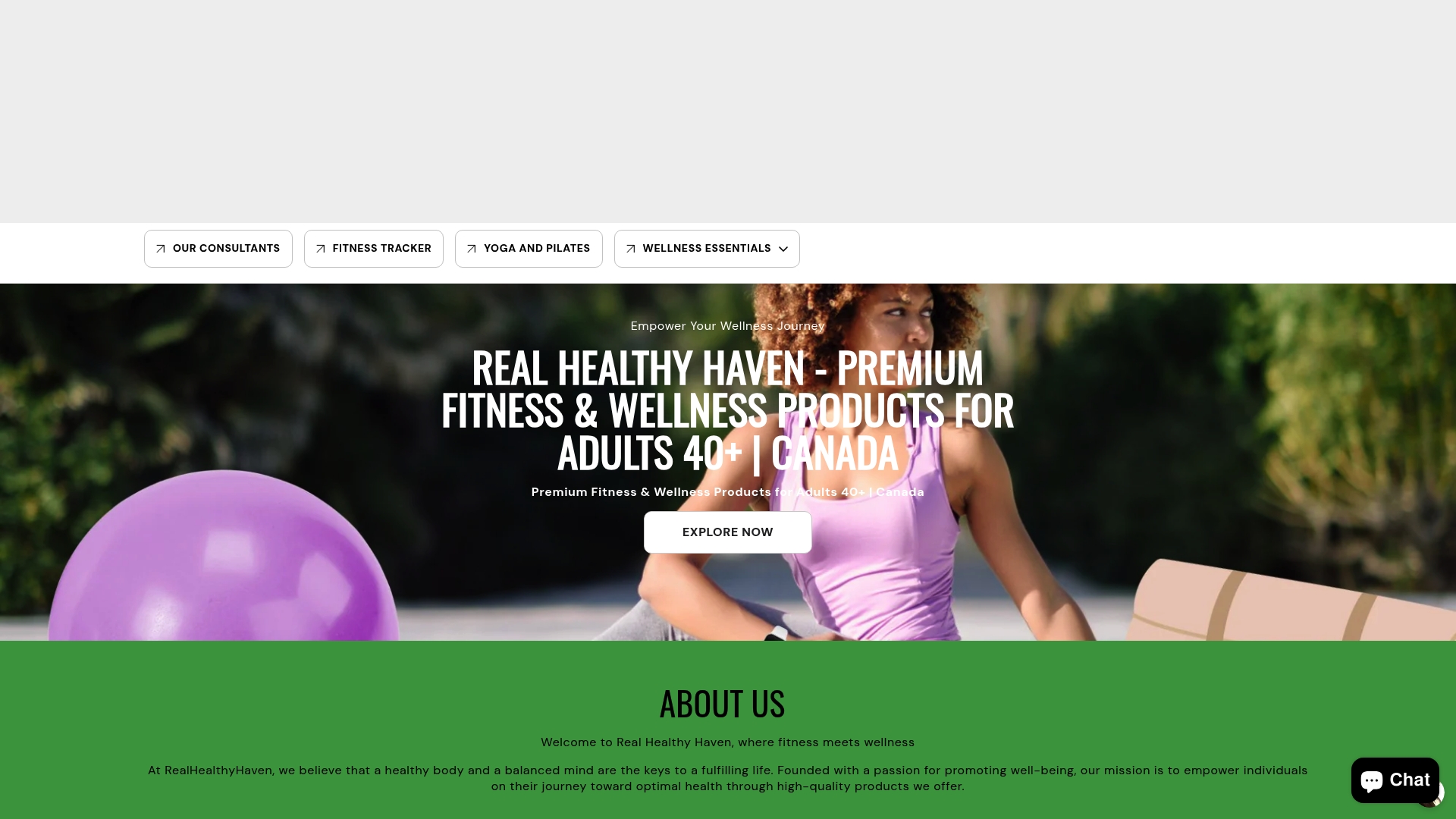
Experience the benefits of specialized fitness and wellness products created for Canadian adults embracing healthy aging. Visit Real Healthy Haven now to explore comfortable activewear, health monitors, therapeutic supplies, and more. Take the next step toward a balanced and vibrant lifestyle by starting your personalized wellness journey today.
Frequently Asked Questions
How can I prioritize regular physical activity for healthy aging?
To prioritize regular physical activity, focus on incorporating a mix of cardiovascular exercises, strength training, and flexibility work into your routine. Aim for at least 30 minutes of mixed activities 3-4 times a week to enhance your strength, balance, and flexibility.
What are the key components of a nutritious meal plan for adults over 40?
A nutritious meal plan for adults over 40 should include a variety of vegetables and fruits, whole grains, and lean proteins. Plan meals that focus on nutrient density rather than calorie restriction, ensuring you’re fueling your body with essential vitamins and minerals.
How much water should I drink daily to maintain hydration as I age?
Aim to drink at least 8 glasses of water daily to maintain proper hydration as you age. Keep a water bottle handy and set hourly reminders to take small sips, making hydration a consistent part of your routine.
What sleep strategies can help improve my sleep quality?
Implement a consistent sleep schedule by going to bed and waking up at the same time each day to enhance sleep quality. Create a relaxing pre-sleep routine with activities like gentle stretching or reading to signal your body it’s time to wind down.
How can I effectively manage stress as I navigate midlife?
To effectively manage stress, practice mindfulness meditation for at least 10 minutes daily and engage in regular physical exercise. Consider creating a personalized morning routine that includes deep breathing exercises and positive visualization to set a calm tone for your day.
What types of social activities can support healthy aging?
Engage in social activities like volunteering, joining group fitness classes, or participating in community education workshops to support healthy aging. Start by committing to one new social activity per month to gradually expand your connections and enhance your well-being.
Recommended
- How to Track Wellness Habits for Healthy Aging Success – Real Healthy Haven
- Complete Guide to Defining Healthy Aging – Real Healthy Haven
- How to Balance Work and Wellness for Healthy Aging Success – Real Healthy Haven
- How to Set Wellness Goals for Healthy Aging Success – Real Healthy Haven
- Improve Hair Health Naturally: Step-by-Step Guide for Results | MyHair
Leave a comment