

Balanced Diet: Key to Healthy Aging After 40

Most American nutrition trends promise quick fixes, yet nearly half of Canadian adults over 40 still struggle to find a balanced approach that actually works. Managing your diet becomes more complex as you age, with metabolism changes and new health priorities. This guide explores science-backed strategies to cut through myths, helping you build a sustainable eating pattern that supports healthy aging and long-term weight management.
Table of Contents
- What Is a Balanced Diet and Common Myths
- Essential Nutrients for Healthy Aging
- Types of Foods for Canadian Adults 40+
- How a Balanced Diet Impacts Weight and Health
- Risks of Unbalanced Eating and Mistakes to Avoid
Key Takeaways
| Point | Details |
|---|---|
| Balanced Diet Importance | A balanced diet is crucial for overall health, providing essential nutrients without extreme restrictions or fad diets. |
| Nutritional Shifts After 40 | Adults over 40 require more focused nutrient intake, particularly for bone health, muscle maintenance, and heart health. |
| Sustainable Eating Habits | Creating enjoyable, mindful eating patterns is key to long-term wellness and preventing chronic diseases. |
| Common Nutritional Mistakes | Avoid skipping meals and relying on processed foods, as they can lead to health issues and nutritional deficits. |
What Is a Balanced Diet and Common Myths
Understanding what constitutes a balanced diet involves more than simply counting calories or following restrictive eating patterns. At its core, a balanced diet provides your body with essential nutrients through strategic food choices that support overall health and wellness. Canada’s Food Guide emphasizes consuming a diverse range of foods that meet your nutritional requirements while promoting long-term well-being.
A balanced diet encompasses several key components that work together to fuel your body effectively. These include:
- Macronutrients: Carbohydrates, proteins, and healthy fats that provide energy and support metabolic functions
- Micronutrients: Vitamins and minerals essential for immune function, tissue repair, and cellular health
- Hydration: Adequate water intake to support bodily processes
Contrary to popular belief, a balanced diet is not about extreme restrictions or following trendy diet plans. The Canadian Health Journal highlights that balanced nutrition is about creating sustainable eating habits that provide consistent energy, support immune function, and reduce risks of chronic diseases like diabetes and heart conditions.
Some common myths about balanced diets persist in popular culture. Many people mistakenly believe that healthy eating means eliminating entire food groups or consuming bland, tasteless meals. In reality, a balanced diet includes enjoyable, flavorful foods from various sources, prepared in ways that preserve their nutritional value. The key is moderation, variety, and mindful portion control.
Pro Tip: Start tracking your daily food intake using a simple smartphone app to understand your current nutritional balance and identify areas for improvement.
Essential Nutrients for Healthy Aging
As adults enter their 40s, nutritional needs become increasingly complex and critical for maintaining overall health and preventing age-related decline. Canada’s Dietary Reference Intakes provide scientifically backed guidelines for essential nutrients that support optimal aging and wellness.
Key nutrients crucial for adults over 40 include:
- Calcium: Supports bone density and reduces osteoporosis risk
- Vitamin D: Enhances calcium absorption and promotes immune function
- Protein: Maintains muscle mass and supports tissue repair
- Fiber: Supports digestive health and helps manage cholesterol levels
- Omega-3 Fatty Acids: Reduces inflammation and supports heart health
Nutritional needs shift dramatically during this life stage. Food Guide recommendations emphasize consuming a diverse diet rich in dark green and orange vegetables, whole grains, lean proteins, and low-fat dairy products. Seniors are particularly advised to incorporate a daily vitamin D supplement of 400 IU to support bone health and reduce fall risks.

Understanding your body’s changing nutritional requirements is not about restrictive dieting but about making informed, strategic food choices. As metabolism slows and muscle mass naturally decreases, focusing on nutrient-dense foods becomes paramount. This means prioritizing quality proteins, complex carbohydrates, healthy fats, and a wide range of vitamins and minerals.
Pro Tip: Consult a registered dietitian to develop a personalized nutrition plan tailored specifically to your age, health status, and metabolic needs.
Here’s how key nutrients change in importance as adults age:
| Nutrient | Age 20-39 Focus | Age 40+ Priority | Reason for Change |
|---|---|---|---|
| Calcium | Supports bone growth | Maintains bone density | Higher osteoporosis risk |
| Protein | Muscle development | Preserves muscle mass | Natural muscle loss begins |
| Fiber | Digestive regulation | Cholesterol management | Heart disease risk increases |
| Vitamin D | General immunity | Bone health, immunity | Absorption declines with age |
| Omega-3s | Brain health | Heart, joint health | Inflammation increases |
Types of Foods for Canadian Adults 40+
As Canadian adults enter their 40s, strategic food selection becomes crucial for maintaining optimal health and preventing age-related nutritional challenges. Canada’s Food Guide recommendations emphasize the importance of consuming a diverse range of nutrient-dense foods that support overall wellness and metabolic function.
Key food categories essential for adults over 40 include:
-
Vegetables and Fruits:
- Dark green vegetables (spinach, kale)
- Orange vegetables (carrots, sweet potatoes)
- Diverse color spectrum for maximum nutrient intake
- Whole Grains: Quinoa, brown rice, whole wheat bread
-
Protein Sources:
- Plant-based: Legumes, nuts, seeds, tofu
- Animal-based: Fish, lean poultry, low-fat dairy
Nutritional priorities shift significantly during midlife, requiring more intentional food choices. Food guide insights highlight the importance of selecting minimally processed foods, limiting sodium and saturated fats, and incorporating a variety of nutrient-rich options. For those over 50, a daily vitamin D supplement of 400 IU is particularly recommended to support bone health and overall immune function.
Making informed food selections goes beyond simple calorie counting. It involves understanding how different nutrients interact and support your body’s changing metabolic needs. Focus on creating balanced meals that provide sustained energy, support muscle maintenance, and help manage potential age-related health risks.
Pro Tip: Meal prep weekly using a variety of colorful, whole foods to ensure consistent nutrient intake and simplify healthy eating.
See how food processing impacts health outcomes for adults over 40:
| Food Type | Health Impact | Example Foods | Nutrition Benefit |
|---|---|---|---|
| Minimally processed | Supports longevity | Fresh vegetables | Higher vitamin content |
| Heavily processed | Increases health risks | Packaged snacks | High sodium and sugars |
| Lean proteins | Maintains muscle mass | Skinless chicken | Quality amino acids |
| Whole grains | Aids digestive health | Brown rice, quinoa | Rich in dietary fiber |
How a Balanced Diet Impacts Weight and Health
Maintaining a healthy weight and optimal wellness becomes increasingly challenging for Canadian adults after 40, as metabolic processes naturally slow down. Canada’s Healthy Eating Strategy provides critical insights into how nutritional choices directly influence body composition, chronic disease risk, and overall health outcomes.
The impact of a balanced diet on weight management and health involves multiple interconnected factors:
-
Metabolic Regulation:
- Supports stable blood sugar levels
- Helps maintain muscle mass
- Prevents unnecessary fat storage
-
Disease Prevention:
- Reduces risks of heart disease
- Manages cholesterol levels
- Supports blood pressure control
-
Energy Management:
- Provides consistent energy throughout the day
- Prevents excessive hunger and cravings
- Supports healthy hormone balance
Beyond weight control, Heart and Stroke Canada’s research emphasizes that a balanced diet plays a crucial role in cardiovascular health. Consuming whole grains, plant-based proteins, and limiting processed foods can significantly improve cholesterol levels, blood sugar control, and reduce inflammation associated with aging.
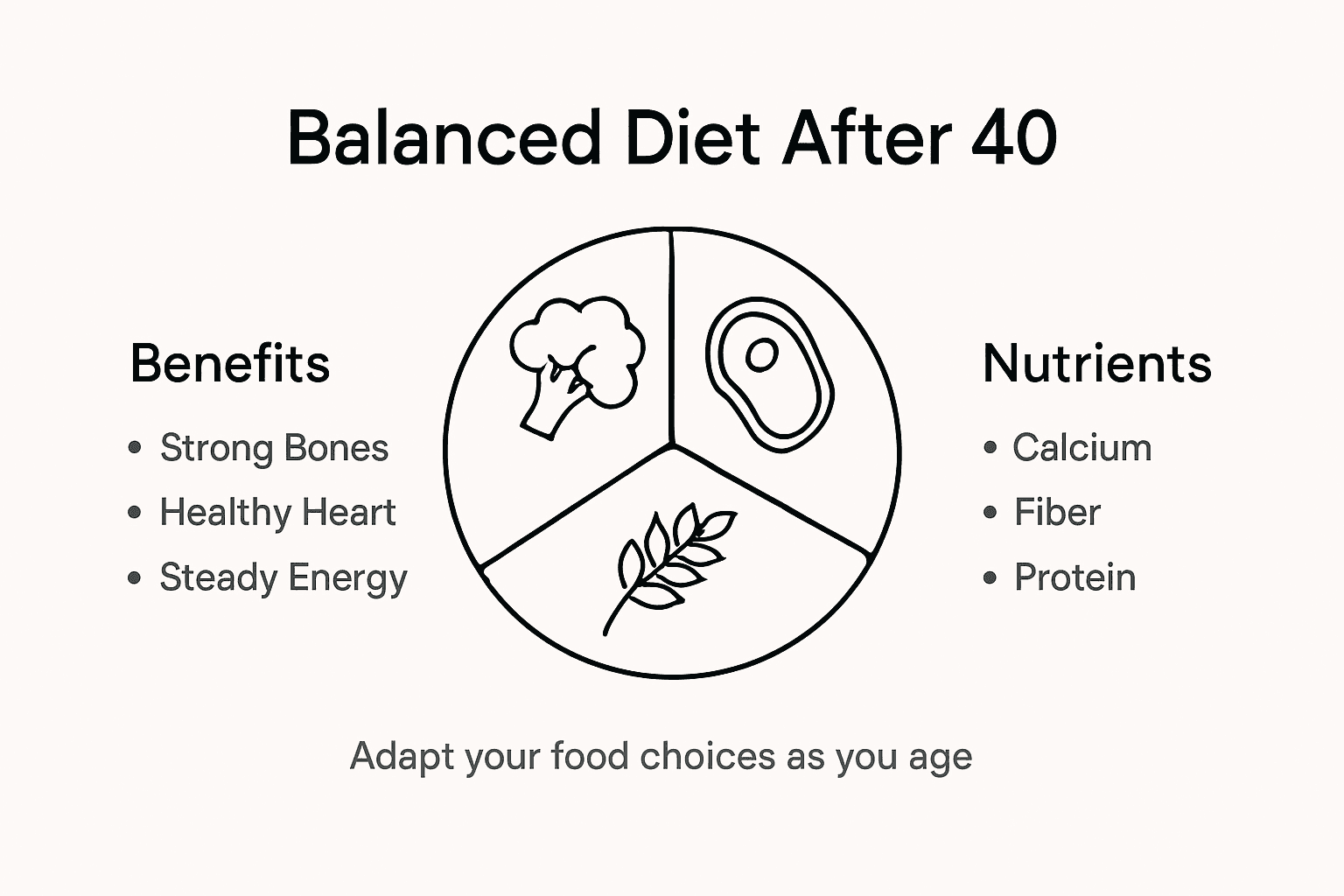
Understanding that nutrition is not about restrictive dieting but creating sustainable, enjoyable eating patterns is key. For adults over 40, this means focusing on nutrient-dense foods that support metabolic health, provide essential vitamins and minerals, and help maintain an ideal body composition without feeling deprived.
Pro Tip: Practice mindful eating by using smaller plates and paying attention to hunger and fullness signals to naturally regulate portion sizes and support healthy weight management.
Risks of Unbalanced Eating and Mistakes to Avoid
As Canadian adults transition through midlife, understanding the potential pitfalls of poor nutrition becomes critically important. Canada’s Food Guide highlights that regular consumption of processed foods can dramatically increase risks of chronic health conditions, including obesity, cardiovascular disease, type 2 diabetes, and certain cancers.
Common nutritional mistakes for adults over 40 include:
-
Dietary Misconceptions:
- Skipping meals to lose weight
- Relying on processed convenience foods
- Ignoring portion control
-
Nutritional Blind Spots:
- Consuming excessive sodium
- Overlooking hidden sugar content
- Neglecting nutrient diversity
-
Lifestyle Traps:
- Frequent restaurant eating
- Inconsistent meal planning
- Emotional or stress-related eating
Nutritional improvement strategies emphasize the importance of understanding personal dietary barriers. Cost, time constraints, and nutritional confusion often lead individuals to make suboptimal food choices. Overcoming these challenges requires a multifaceted approach that includes meal preparation, mindful grocery shopping, and developing a deeper understanding of nutritional needs.
Transitioning to a balanced diet is not about perfection but consistent, intentional choices. For adults over 40, this means recognizing that every meal is an opportunity to nourish your body, support metabolic health, and prevent age-related nutritional deficiencies. Understanding food labels, practicing portion control, and prioritizing whole, minimally processed foods can transform your approach to nutrition.
Pro Tip: Keep a weekly food diary to identify patterns, track nutrient intake, and recognize areas where your diet might need strategic adjustments.
Embrace Healthy Aging with the Right Support
As the article highlights, maintaining a balanced diet rich in essential nutrients like calcium, protein, and vitamin D is vital for adults over 40 to support bone health, muscle maintenance, and overall wellness. However, nutrition is just one piece of the puzzle. Achieving lasting health also means integrating exercise, monitoring vital health indicators, and using quality wellness products designed specifically for your evolving needs.
Discover how Real Healthy Haven complements your healthy aging journey by offering tailored fitness equipment, wellness supplements, and health monitors that make it easier to implement the balanced lifestyle the article discusses. Start today by exploring our curated collections designed especially for Canadian adults 40 and above. Take control of your health with trusted products and expert support. Visit Real Healthy Haven now and find the tools that empower your path to healthy aging.
Frequently Asked Questions
What is a balanced diet?
A balanced diet provides your body with essential nutrients through a variety of foods, including macronutrients (carbohydrates, proteins, and healthy fats), micronutrients (vitamins and minerals), and adequate hydration to support overall health and wellness.
Why is a balanced diet important for individuals over 40?
As individuals age, their nutritional needs change. A balanced diet helps maintain muscle mass, supports bone health, regulates metabolism, and reduces the risk of chronic diseases, making it essential for healthy aging after 40.
What key nutrients should adults over 40 prioritize in their diet?
Key nutrients for adults over 40 include calcium for bone density, vitamin D for calcium absorption and immune function, protein for muscle maintenance, fiber for digestive health, and omega-3 fatty acids for heart health.
How can I avoid common nutritional mistakes as I age?
To avoid common mistakes, focus on meal preparation, be mindful of portion sizes, diversify your nutrient intake, limit processed foods, and understand your personal dietary needs to make informed food choices.
Recommended
- Midlife Nutrition Essentials: Complete Guide for Canadians – Real Healthy Haven
- Role of Nutrition for Adults – Impact on Healthy Aging – Real Healthy Haven
- How to Shop for Healthy Food Naturally After 40 – Real Healthy Haven
- Complete Guide to Healthy Weight Loss After 40 – Real Healthy Haven
- Is 60 too old for dental implants? - Albania Dental Implants
Leave a comment