

How to Start Strength Training for Healthy Aging

Starting a new strength training routine can feel overwhelming, especially if you have not worked out in years. Older adults who strength train twice a week can slow muscle loss by up to 50 percent according to major guidelines. Most people assume you need fancy gym memberships or perfect health to get results. The real game starts with a simple step that anyone can take from home: honestly assessing your current fitness level.
Table of Contents
- Step 1: Assess Your Current Fitness Level
- Step 2: Set Clear Strength Training Goals
- Step 3: Select Appropriate Exercises
- Step 4: Create A Weekly Workout Schedule
- Step 5: Monitor Your Progress And Adjust
Quick Summary
| Key Point | Explanation |
|---|---|
| 1. Assess your fitness level first | Understand your physical condition to tailor a safe, effective workout plan before starting strength training. |
| 2. Set SMART goals for training | Develop Specific, Measurable, Achievable, Relevant, and Time-bound objectives to give direction and motivation to your fitness journey. |
| 3. Choose appropriate exercises | Focus on compound movements that enhance strength and mimic everyday activities while considering your health objectives. |
| 4. Create a balanced workout schedule | Plan strength training across 3-4 days a week with adequate recovery time to ensure muscle growth and prevent injury. |
| 5. Monitor and adjust your progress | Track your workout results and make informed adjustments based on your body’s responses to ensure continuous improvement and avoid plateaus. |
Step 1: Assess Your Current Fitness Level
Before jumping into strength training, understanding your current physical condition is crucial for creating a safe and effective workout plan. Self assessment helps prevent potential injuries and provides a realistic starting point for your fitness journey. This initial step is not about comparing yourself to others, but establishing a personalized baseline that respects your unique body and health status.
Begin by scheduling a comprehensive physical examination with your healthcare provider. During this checkup, discuss your intention to start strength training and request a thorough evaluation of your overall health. Your doctor can identify any underlying conditions or physical limitations that might require modification to your exercise routine. According to the American College of Sports Medicine, medical clearance is especially important for adults over 40 who are initiating a new fitness regimen.
Next, conduct a personal fitness inventory by performing some basic physical tests. These assessments will help you understand your current strength, flexibility, and cardiovascular endurance. Start with simple movements like bodyweight squats, push ups against a wall, and a basic flexibility test where you reach toward your toes. Pay attention to how your body responds. Can you complete these movements comfortably? Do you experience any pain or significant strain? Take notes on your performance and any physical sensations.
Below is a checklist table summarizing key self-assessment areas and what to note before starting a strength training program. Use this as a reference to prepare for safe and effective exercise.
| Assessment Area | What to Record |
|---|---|
| Current Weight | Your most recent weight measurement |
| Resting Heart Rate | Pulse rate when relaxed |
| Range of Motion | How far you can comfortably stretch or reach |
| Exercise Repetitions | Number completed for each basic movement |
| Discomfort or Limitations | Any pain or restricted mobility observed |
| Doctor's Recommendations | Special advice or restrictions from your exam |
| Baseline Physical Tests | Notes on form, effort, and body response |
Consider tracking key metrics that will help you monitor progress. These might include:
- Current weight
- Resting heart rate
- Basic range of motion measurements
- Number of repetitions you can complete in basic exercises
- Areas of physical discomfort or limited mobility
If possible, working with a certified fitness professional who specializes in training mature adults can provide an even more comprehensive assessment. They can conduct professional strength and mobility tests, identify muscle imbalances, and design a tailored strength training approach that matches your specific needs.
Remember, this initial assessment is not about perfection but about establishing a starting point. Your goal is to understand your body’s current capabilities and potential areas for improvement. By taking this methodical approach, you set yourself up for a safer, more enjoyable strength training experience that adapts to your individual health profile.
Step 2: Set Clear Strength Training Goals
Strength training goals provide direction, motivation, and a roadmap for your fitness journey. Establishing precise, personalized objectives transforms your workout from a random activity into a purposeful progression. Your goals should reflect not just physical aspirations, but also your overall health and quality of life improvements.
Research from the National Institute on Aging indicates that targeted strength training can help older adults maintain muscle mass, improve balance, and enhance overall functional mobility. With this understanding, begin by reflecting on your specific motivations. Are you seeking to improve daily functional movements, reduce fall risk, manage chronic conditions, or simply feel more confident in your physical capabilities?
When crafting your goals, embrace the SMART framework: Specific, Measurable, Achievable, Relevant, and Time Bound. Instead of a vague objective like “get stronger,” develop concrete targets. For instance, “Increase my ability to lift grocery bags without strain” or “Complete three full pushups with proper form within three months” are more actionable and motivating goals.
Consider creating goals across multiple dimensions:
- Physical strength improvements
- Mobility and flexibility enhancements
- Balance and stability objectives
- Functional movement capabilities
- Overall health and wellness markers
Document your goals in a dedicated fitness journal or digital tracking app. This practice not only helps you stay accountable but also allows you to track progress and make informed adjustments. Break down larger goals into smaller, incremental milestones that provide consistent motivation and a sense of achievement.
Be realistic and compassionate with yourself. Goals should challenge you without creating undue stress or potential for injury. If you’re new to strength training or returning after a long break, start conservatively. Your objectives might initially focus on consistent participation, proper form, and gradual progression rather than dramatic transformations.
Remember that goal setting is an evolving process. What works today might need adjustment in a few months as your body adapts and your fitness level changes. Schedule quarterly reviews of your strength training goals, celebrating achievements and recalibrating your approach as needed. This flexible mindset ensures your fitness journey remains engaging, sustainable, and aligned with your overall health objectives.
Step 3: Select Appropriate Exercises
Choosing the right strength training exercises is crucial for creating a safe, effective, and enjoyable fitness routine. Your exercise selection should align with your personal fitness assessment, health goals, and current physical capabilities. Think of this process as curating a personalized workout menu that nourishes your body and supports your overall well being.
According to the American Council on Exercise, focus on compound movements that engage multiple muscle groups simultaneously. These exercises are particularly beneficial for mature adults as they improve functional strength, enhance coordination, and reduce the risk of injury. Prioritize movements that mimic everyday activities like squatting, pushing, pulling, and lifting.
Begin with bodyweight exercises that allow you to master proper form before introducing external resistance. Fundamental movements should include:
- Bodyweight squats
- Wall push ups
- Modified lunges
- Standing balance exercises
- Seated leg lifts
- Gentle core stabilization movements
Progression is key in strength training. Start with low resistance and focus intently on technique. Proper form trumps the amount of weight or number of repetitions. Consider working with a certified fitness professional who specializes in training mature adults. They can provide personalized modifications and ensure you’re performing exercises safely and effectively.
When selecting exercises, consider your specific health objectives and any physical limitations. If you have joint issues, look for low impact variations that minimize stress on vulnerable areas. Resistance bands, lightweight dumbbells, and stability tools can provide excellent alternatives to traditional weight training. These tools offer adjustable resistance and can be used safely in various settings, from home to community fitness centers.
Diversify your exercise selection to prevent boredom and target different muscle groups.
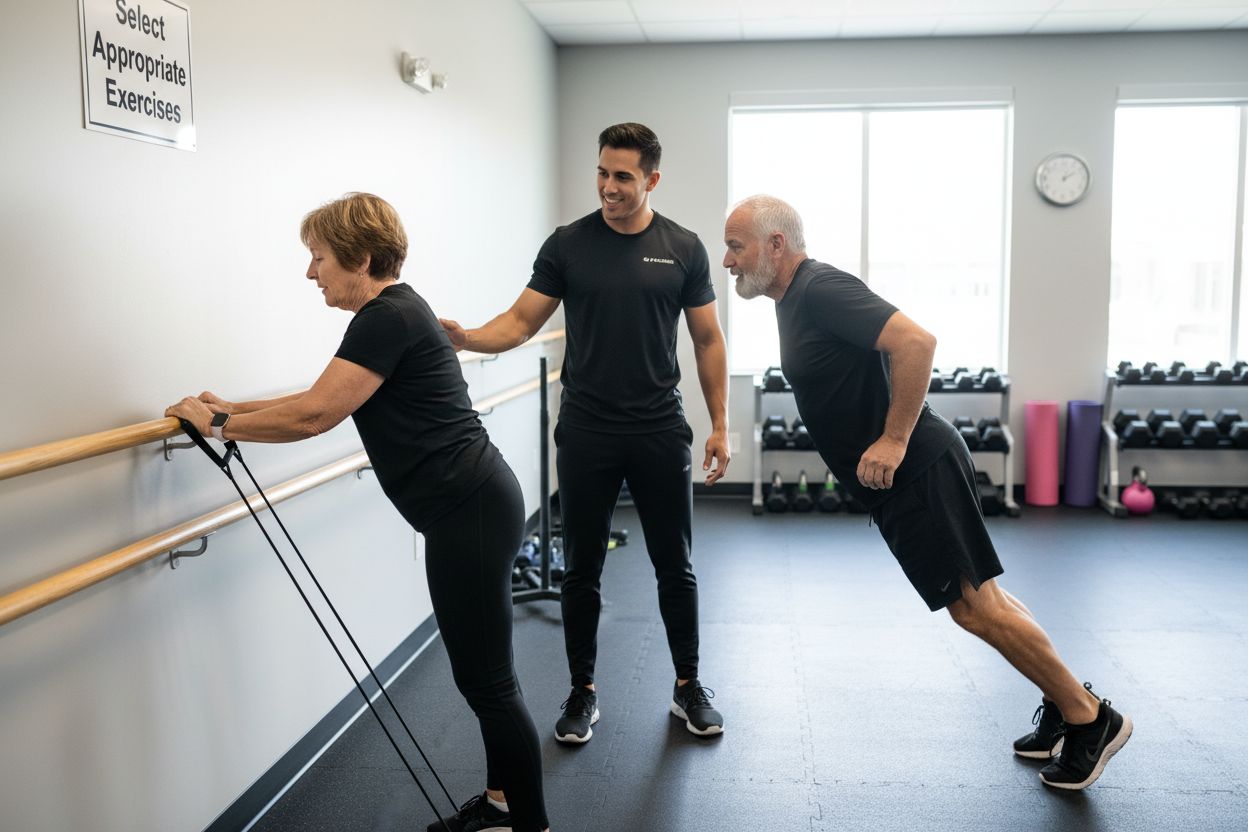 Rotating between strength training modalities like bodyweight exercises, resistance band work, and lightweight free weights keeps your routine engaging and challenges your body in unique ways. Listen to your body and be prepared to modify exercises as needed. Some days you might feel more energetic, while other days require a gentler approach.
Your exercise selection is a dynamic process that will evolve with your fitness journey. Regularly reassess your routine, celebrate small improvements, and remain open to trying new movements. The goal is not perfection, but consistent, enjoyable progress that supports your overall health and functional strength.
This table compares common types of beginner-friendly strength training exercises for older adults, highlighting main focus areas and suggestions for progression. Refer to it when choosing starting movements for your routine.
| Exercise | Main Muscle Groups | Functional Benefit | Suggestion for Progression |
|---|---|---|---|
| Bodyweight Squats | Legs, Glutes | Standing, sitting, mobility | Hold light weights |
| Wall Push Ups | Chest, Arms, Shoulders | Pushing objects, upper body strength | Transition to countertop pushups |
| Modified Lunges | Legs, Core, Balance | Stepping, climbing stairs | Add resistance bands |
| Seated Leg Lifts | Quads, Hip Flexors | Stability, standing from chair | Hold ankle weights |
| Standing Balance | Core, Lower Body | Fall prevention, coordination | Increase duration |
| Gentle Core Stabilization | Abdominals, Back | Posture, overall stability | Advance to planks |
Step 4: Create a Weekly Workout Schedule
Developing a thoughtful weekly workout schedule transforms sporadic exercise into a consistent, sustainable fitness routine. Your schedule should balance strength training with adequate recovery time, ensuring your body has opportunities to heal and build muscle effectively. Thoughtful planning prevents burnout and reduces the risk of injury.
According to the Canadian 24-Hour Movement Guidelines, older adults should aim for at least two non-consecutive days of muscle strengthening activities per week. This recommendation provides a foundational framework for structuring your strength training approach.
Begin by mapping out your weekly schedule, considering your personal commitments, energy levels, and recovery needs. Strength training sessions for mature adults typically work best when spread across three to four days, allowing substantial rest between workouts. For example, you might schedule strength training on Monday, Wednesday, and Friday, leaving Tuesday, Thursday, and the weekend for light activity, rest, or complementary exercises like walking or gentle stretching.
Consider these key scheduling principles:
-
Alternate muscle group focus
-
Include rest and recovery days
-
Maintain consistent workout times
-
Allow flexibility for life’s unexpected events
-
Listen to your body’s signals
Tracking your workouts is as important as creating the schedule itself. Use a dedicated fitness journal, smartphone app, or digital calendar to log your planned sessions and actual performance. This documentation helps you maintain accountability, track progress, and identify patterns in your fitness journey.
Be prepared to adjust your schedule as you progress. What works perfectly in your first month might need modification as your strength and endurance improve. Some weeks you might feel more energetic and want to increase intensity, while other weeks might require a more gentle approach. The key is maintaining consistency while remaining adaptable.
Remember that your workout schedule should integrate seamlessly into your lifestyle. If morning workouts feel challenging, consider afternoon or early evening sessions. Choose times when you feel most energetic and have fewer competing priorities. Successful strength training is about creating a sustainable rhythm that feels manageable and enjoyable, not creating an overwhelming or rigid regimen that you’re likely to abandon.
Step 5: Monitor Your Progress and Adjust
Tracking your strength training journey transforms your fitness routine from a random activity into a strategic, personalized progression. Monitoring progress goes beyond simply measuring physical changes; it’s about understanding how your body responds to exercise and making informed, compassionate adjustments along the way.
According to the National Institute on Aging, systematic progress tracking helps older adults maintain motivation and identify potential areas for improvement. Begin by establishing baseline measurements during your initial fitness assessment. These might include body measurements, weight, strength test results, and subjective feelings about mobility and energy levels.
Develop a comprehensive tracking system that captures multiple dimensions of your fitness journey. Create a dedicated fitness journal or use a digital tracking app that allows you to record detailed information about each workout. Your tracking should include:
- Number of repetitions completed
- Weight or resistance used
- Perceived effort level
- Physical sensations during and after exercise
- Recovery time and muscle soreness
- Emotional and energy responses
Periodic assessments are crucial for understanding your progress and making intelligent adjustments. Schedule quarterly check ins where you comprehensively review your fitness data. During these reviews, compare your current performance against initial baseline measurements.
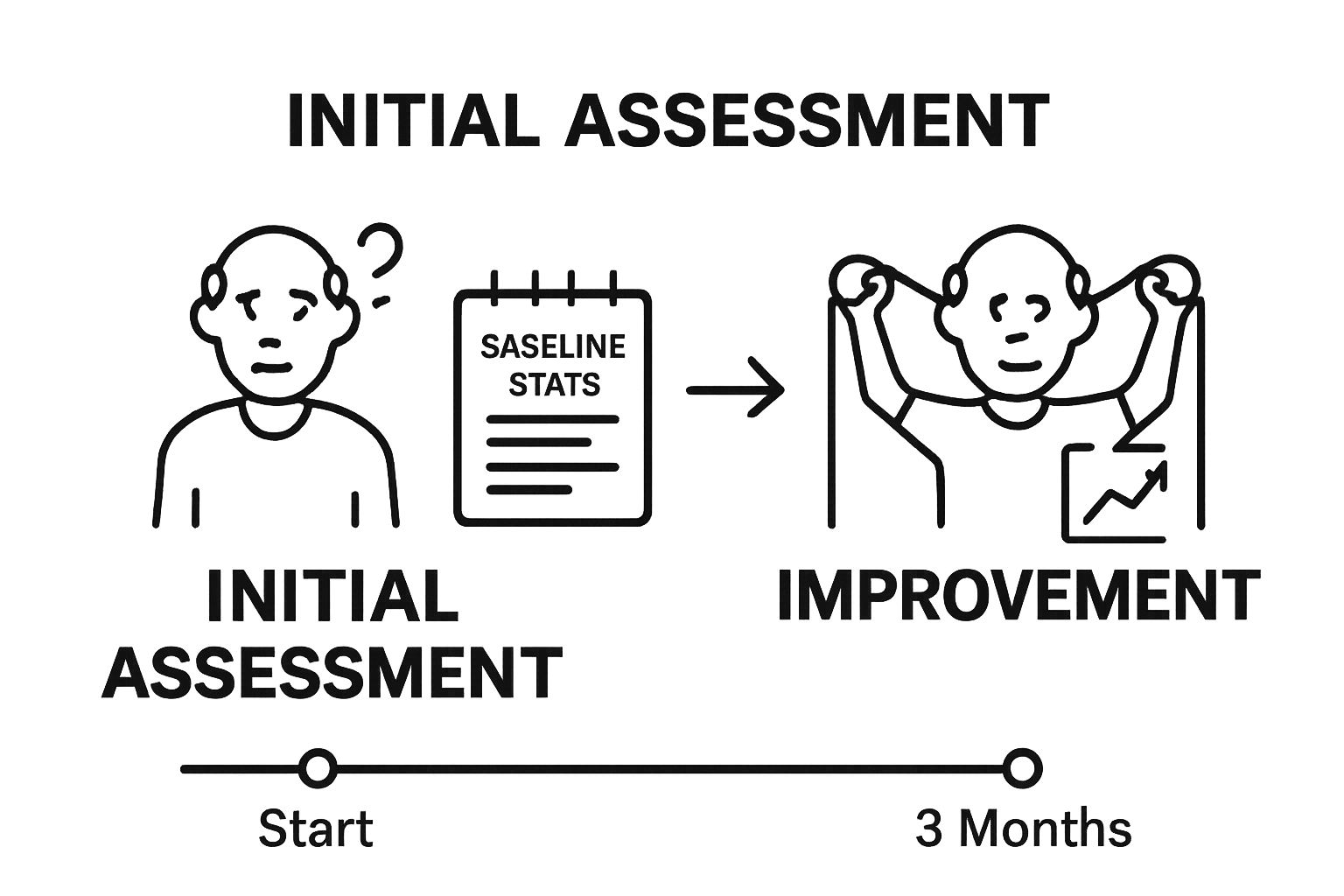 Look for trends in strength improvements, changes in mobility, and overall functional capacity.
Remain flexible and compassionate with yourself. Progress is rarely linear, especially for mature adults beginning a strength training journey. Some weeks you might experience significant improvements, while others might feel like plateaus. These variations are normal and do not indicate failure. Instead, view them as valuable information that helps you fine tune your approach.
Be prepared to modify your workout routine based on your observations. If certain exercises consistently cause discomfort or you’re not seeing desired results, consult a fitness professional who can help you adjust your technique or recommend alternative movements. Your strength training plan should evolve alongside your body’s changing capabilities and health requirements.
The ultimate goal of monitoring is not perfection, but continuous, sustainable improvement. Celebrate small victories, learn from challenges, and maintain a curious, adaptive mindset. Your strength training journey is a personal exploration of what your body can achieve, guided by careful observation and compassionate self understanding.
Transform Your Healthy Aging Journey with Specialized Tools
Starting strength training for healthy aging can feel overwhelming, especially if you are unsure where to begin or worried about choosing the right equipment. You want to prevent injury, track progress, and build a routine that fits your unique needs. Our platform understands these challenges. That is why our curated collection at Real Healthy Haven offers everything you need to assess your fitness level, set targeted goals, and stay consistent. We focus on real solutions for adults over 40 who value safe, reliable support for their health journey.

Now is the perfect time to invest in your well-being. Explore easy-to-use fitness gear, health monitors, and supportive activewear right at your fingertips. Visit Real Healthy Haven to find products designed for mature adults in Canada, all with free shipping nationwide. Take the first step towards smarter strength training and healthier living. Discover your ideal tools and make every workout count today.
Frequently Asked Questions
What is the first step to start strength training for healthy aging?
Before starting strength training, it’s crucial to assess your current fitness level. Schedule a comprehensive physical examination with your healthcare provider to identify any underlying conditions or physical limitations, and perform basic physical tests to understand your strength and flexibility.
How can I set effective strength training goals?
Use the SMART framework to create clear, specific, measurable, achievable, relevant, and time-bound goals. For example, instead of vague goals, aim for objectives like “Complete three full pushups with proper form within three months” to guide your training.
What types of exercises should I include in my strength training routine?
Focus on compound movements that engage multiple muscle groups, like bodyweight squats, wall push-ups, and modified lunges. Start with bodyweight exercises to master proper form before introducing external resistance.
How often should I schedule strength training sessions?
Aim for at least two non-consecutive days of muscle-strengthening activities per week, ideally spreading sessions across three to four days. This allows adequate recovery time for muscle building and prevents injury.
Leave a comment