

7 Desk Exercise Examples for Healthy Aging Over 40

Desk work is a silent threat for anyone over 40 and the numbers do not lie. Sedentary office jobs are a major cause of muscle tension, poor flexibility, and chronic pain for millions of professionals. Most people think a gym membership is the only way to fight back against aching joints and stiffness. Surprising as it sounds, you can actually do powerful, effective exercises right from your office chair with no equipment and hardly anyone noticing.
Table of Contents
- Stretch Your Neck And Shoulders
- Seated Torso Twists For Back Relief
- Desk Push-Ups For Upper Body Strength
- Chair Squats To Boost Leg Muscle
- Ankle Rolls For Joint Flexibility
- Wrist And Finger Stretches To Avoid Strain
- Taking Regular Movement Breaks For Overall Health
Quick Summary
| Takeaway | Explanation |
|---|---|
| Incorporate Desk Exercises Daily | Regular stretches and exercises at your desk can help alleviate tension and maintain mobility as you work. |
| Focus on Proper Techniques | Controlled movements during exercises reduce the risk of injury and ensure maximum effectiveness in strengthening muscles. |
| Utilize Movement Breaks | Scheduled movement intervals throughout the day enhance overall health and mitigate risks associated with prolonged sitting. |
| Engage Core During Exercises | Activating core muscles provides stability and support, helpful in maintaining proper posture during movements. |
| Adjust Workspace Ergonomics | Maintaining a good ergonomic setup can prevent unnecessary strain on your body, improving comfort and productivity. |
1: Stretch Your Neck and Shoulders
As we age, maintaining flexibility and reducing tension in our neck and shoulder muscles becomes increasingly important. Desk exercise examples targeting these areas can help prevent stiffness, reduce potential pain, and improve overall mobility. Sedentary work environments often contribute to muscle tension, making targeted stretches crucial for professionals over 40.
Physical strain in the neck and shoulder regions frequently develops from prolonged sitting, poor posture, and repetitive computer work. Research from the American Physical Therapy Association indicates that consistent stretching can significantly mitigate these workplace-related musculoskeletal challenges.
When performing desk exercises for neck and shoulders, consider these strategic approaches:
- Gentle neck rotations: Slowly turn your head side to side
- Shoulder blade squeezes: Pull shoulders back while sitting upright
- Seated neck stretches: Carefully tilt head toward each shoulder
Proper technique is paramount. Movements should be slow, controlled, and never cause pain. Start with minimal repetitions and gradually increase as your muscles become more flexible. Professional physical therapists recommend holding each stretch for approximately 15-20 seconds without bouncing or forcing the movement.
Additional considerations include maintaining good ergonomic positioning during work. Adjust your chair and computer screen to promote natural alignment, which reduces unnecessary strain on neck and shoulder muscles. Ergonomic awareness combined with regular stretching can dramatically improve workplace comfort and long-term physical health.
Consistent practice of these desk exercise examples will help maintain muscle elasticity, prevent stiffness, and support overall physical wellness as you navigate professional responsibilities in your 40s and beyond.
2: Seated Torso Twists for Back Relief
Maintaining spinal flexibility becomes increasingly crucial as we age, particularly for professionals spending extensive time at desks. Seated torso twists represent an excellent desk exercise example designed to combat back stiffness and promote overall spinal health for individuals over 40.
Research from the National Institutes of Health demonstrates that regular spinal mobility exercises can significantly reduce lower back pain and improve overall musculoskeletal function. These desk exercise examples targeting the torso provide a practical solution for workplace wellness.
When performing seated torso twists, practitioners should focus on proper technique and controlled movements:
- Sit upright with feet flat on the floor
- Maintain a straight spine throughout the movement
- Breathe steadily and smoothly
- Move slowly and deliberately
Core engagement is critical during these exercises. By activating abdominal muscles, you create additional stability and support for your spine. This approach not only helps prevent potential injuries but also strengthens the muscular support system surrounding your vertebral column.
Potential benefits of regular seated torso twists include:
- Increased spinal flexibility
- Reduced muscular tension
- Improved posture
- Enhanced circulation in the back muscles
Individuals with pre-existing back conditions should consult healthcare professionals before initiating any new exercise routine. Modifications can be made to accommodate different fitness levels and physical limitations. For instance, those with limited mobility might start with gentler, smaller twisting movements and gradually increase range of motion.
Consistent practice transforms these desk exercise examples from simple stretches into powerful tools for maintaining physical wellness. By dedicating just a few minutes daily to seated torso twists, professionals can proactively combat the sedentary challenges inherent in modern workplace environments.
3: Desk Push-Ups for Upper Body Strength
Maintaining muscle strength after 40 requires strategic and adaptable exercise approaches, with desk push-ups emerging as an exceptional desk exercise example for professionals seeking convenient upper body conditioning. These modified push-ups transform your workspace into a mini fitness zone without requiring specialized equipment.
Research published in the Journal of Strength and Conditioning confirms that resistance exercises like push-ups remain crucial for preserving muscle mass and functional strength in mature adults. Desk push-ups offer a low-impact, accessible alternative to traditional floor exercises.
When performing desk push-ups, consider these fundamental technique guidelines:
- Position hands shoulder-width apart on desk edge
- Maintain a straight body alignment from head to heels
- Keep core muscles engaged throughout movement
- Breathe consistently during repetitions
Body positioning is critical for maximizing effectiveness and preventing potential strain. Your desk should be sturdy and capable of supporting your body weight without sliding. Wooden or metal desks with substantial support work best for these desk exercise examples.
Benefits of incorporating desk push-ups into your daily routine include:
- Improved upper body muscular endurance
- Enhanced chest and arm strength
- Better postural control
- Increased metabolic rate
Modification options exist for varying fitness levels. Beginners might start with lighter angles or shorter ranges of motion, while more advanced practitioners can increase repetitions or adjust body positioning for greater challenge. Always listen to your body and progress gradually.
Professionals over 40 can transform sedentary work environments into opportunities for consistent, low-impact strength training. By integrating desk push-ups into daily routines, individuals can counteract muscle deterioration and maintain functional fitness without disrupting workplace productivity.
4: Chair Squats to Boost Leg Muscle
Leg strength becomes increasingly important as we age, with chair squats emerging as an exceptional desk exercise example for maintaining lower body muscle tone and functional mobility. These controlled movements offer professionals over 40 a practical method for combating muscle deterioration associated with sedentary work environments.
Research from the American College of Sports Medicine highlights the critical role of resistance exercises in preserving muscle mass and preventing age-related physical decline. Chair squats provide an accessible, low-impact strategy for sustained leg muscle development.
When performing chair squats, practitioners should focus on precise technique and controlled movements:
- Position chair against a wall for added stability
- Stand with feet shoulder-width apart
- Keep back straight and chest lifted
- Move slowly and deliberately
Proper form is crucial for maximizing muscle engagement and preventing potential injury. The goal is not speed but controlled, intentional movement that challenges leg muscles without creating undue stress. Individuals can adjust difficulty by modifying depth and repetition count.
Potential benefits of regular chair squats include:
- Enhanced leg muscle strength
- Improved balance and stability
- Increased metabolic rate
- Better joint flexibility
Modification options exist for various fitness levels. Beginners might start with partial squats or use additional support, while more advanced practitioners can incorporate weight or increase repetition count. Always prioritize proper form over quantity.
Professionals can seamlessly integrate these desk exercise examples into daily routines, transforming sedentary work environments into opportunities for consistent, low-impact strength training. By dedicating just a few minutes daily to chair squats, individuals can proactively maintain leg muscle strength and overall physical functionality.
5: Ankle Rolls for Joint Flexibility
Joint health becomes increasingly critical as we age, with ankle mobility playing a crucial role in maintaining overall lower body functionality. Ankle rolls represent an exceptional desk exercise example designed to counteract the stiffness and reduced flexibility common among professionals spending extended hours seated.
Research from the Journal of Physical Therapy Science demonstrates that consistent ankle mobility exercises can significantly improve range of motion and reduce the risk of potential injuries. These simple desk exercise examples offer a proactive approach to maintaining joint health without disrupting workplace productivity.
When performing ankle rolls, practitioners should focus on smooth, controlled movements:
- Sit comfortably with feet flat on floor
- Keep back straight and core engaged
- Move ankles deliberately and smoothly
- Alternate between clockwise and counterclockwise rotations
Technique matters more than repetition count. Smooth, intentional movements help prevent potential strain while maximizing joint flexibility. Individuals can perform these exercises discreetly beneath their desk, making them an ideal option for workplace wellness.
Potential benefits of regular ankle roll exercises include:
- Enhanced joint flexibility
- Improved blood circulation
- Reduced risk of lower leg muscle cramps
- Better overall lower body mobility
Modification options exist for varying mobility levels. Those with existing joint concerns might start with gentler, smaller rotations and gradually increase range of motion. Professional guidance is recommended for individuals with pre-existing ankle or leg conditions.
Professionals over 40 can transform sedentary work environments into opportunities for consistent joint maintenance. By integrating ankle rolls into daily routines, individuals can proactively support lower body flexibility, potentially mitigating the long-term physical challenges associated with prolonged sitting.
6: Wrist and Finger Stretches to Avoid Strain
Repetitive computer work places significant stress on hand and wrist muscles, making targeted stretches essential for professionals over 40 seeking to prevent potential repetitive strain injuries. Desk exercise examples focusing on wrist and finger flexibility can dramatically reduce the risk of developing chronic workplace-related musculoskeletal conditions.
Research from the Occupational Safety and Health Administration highlights the critical importance of regular hand and wrist mobility exercises in preventing workplace-related injuries. These simple desk exercise examples offer a proactive approach to maintaining hand health and preventing potential long-term damage.
When performing wrist and finger stretches, practitioners should focus on gentle, controlled movements:
- Extend arms fully with palms facing down
- Stretch fingers wide, then relax
- Rotate wrists in circular motions
- Gently pull fingers back to stretch forearm
Proper technique is paramount to avoiding additional strain. Movements should be slow, deliberate, and never cause pain. Individuals with existing hand conditions should consult healthcare professionals before initiating new stretching routines.
Potential benefits of regular wrist and finger stretches include:
- Reduced risk of carpal tunnel syndrome
- Improved hand flexibility
- Enhanced blood circulation
- Decreased muscle tension
Modification options exist for various comfort levels. Those experiencing significant hand discomfort might start with shorter, less intense stretches and gradually increase duration and intensity. Listening to your body remains the most important aspect of any exercise routine.
Professionals can seamlessly integrate these desk exercise examples into daily routines, transforming potentially harmful sedentary work environments into opportunities for consistent hand and wrist maintenance. By dedicating just a few minutes daily to targeted stretches, individuals can proactively protect their hand health and prevent potential workplace-related injuries.
7: Taking Regular Movement Breaks for Overall Health
Regular movement breaks represent a critical strategy for maintaining physical wellness in sedentary work environments, particularly for professionals over 40 seeking to counteract the potential health risks associated with prolonged sitting. These intentional breaks transform workplace routines into opportunities for holistic physical maintenance.
Research from the Mayo Clinic demonstrates that extended periods of inactivity can significantly increase risks of cardiovascular disease, metabolic disorders, and muscle deterioration. Strategic movement breaks offer a proactive approach to mitigating these potential health challenges.
Effective movement break strategies include:
- Set hourly reminders to stand and move
- Alternate between sitting and standing
- Incorporate brief walking intervals
- Perform quick stretching routines
Consistency matters more than duration. Even short, two to three-minute breaks can provide substantial physiological benefits. Professionals should aim to interrupt sedentary periods regularly, preventing muscle stagnation and promoting improved circulation.
Potential benefits of implementing regular movement breaks include:
- Enhanced metabolic function
- Improved cardiovascular health
- Reduced muscle tension
- Better overall energy levels
Technology can support these wellness goals. Smartwatches, productivity apps, and computer reminders can help track and encourage movement intervals. Some professionals find success with techniques like the Pomodoro method, which naturally builds short break periods into work routines.
Individuals over 40 can transform workplace environments from potential health risks into zones of active wellness. By prioritizing regular movement, professionals can proactively support their physical health, potentially reducing long-term risks associated with sedentary lifestyles and maintaining optimal functional capacity.
Below is a comprehensive table summarizing the seven key desk exercises for healthy aging over 40, including their focus, main steps, and primary benefits.
| Exercise | Area Targeted | Main Steps/Techniques | Primary Benefits |
|---|---|---|---|
| Stretch Your Neck and Shoulders | Neck & Shoulders | Gentle neck rotations, shoulder blade squeezes, seated neck stretches | Reduces stiffness, improves flexibility, prevents pain |
| Seated Torso Twists for Back Relief | Spine & Back | Sit upright, twist torso slowly, maintain core engagement | Relieves back tension, enhances flexibility |
| Desk Push-Ups for Upper Body Strength | Chest, Arms, Core | Hands on desk edge, straight body, controlled push-ups | Builds upper body strength, boosts endurance |
| Chair Squats to Boost Leg Muscle | Legs & Glutes | Stand/sit from chair, feet shoulder-width apart, slow controlled motion | Increases leg strength, balance, joint flexibility |
| Ankle Rolls for Joint Flexibility | Ankles & Lower Legs | Seated, rotate ankles clockwise/counterclockwise, smooth controlled movements | Improves joint mobility and circulation |
| Wrist and Finger Stretches to Avoid Strain | Wrists & Hands | Arm extension, finger stretching, wrist circles, gentle pulls | Reduces strain, prevents injury, increases flexibility |
| Taking Regular Movement Breaks | Whole Body (General Health) | Hourly reminders, alternate standing/sitting, walking, brief stretches | Enhances energy, improves circulation, lowers risk |
Turn Desk Exercise Motivation into Lasting Wellness
Are you feeling the strain of daily desk work and worried about keeping your body flexible and strong after 40? If the stretches and movement breaks from our article inspired you, imagine boosting your results with specially designed fitness gear made for adults like you. Our home page is packed with high-quality resistance bands, ergonomic supports, and comfortable activewear crafted for mature Canadians who want practical solutions for healthy aging at work and at home.
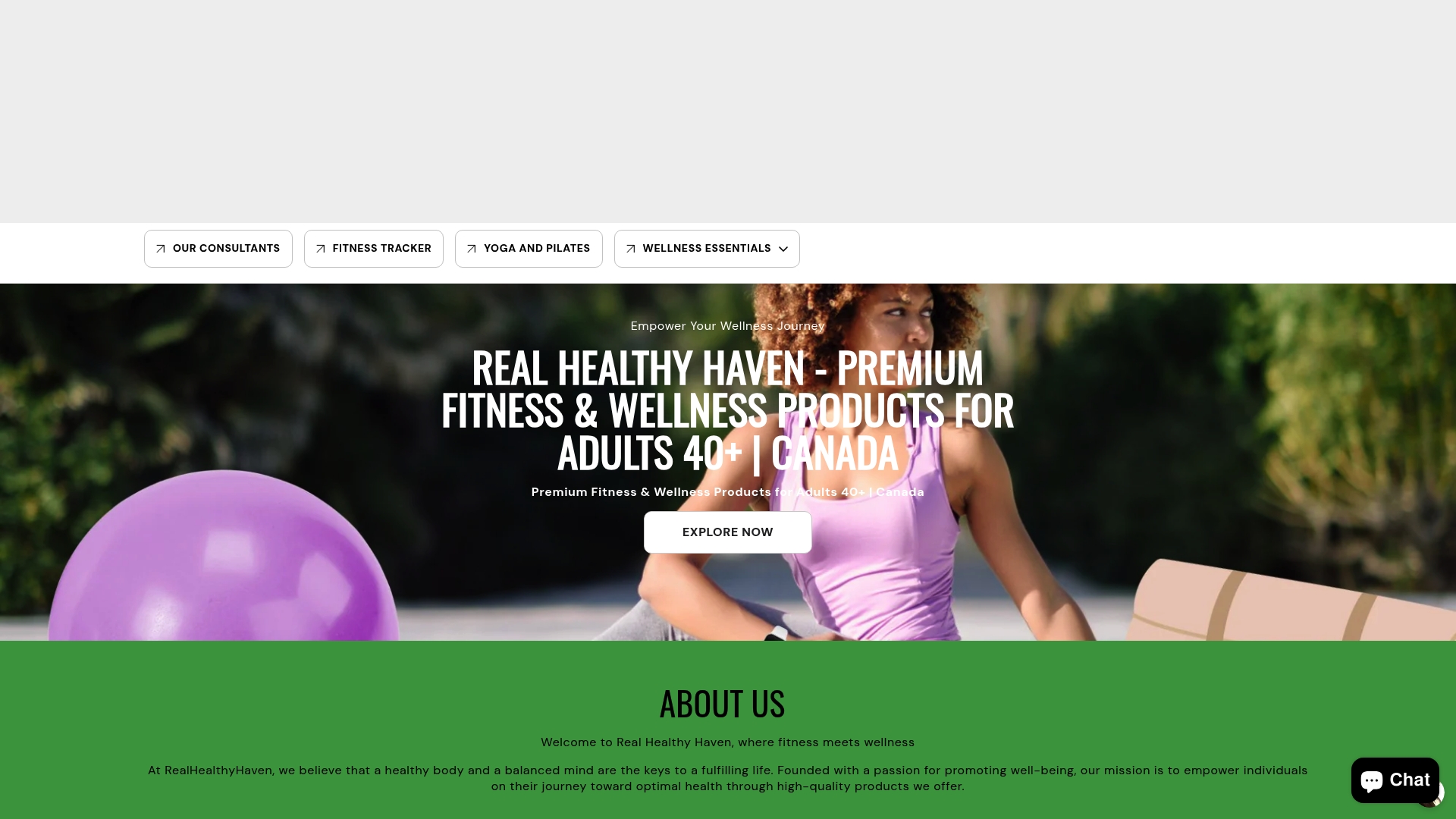
Why wait? Visit Real Healthy Haven now to find curated wellness products that align with your commitment to staying fit and comfortable as you age. Explore bestsellers, discover new tools for your desk workouts, and experience free shipping across Canada. Take the next step toward a healthier, more active lifestyle today.
Frequently Asked Questions
What are some effective desk exercises for maintaining neck and shoulder health after 40?
Gentle neck rotations, shoulder blade squeezes, and seated neck stretches are effective desk exercises that help alleviate tension and improve flexibility in the neck and shoulder areas for individuals over 40.
How can seated torso twists benefit individuals working at a desk?
Seated torso twists enhance spinal flexibility, reduce muscular tension, and improve posture, making them an excellent exercise for those who spend long hours sitting.
What equipment do I need to perform desk push-ups?
No specialized equipment is needed for desk push-ups; all you need is a stable desk that can support your weight. Position your hands shoulder-width apart on the desk edge and engage your core for proper form.
How often should I take movement breaks during my workday?
It’s recommended to take movement breaks every hour, even if just for a few minutes, to improve circulation, enhance metabolic function, and counteract the negative effects of prolonged sitting.
Leave a comment