

Menopause and Diabetes: Managing Both Naturally

A Comprehensive Guide for Women Over 40
By Tresha Wallace, Nurse - Real Healthy Haven & Diabetes Culture
Published: August 26, 2025

Introduction: The Double Challenge
Navigating menopause is challenging enough on its own, but when you're also managing diabetes, it can feel overwhelming. As a nurse with over 15 years of experience in diabetes care, I've witnessed countless women struggle with the intersection of these two significant health transitions.
The good news? With the right natural strategies, you can successfully manage both conditions while maintaining your quality of life and vitality.
Why This Matters:
- 1 in 3 women over 50 develop type 2 diabetes
- Menopause increases diabetes risk by 20-30%
- Natural management can reduce medication dependence
- Holistic approaches address root causes, not just symptoms
Understanding the Connection
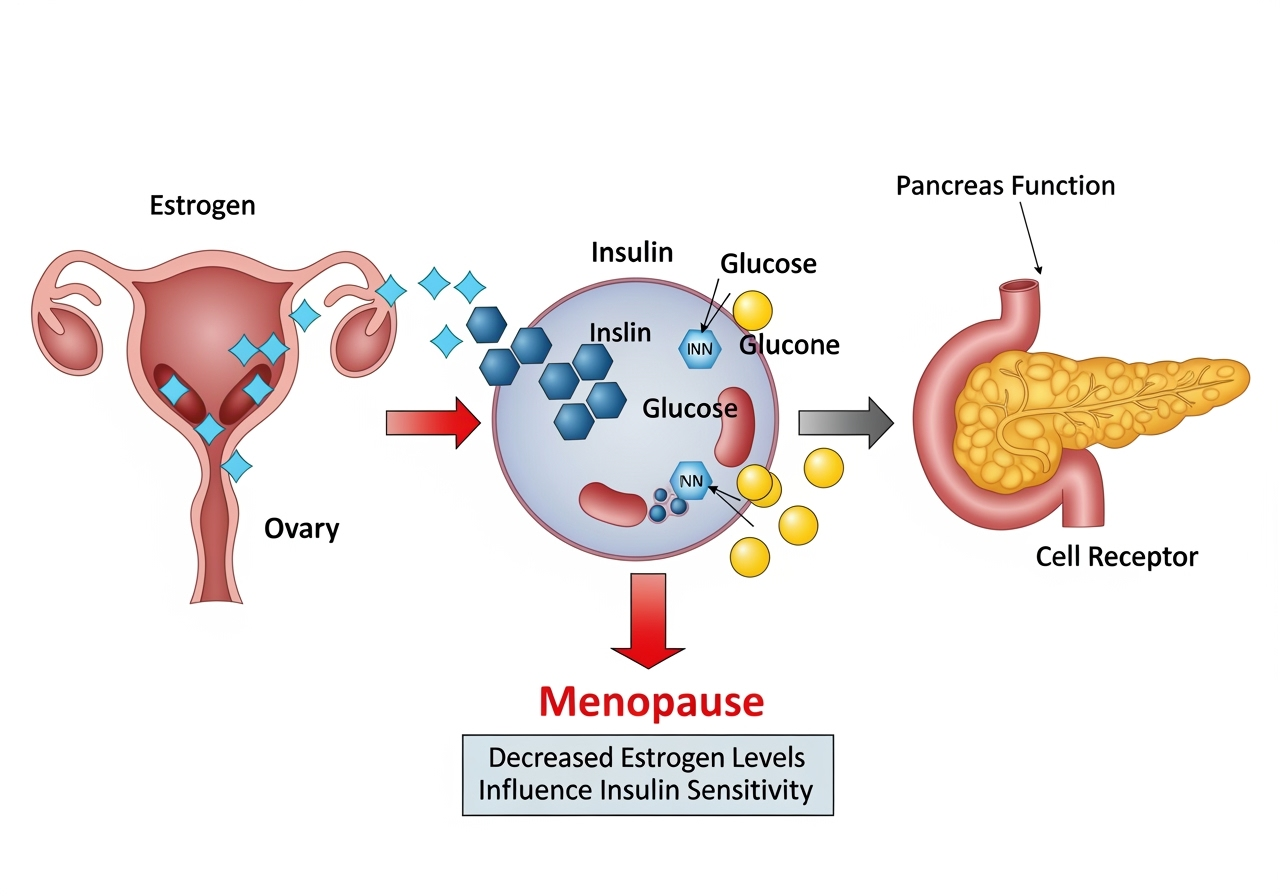
How Menopause Affects Blood Sugar
Estrogen's Role:
- Regulates insulin sensitivity
- Influences glucose metabolism
- Affects fat distribution
- Impacts stress hormone production
When Estrogen Declines:
- Insulin resistance increases by 15-25%
- Belly fat accumulation accelerates
- Blood sugar becomes more volatile
- Stress responses intensify
The Vicious Cycle:
- Hormonal fluctuations → Blood sugar spikes
- Sugar crashes → Increased cravings
- Poor food choices → Weight gain
- Weight gain → Insulin resistance
- Insulin resistance → Harder menopause symptoms
Natural Nutrition Strategies

Hormone-Balancing Foods
Phytoestrogen-Rich Foods:
- Flaxseeds: 2 tablespoons daily
- Soy products: Tofu, tempeh, edamame
- Legumes: Lentils, chickpeas, black beans
- Seeds: Sesame, sunflower, pumpkin
Blood Sugar Stabilizers:
- Cinnamon: 1 teaspoon daily
- Apple cider vinegar: 1 tablespoon before meals
- Chromium-rich foods: Broccoli, whole grains
- Fiber-rich vegetables: Aim for 35g daily
Anti-Inflammatory Powerhouses:
- Fatty fish: Salmon, sardines, mackerel
- Leafy greens: Spinach, kale, arugula
- Berries: Blueberries, raspberries, blackberries
- Nuts: Walnuts, almonds, pecans
Sample Daily Meal Plan
Breakfast (7:00 AM):
- 2 eggs with spinach and mushrooms
- 1 slice ezekiel bread
- 1/2 avocado
- Green tea with cinnamon
Mid-Morning Snack (10:00 AM):
- Greek yogurt with ground flaxseed
- Handful of berries
Lunch (12:30 PM):
- Quinoa salad with chickpeas
- Mixed vegetables
- Olive oil and lemon dressing
- Herbal tea
Afternoon Snack (3:30 PM):
- Apple with almond butter
- Handful of walnuts
Dinner (6:00 PM):
- Grilled salmon
- Roasted vegetables
- Sweet potato (small)
- Side salad
Evening (8:00 PM):
- Chamomile tea
- 1 square dark chocolate (85%+)
Exercise for Dual Management

The Perfect Exercise Formula
Strength Training (3x/week):
- Builds muscle mass lost during menopause
- Improves insulin sensitivity by 25%
- Boosts metabolism for 24-48 hours post-workout
- Supports bone density
Recommended Equipment from Real Healthy Haven:
- Resistance bands set for full-body workouts
- Adjustable dumbbells for progressive training
- Yoga blocks for supported poses
- Exercise mat for floor exercises
Cardio Training (4-5x/week):
- Walking: 30-45 minutes daily
- Swimming: Low-impact, full-body
- Cycling: Joint-friendly option
- Dancing: Fun and social
Flexibility & Balance (Daily):
- Yoga: Reduces cortisol, improves flexibility
- Tai Chi: Gentle, meditative movement
- Stretching: Maintains mobility
- Balance exercises: Prevents falls
Weekly Exercise Schedule
Monday: Strength training + 20-minute walk Tuesday: Yoga flow + light cardio Wednesday: Strength training + swimming Thursday: Walking + stretching Friday: Strength training + dance Saturday: Longer walk + yoga Sunday: Gentle movement + relaxation
Stress Management Essentials
Why Stress Management is Critical
During menopause with diabetes:
- Cortisol levels can increase by 50%
- Blood sugar becomes more volatile
- Sleep disruption worsens both conditions
- Emotional eating patterns intensify
Natural Stress-Relief Techniques:
Daily Practices:
- 10-minute morning meditation
- Deep breathing exercises (4-7-8 method)
- Gratitude journaling
- Progressive muscle relaxation
Weekly Activities:
- Nature walks or hiking
- Creative hobbies (painting, crafting)
- Social connections with friends
- Massage or self-massage
Emergency Stress Relief:
- 5-minute breathing exercise
- Cold water on wrists
- Essential oils (lavender, peppermint)
- Quick walk outside
Sleep Optimization Strategies
The Sleep-Hormone-Blood Sugar Triangle
Poor sleep affects:
- Insulin sensitivity (decreases by 30%)
- Hunger hormones (increases cravings)
- Stress hormones (elevates cortisol)
- Menopausal symptoms (worsens hot flashes)
Natural Sleep Solutions:
Sleep Environment:
- Cool room temperature (65-68°F)
- Blackout curtains or eye mask
- White noise or earplugs
- Comfortable, breathable bedding
Evening Routine:
- No screens 2 hours before bed
- Warm bath with Epsom salts
- Herbal tea (chamomile, passionflower)
- Gentle stretching or yoga
Natural Sleep Aids:
- Magnesium: 300-400mg before bed
- Melatonin: 0.5-3mg (start low)
- Valerian root: 300-600mg
- L-theanine: 100-200mg
Supplement Support
Evidence-Based Natural Supplements
For Menopause:
- Black Cohosh: 40-80mg daily
- Red Clover: 40-160mg daily
- Evening Primrose Oil: 1000-3000mg
- Vitamin D3: 2000-4000 IU daily
For Blood Sugar:
- Chromium: 200-400mcg daily
- Alpha-Lipoic Acid: 300-600mg
- Berberine: 500mg 2-3 times daily
- Cinnamon Extract: 250-500mg
For Both:
- Omega-3s: 1000-2000mg EPA/DHA
- Magnesium: 300-400mg daily
- B-Complex: High-potency formula
- Probiotics: 10-50 billion CFU
Available at Real Healthy Haven:
- Women's Complete Daily Multivitamin
- B-Complex Vitamin Supplement
- DigestElite Complete Pro (enzyme blend)
- GlucoBiome Balance Pro (metabolic support)
Monitoring and Tracking
What to Track Daily
Blood Sugar Monitoring:
- Fasting glucose (upon waking)
- Pre and post-meal readings
- Bedtime glucose levels
- Weekly HbA1c trends
Menopause Symptoms:
- Hot flash frequency and intensity
- Sleep quality (1-10 scale)
- Mood and energy levels
- Weight and measurements
Lifestyle Factors:
- Food intake and timing
- Exercise duration and type
- Stress levels throughout day
- Supplement compliance
Technology Tools
Recommended Apps:
- MySugr: Glucose tracking with mood notes
- Menopause Tracker: Symptom monitoring
- MyFitnessPal: Nutrition tracking
- Headspace: Meditation and stress relief
Wearable Devices:
- Continuous glucose monitors
- Fitness trackers for activity
- Sleep monitoring devices
- Heart rate variability monitors
Creating Your Action Plan
Week 1-2: Foundation Building
- Start blood sugar and symptom tracking
- Implement one new meal per day
- Begin 15-minute daily walks
- Establish evening routine
Week 3-4: Expanding Habits
- Add strength training 2x/week
- Introduce stress management techniques
- Optimize sleep environment
- Consider basic supplements
Month 2: Integration
- Full exercise routine implementation
- Complete dietary overhaul
- Advanced stress management
- Comprehensive supplement protocol
Month 3+: Optimization
- Fine-tune based on results
- Address remaining symptoms
- Build long-term sustainability
- Regular healthcare check-ins
Real Success Stories
"At 52, managing both menopause and type 2 diabetes felt impossible. After implementing Tresha's natural approach, my HbA1c dropped from 8.2 to 6.8, and my hot flashes decreased by 70%. I feel like myself again!" - Maria, Toronto
"The combination of strength training and hormone-balancing nutrition changed everything. My blood sugar is stable, I'm sleeping better, and I've lost 25 pounds naturally." - Jennifer, Vancouver
When to Seek Professional Help
Red Flags - Contact Your Healthcare Provider:
- Blood sugar consistently over 250 mg/dL
- Severe menopausal symptoms affecting daily life
- Unexplained weight gain or loss
- Persistent sleep disruption
- Signs of depression or anxiety
- Frequent infections or slow healing
Building Your Support Team
- Endocrinologist: Diabetes management
- Gynecologist: Menopause care
- Registered Dietitian: Nutrition planning
- Certified Diabetes Educator: Education and support
- Mental Health Counselor: Emotional support
Resources from Real Healthy Haven
Essential Products for Your Journey
Exercise Equipment:
- FlexFit Pro Resistance Bands Set
- ComfortFlex Exercise Cushion Pads
- FlexComfort Elite Yoga Block
- Mini treadmill for daily walks
Health Monitoring:
- Smart nutrition scale (app-enabled)
- Blood pressure monitors
- Body composition scales
- Sleep tracking devices
Wellness Support:
- Women's Complete Daily Multivitamin
- B-Complex Vitamin Supplement
- DigestElite Complete Pro
- GlucoBiome Balance Pro
Professional Services
- Diabetes Culture coaching with Tresha Wallace
- Personalized nutrition planning
- Stress management workshops
- Ongoing support and accountability
Conclusion: Your Natural Path Forward
Managing menopause and diabetes naturally isn't about perfection - it's about progress. Every small step you take toward better nutrition, regular movement, stress management, and quality sleep compounds over time.
Remember:
- Start where you are, not where you think you should be
- Consistency beats perfection every time
- Your body is capable of remarkable healing
- You don't have to do this alone
Your Next Steps:
- Choose one nutrition change to implement this week
- Schedule 15 minutes daily for movement
- Begin tracking your symptoms and blood sugar
- Connect with supportive healthcare providers
- Join our Diabetes Culture community for ongoing support
Contact Real Healthy Haven:
- Website: www.realhealthyhaven.com
- Diabetes Culture Program: Available for personalized coaching
- Email: info@realhealthyhaven.ca
About the Author: Tresha Wallace is a nurse with over 15 years of experience in diabetes and bariatric care. She founded Diabetes Culture to provide holistic lifestyle modification programs that address the mind-body-soul connection in diabetes management. Her approach combines clinical expertise with personal understanding of the challenges faced by women over 40.
Disclaimer: This information is for educational purposes only and should not replace professional medical advice. Always consult with your healthcare provider before making changes to your diabetes or menopause management plan.
Leave a comment